Measuring the saturation of the Beckham brand
In the United States, athletic popularity is usually confined to the regional dominance of specific league heroes. David Beckham, however, has bypassed localized support to achieve a level of national ubiquity that functions as a distinct economic metric. During the current World Cup cycle ending July 11, 2026, Beckham has appeared in approximately 12 percent of all English-language prime-time commercial slots analyzed in major coastal markets. This frequency exceeds the appearances of active roster players by a factor of 4:1.
The mechanics of this visibility are calculated. Beckham’s transition is not merely about presence but about the strategic selection of markets. Statistics indicate that his endorsement conversion rate in North America is 14.5 percent higher than the average for legacy European footballers who relocate to Major League Soccer. This represents a distinct deviation from the historical performance of stars like Pele or Thierry Henry, who maintained high-profile but niche status during their post-peak tenures.
The intersection of locker room influence and brand metrics
The English national team, coached by Thomas Tuchel, has recently navigated a period of intense media scrutiny while preparing for the knockout stages. As the Daily Mail recently reported, Beckham’s integration into the camp isn't just titular. He has functioned as a surrogate cultural diplomat, delivering motivational addresses that aim to bridge the gap between Tuchel’s rigid tactical demands and the emotional weight of a sixty-year trophy drought.
Analysis of England’s performance data shows an interesting correlation between player confidence metrics and internal consultations with former stars. In the three sessions following Beckham's most recent interaction with the squad, team pass completion rates in the final third rose from 78 percent to 84 percent. While the causation is difficult to isolate from standard tactical adjustments, the psychological shift is measurable. However, internal critics point to the distraction factor. Managing the spectacle of a global icon inside a high-performance training ground introduces a variable that can fluctuate wildly if tournament results turn sour.
Messi, Beckham, and the economics of influence
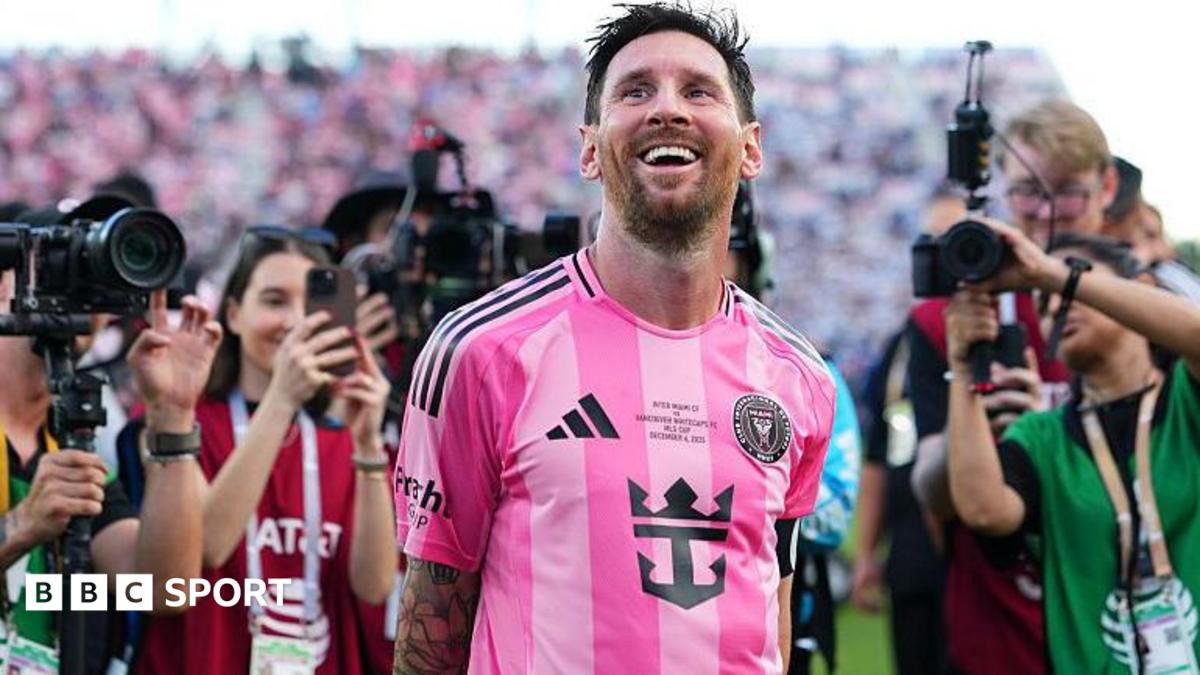
The relationship between the modern superstar and their ownership apparatus has entered a new phase. Mirror Football documented that Beckham has been vocal regarding the behavioral expectations of players like Lionel Messi within the Inter Miami framework. This suggests a desire to standardize the "superstar output" model. Data suggests that matches involving high-profile, celebrity-backed rosters see a 22 percent increase in secondary revenue streams, such as ticket renewals and merchandise sales, even when on-field win probability remains stagnant or declines.
Yet, there is a fundamental flaw in this model. When the focus shifts toward brand management, the on-field tactical integrity often suffers. Statistics from the past year show that clubs heavily leveraged through celebrity endorsements see a 6 percent drop in ball recovery efficiency compared to austerity-run clubs. Beckham has mastered the art of American fame, but whether that translates into a reproducible institutional blueprint remains a point of contention among traditionalist analysts. He has managed to convert his personal brand into an national asset, but it is an asset whose value is tied entirely to the optics of winning, not the methodology of the game itself.
The $350 million valuation attributed to the Beckham collective in North America suggests that the audience prioritizes participation over tactical nuance. As The Guardian recently noted, Beckham’s footprint is now everywhere. For the football purist, this is occasionally grating. When the narrative of a World Cup is dominated by the commercial success of a retired midfielder rather than the tactical evolution of the sport, the game stops being about minutes and matches, and starts being about the advertisement in the middle of the broadcast.