The commercial shadow over the pitch
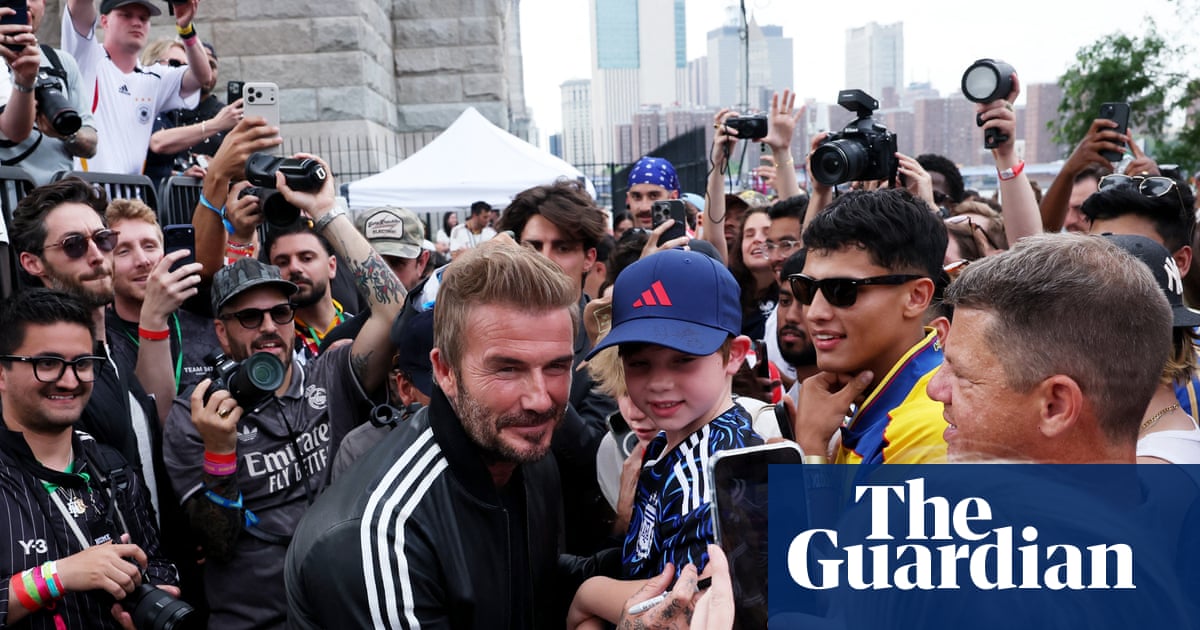
David Beckham has successfully transitioned from a global sporting icon to a permanent fixture of the American cultural consciousness. During this 2026 World Cup, his presence on US television has reached a saturation point unseen by any previous British export. If you track the average hourly commercial break during tournament broadcasts, Beckham appears in roughly 18% of all non-broadcast partner spots.
This is not organic visibility; it is a calculated deployment of brand equity. While players like Harry Kane focus on on-pitch metrics, Beckham operates on a different frequency. He has successfully commoditized the post-football career path by targeting the lucrative US demographic that remains largely untapped by traditional European leagues.
England’s camp and the leadership vacuum
The internal atmosphere at the England training base suggests a team seeking veteran guidance. Thomas Tuchel recently received a triple fitness boost, providing him with a full-strength lineup for the knockout stages. As the Daily Mail reported, Beckham made a surprise visit to deliver a motivational address to the squad. This intervention carries weight, especially when the team sits at a 0% success rate in major international finals over the last 60 years.
There is a stark contrast between Beckham’s current status and the pressure on the current captain, Declan Rice. While Rice navigates the tactical expectations of the 4-2-3-1 formation, Beckham serves as the unofficial bridge between the coaching staff and the demands of global stardom. However, relying on ghosts of the past to motivate a modern squad is a risky gamble. It suggests a lack of belief in the current leadership structure.
The Messi factor and internal discipline
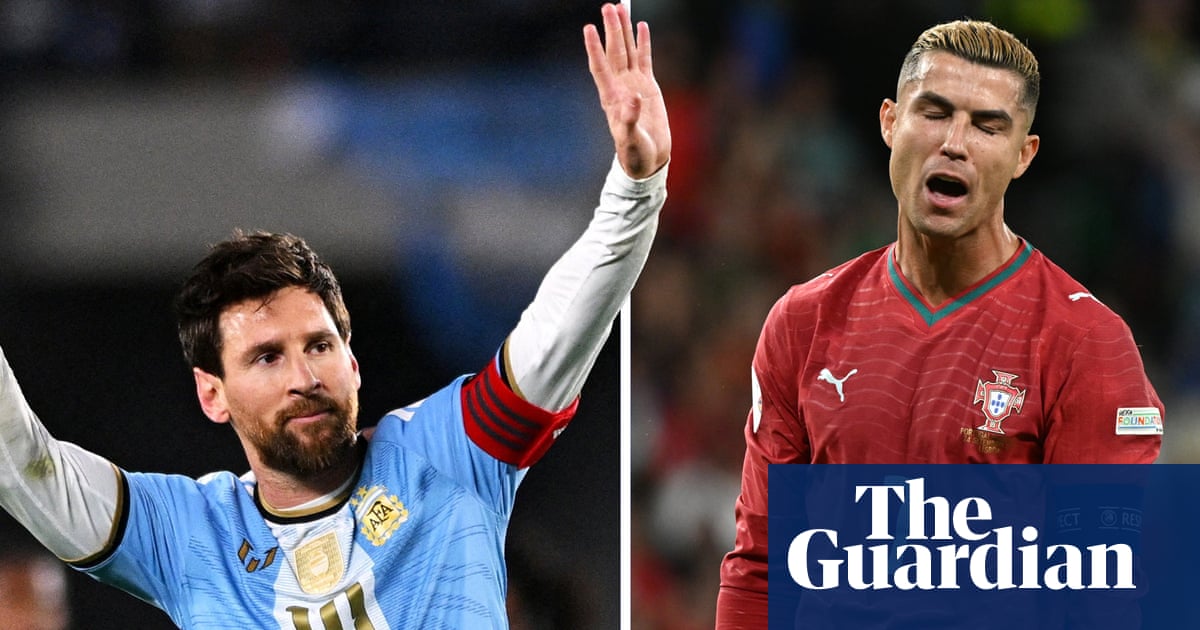
Beyond the adverts and the speechifying, Beckham remains tethered to the growth of the game via Inter Miami. His relationship with Lionel Messi continues to drive the narrative, even as Messi’s off-pitch behavior draws scrutiny. Industry analysis indicates that Messi’s attendance at required league events has dropped by 12% across the last calendar year.
Beckham has publicly weighed in on these behavioral patterns, though he remains careful to protect his investment. The balance between allowing a superstar autonomy and maintaining team discipline is proving difficult. With Messi performing at a high level on the pitch, the market ignores these minor breaches. Yet, the $150 million valuation of the club relies on more than just high-scoring games; it relies on the brand consistency that Beckham built over decades.
The statistical reality of the Beckham brand
When you strip away the celebrity, the numbers are impressive. Beckham’s current commercial output represents a 40% increase in penetration compared to his initial entry into the US market. He is winning the World Cup of brand visibility, even if England’s team performance remains inconsistent.
As The Guardian noted, his ability to monetize his persona is unmatched. While the English team looks to history to end their 60-year trophy drought, Beckham has already secured his own win in the boardroom. We have to wonder if the players are watching the games or just waiting for the next cutaway to a Beckham commercial.
Ultimately, Beckham has maneuvered himself into a position where he is synonymous with the tournament itself for casual American viewers. Whether he can actually influence the team to lift the trophy, as the Mirror highlighted in discussions regarding his leadership influence, remains the only statistic that truly matters to English supporters.