The reality of the Glasgow market
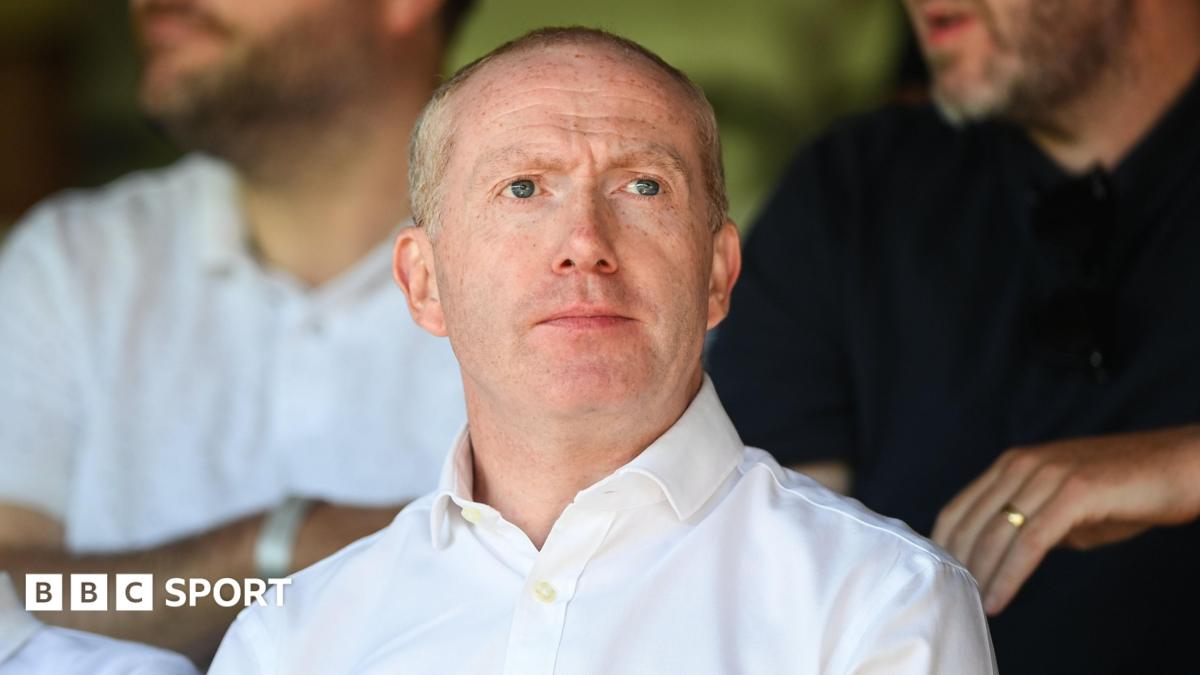
Celtic chief executive Michael Nicholson has gone on the record regarding the club’s current transfer inactivity. Speaking to the media, he highlighted that the current market landscape is proving difficult due to the financial muscle of English Championship clubs. This is not a matter of missing targets but a direct result of being priced out by teams operating outside the Premier League.
As reported by the BBC, Nicholson identified specific friction points in dealing with agents and navigating current valuations. For a club that prides itself on being a stepping stone for young talent, the gap between their wage structure and the mid-table aspirations of clubs in the English second tier is widening. This reality check forces a pivot in scouting strategy.
The financial chasm
Celtic sits in a strange position. Their historical prestige is immense, but their revenue is inevitably capped by the domestic television deal in the SPFL. When a Championship side can offer a higher starting salary than the Scottish champions, the logic of the market shifts away from Glasgow. Nicholson admits that agency demands have also made standard deals reach a 12 percent premium compared to previous windows.
The club has consistently looked for value-for-money signings, yet the average price for a reliable starter has climbed above the threshold that fits their budget. Fans are growing frustrated with the lack of progress, yet the front office is signaling that fiscal discipline is the priority. This creates a disconnect between the ambitions of the support and the hard numbers in the ledger.
Tactical gaps and squad issues
The current squad requires reinforcement in the final third if they want to manage Champions League group stage pressure. Currently, the team lacks a versatile attacker capable of playing both centrally and wide. Missing out on primary midfield targets last month has left the squad light on rotation. Relying on players aged over 30 to play twice a week will burn them out by October.
It is a concerning trend that Celtic is no longer the automatic destination for prospects looking to build a career. If the club cannot guarantee elite-level wages or a platform that clearly leads to the Premier League, they face a stagnant summer. The failure to secure a high-intensity presser in the engine room is the most glaring tactical omission that remains unaddressed.
Source credibility and probability
The source of this information is Michael Nicholson himself, providing a Tier 1 clarity on the internal boardroom frustrations. This is not a speculative report from a third-party agent looking to drum up business; it is the official stance of the executive team. The transparency is refreshing, though it does little to soothe the anxiety of the fanbase approaching the deadline.
Probability of significant, splashy incomings before the window closes is currently assessed as low. Unless a loan-to-buy scenario materializes for an out-of-favor talent from a top-six club, Celtic looks set to rely on the current roster. The expectation is that the remainder of the summer will be spent cleaning up administrative hurdles rather than signing headline talent.
Projected impact
If the roster remains static, the impact will be visible in the Champions League group stage. Domestic dominance might remain intact, but the margin for error in tight fixtures will shrink. Without adding depth in the middle of the pitch, the team remains susceptible to injuries that could derail their entire European campaign. The reliance on internal development as the primary strategy is a gamble that carries heavy risk for the board.
Should Nicholson’s assessment hold, critics will point to this inactivity as a failure to capitalize on market opportunities. In a league where the competition is constantly fighting for parity, standing still is effectively moving backward. The internal pressure on the recruitment department to find hidden value has never been higher given these economic limitations.
Read Next
- Jarrod Bowen staying at West Ham is a move straight out of the 90s
- Arsenal chasing Morgan Rogers makes perfect statistical sense
- Arsenal's transfer patience is becoming a major risk factor
- Arsenal's transfer patience faces a reality check in a chaotic market
- ⚽ Scottish Premiership 2025-26 — Celtic vs Rangers Hub