The Thursday Night Circus Beats Champions League Boredom
If you spent Tuesday night watching another multi-billion-dollar Champions League titan lazily pass the ball sideways for ninety minutes, I have great news for you. Real football is alive, kicking, and screaming on Thursday nights. The Europa League league-phase kickoff is upon us, and it is a glorious, unhinged fever dream. While the top tier of European football has morphed into a sanitized corporate convention for state-owned mega-clubs, the Europa League has quietly inherited all the soul, friction, and genuine unpredictability of the sport.
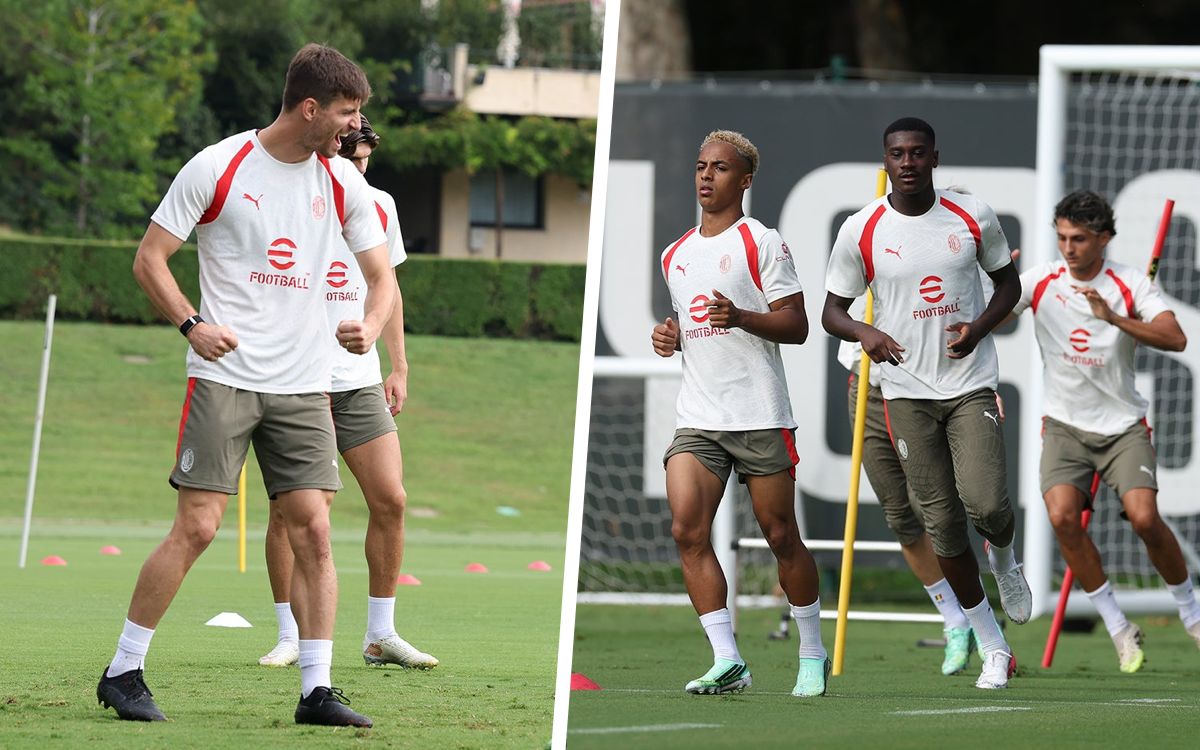
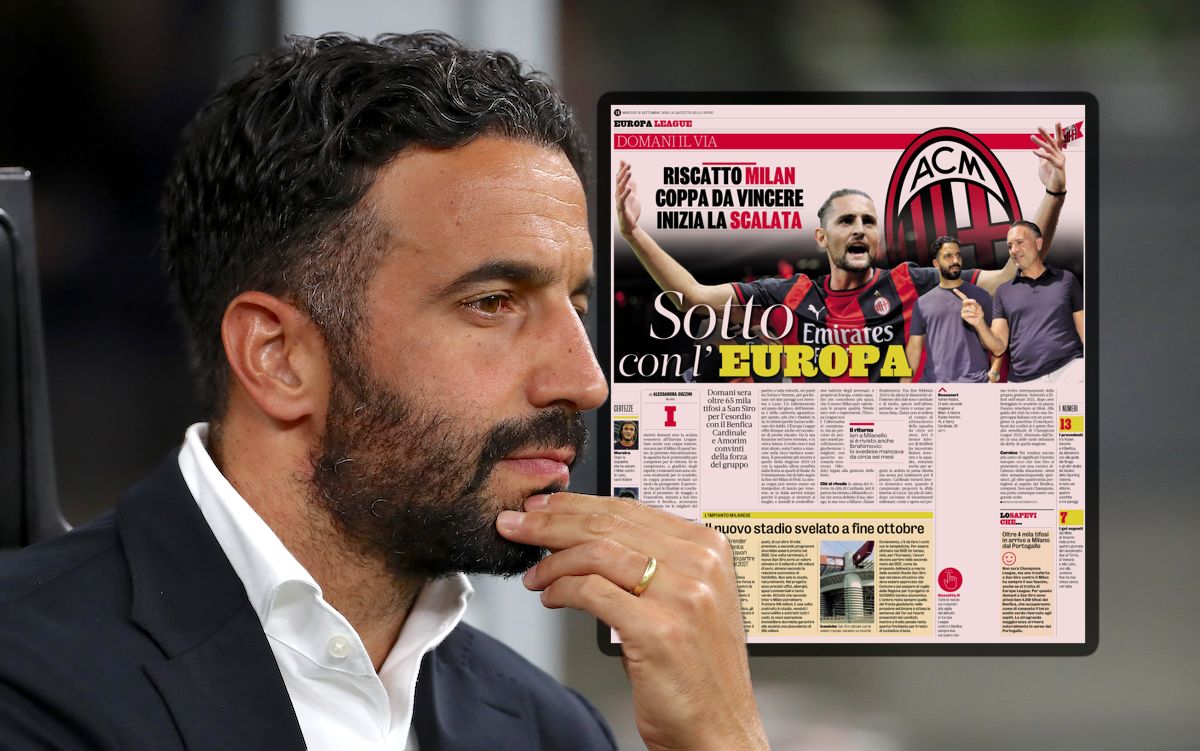
Look at the menu tonight. We have Bournemouth preparing to host AC Milan at Dean Court. We have Crystal Palace rolling into Europe as reigning Conference League champions, ready to pick fights with continent heavyweights. And we have Celtic, once again picking themselves up off the floor after a Champions League qualifier heartbreak, throwing themselves back into the fire against Marseille and Benfica.
This isn't just a list of fixtures; it is an absolute circus of styles and storylines. The revamped 36-team single-table league format meant UEFA accidentally built a chaos engine. There are no dead rubbers in October. Nobody is fielding their under-18 squad for a casual autumn walk in the park. Every single goal matters, every points tally triggers wild mathematical permutations, and every mid-table domestic hero gets a shot at European royalty.
Remember the wild 1990s UEFA Cup nights? Back when Parma, Leeds, and Celta Vigo would routinely turn European football into an absolute melee? That exact spirit is back, and it is glorious.
The financial gap between elite European clubs used to make these matchups feel predetermined. But tactical innovation from managers like Andoni Iraola and Oliver Glasner has closed that distance. You cannot simply throw eighty million Euros at a midfield and expect to glide past a team that has drilled high-intensity pressing for three years straight.
Bournemouth’s Seaside Fever Dream: From Mud to Milan
Let’s pause for a second and absorb the reality of Bournemouth in the Europa League. Five years ago, if you told a Bournemouth supporter sitting in the rain at Dean Court that AC Milan would be rocking up for a competitive European fixture in 2026, they would have had you sectioned. Yet here we are. Iraola has turned a seaside club into one of the most terrifying pressing machines in English football, and now Europe has to deal with it.
Vitality Stadium holds just 11,307 supporters. That is not a football arena; that is a snug neighborhood pub with a pitch attached. Imagine the executives of AC Milan stepping off their luxury bus into a stadium where the away dressing room feels smaller than a studio apartment in London. That psychological shock alone is worth at least half a goal.
Iraola does not play timid football. He doesn't sit ten men behind the ball and pray for a scoreless draw. Bournemouth hurls bodies forward like a runaway freight train, trapping opponents in their own half and forcing chaotic turnovers. When they click, it is poetry in motion.
However, here is the cold, hard truth: Iraola's hyper-aggressive style is a massive gamble against European elite. If you leave fifty yards of open grass behind your defensive line against a club like Real Sociedad or AC Milan, they will punish you with brutal precision. Bournemouth's high line could easily turn their fairytale debut into a horror show if they don't learn when to slow down the tempo. One mis-timed press against top-tier European passers, and you're picking the ball out of your net before your home crowd has even finished their pint.
Glasner’s Crystal Palace Machine Is Built for European Knockouts
If Bournemouth represents raw excitement, Crystal Palace represents cold, calculated European utility. Oliver Glasner taking Palace from mid-table Premier League stability to European trophy winners in the Conference League last spring was one of the finest coaching performances of the decade. They didn't just win; they bullied their way through the tournament with a suffocating 3-4-2-1 structure that wrecked every opponent in transition.
Now, Palace steps up to the Europa League, facing heavyweights like Lyon, Besiktas, and Sparta Prague. As Sky Sports reported, Palace's tactical consistency has turned them into one of the most dangerous knockout sides on the continent. Glasner's system takes away space, suffocates passing lanes, and explodes forward the instant the ball is won.
When Jean-Philippe Mateta is running channels and Eberechi Eze is carving up defenses in the half-spaces, Palace can beat virtually anyone on their day. They aren't awed by European names because Selhurst Park under lights is a terrifying place for visiting teams. It is loud, hostile, and completely unpretentious.
Look at the way Glasner dismantled domestic opposition down the stretch last season. He turned players who were considered solid mid-table squad options into tactical weapons. In European knockout football, where teams only get ninety minutes to figure out your shape, that tactical surprise factor is deadly.
But let's not pretend Palace doesn't have a giant dark cloud hanging over their head: squad depth. Playing grueling Thursday night fixtures in Istanbul or Prague and then turning around for a Sunday afternoon Premier League battle in Newcastle is a brutal physical toll. Palace’s starting eleven is lethal, but their bench is razor-thin. If injuries hit their key starters in October, Glasner’s machine could grind to a halt very quickly.
Celtic and the Eternal European Dilemma
Then we arrive at Celtic. Ah, Celtic in Europe—the ultimate football psychological thriller. Dropping out of the Champions League qualifiers into the Europa League has become an annual ritual in Glasgow. Domestically, Brendan Rodgers guides this team like an unstoppable juggernaut, regularly boasting over 70 percent possession and sweeping domestic silverware with ease.
Yet the moment Celtic steps onto the continental stage, reality hits like a bucket of ice water. Celtic Park on a Thursday night remains one of the greatest atmospheric experiences in world sport. When sixty thousand supporters roar under the stadium lights, even the most seasoned European veterans look rattled.
The problem has never been the noise; it has been the defending. For over a decade, Celtic's away record in European competition has been downright embarrassing. As The Guardian noted, Scottish clubs have repeatedly suffered from defensive lapses when stepping up to European competition. They dominate Scottish football by taking risks, but when they attempt that same expansive passing against Marseille or Benfica, they get carved open like a Sunday roast.
Rodgers needs to show tactical flexibility. If Celtic continues to play with suicidal naivety away from home, their Europa League campaign will end in another round of finger-pointing and post-match apologies. They have the attacking talent to hurt teams, but until they respect the defensive phase of European football, they are doomed to repeat history.
Thursday Nights Are Where Football's Heart Beats
This is why the Europa League is superior entertainment right now. It isn't a pre-packaged television product manufactured for casual global consumption. It is raw, volatile, and deeply emotional football.
Whether it’s Bournemouth testing their high press against Italian royalty, Palace taking their cup-fighting identity to Lyon, or Celtic fighting their own European demons, every match promises genuine high-stakes drama.
So keep your predictable Champions League group matches with their pre-ordained outcomes. Give me the noise of Selhurst Park, the intimate madness of Vitality Stadium, and the fiery cauldron of Celtic Park on a cold Thursday night every single week.
Read Next