
The strategic silence at London Colney
Arsenal are operating with a level of restraint that borders on the ascetic this summer. While rivals scramble for quick fixes, the technical staff led by Andrea Berta has maintained a low profile. The Daily Mail recently revealed that this is a deliberate, patient choice rather than a lack of capital. Mikel Arteta is navigating the unpredictable demands of a post-World Cup calendar, prioritizing match fitness over early-window panic.
The club is currently hunting for defensive depth, a need intensified by William Saliba's recent setback. Berta is operating like a machine, scouring secondary markets for value where others see desperation. It is a high-stakes bet on the health of the core squad. If a starting-level center back is not secured by late August, the decision to wait will draw aggressive scrutiny from the fanbase.
The widening gap in the Scottish market
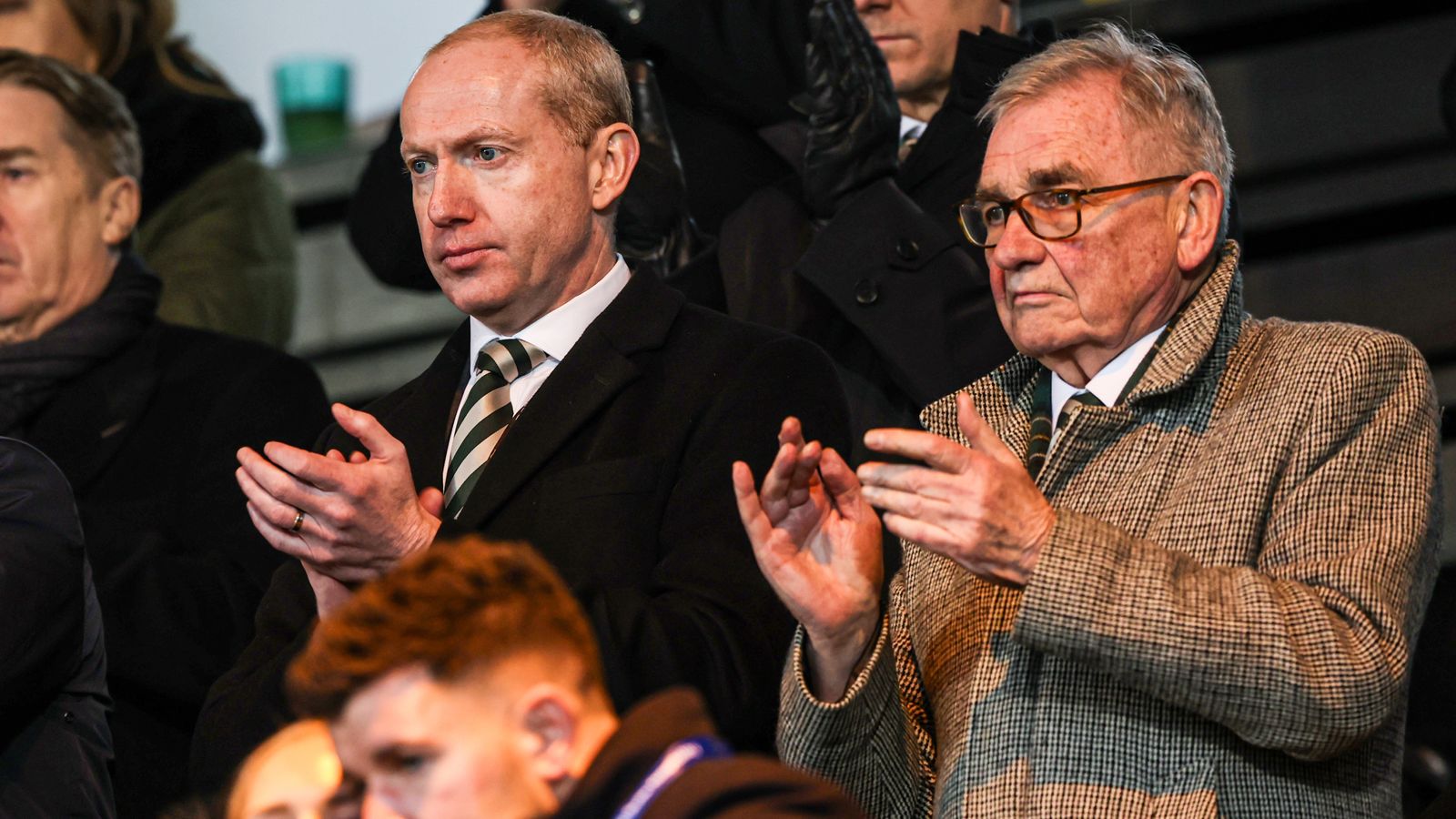
Contrast this calculated patience with the alarm sounding at Parkhead. Celtic are finding the current market environment hostile to their traditional recruitment model. Chief executive Michael Nicholson went on the record regarding the difficulty of the situation, noting that the club is actively losing ground to English Championship sides.
As the BBC reported, the Scottish champions are battling against inflated agent fees that simply do not align with their internal wage structures. It is a bleak portrait of the financial disparity in modern football. When a perennial title winner cannot compete with the second tier of the Premier League, it reveals a structural imbalance that no amount of scouting can overcome.
The bottleneck of modern recruitment
Agent influence is the common thread tying these two disparate situations together. While Arsenal has the budget to overcome some of these hurdles, Celtic is finding their reach severely limited. The Sky Sports summary of internal meeting notes paints a picture of a board struggling to maintain competitiveness without compromising financial stability. It is a delicate act that risks upsetting the sporting trajectory built over the last two seasons.
Arsenal, meanwhile, must avoid the pitfall of waiting too long for the perfect profile. History shows that waiting for the right bargain often leads to signing the wrong player in the final hours of the window. Relying on squad depth during a fixture-heavy season is a dangerous game when key pillars like Saliba are sidelined. They need a proven presence who can integrate without a long settling-in process.
Evaluating the risks
The biggest critique of this summer window is the lack of urgency shown by clubs sitting on their hands. Arsenal is banking on a late-window correction where prices fall, but there is no guarantee supply will meet their specific tactical demands. For Celtic, the critique is sharper: they are losing leverage. Struggling to compete with the English Championship is a significant decline in status that demands a fresh approach to squad building.
The probability of Arsenal securing a high-impact defender by the deadline is 65%. They have the resources and the necessity, but they are clearly picky. Celtic’s probability of making a marquee signing that satisfies supporters is significantly lower, likely hovering around 35%. Both clubs are holding their breath as the August deadline approaches, waiting for the market to move in their direction.
If Arsenal successfully lands their target, look for them to solidify their title charge despite the slow start. The tactical impact of adding a versatile defender could be the difference in tight away fixtures where defensive stability is worth more than attacking rotation. For the Scottish Premiership, stagnation in the transfer market could open the door for challengers to disrupt the order at the top. The next four weeks will set the tone for the entire campaign.
Read Next
- Arsenal fans are losing their minds over the Christos Tzolis signing
- Arsenal's transfer patience is becoming a major risk factor
- Newcastle's goalkeeper hunt exposes a transfer market disconnect
- Andoni Iraola is betting the house on Liverpool stability
- ⭐ UCL 2026 — Champions League Quarter-Finals Hub



