Pull Up a Stool and Let's Talk AFCON
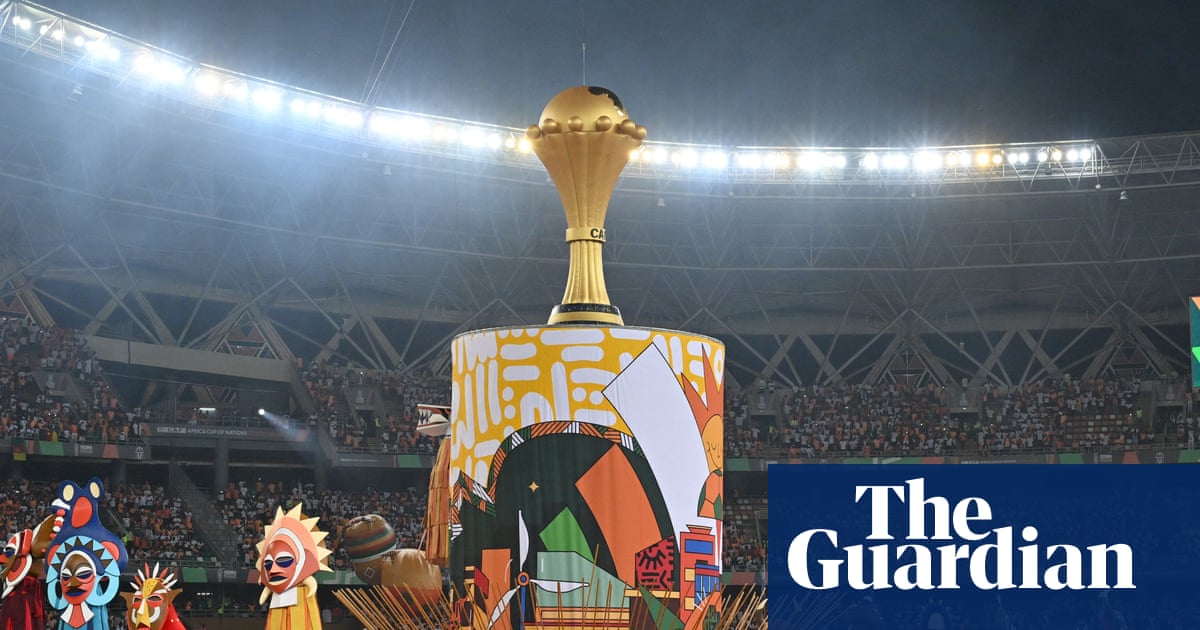
Grab a pint of whatever is cold, pull up a stool, and let’s talk about the absolute circus that almost went down in African football. The suits at the Confederation of African Football actually looked a terrible idea in the face and said no. According to reports from The Guardian, the CAF executive committee has officially rejected a plan to expand the Africa Cup of Nations from 24 to 28 teams.
You read that right. Twenty-eight teams is more than half of the fifty-four member nations in the entire confederation. It was a proposal pushed by CAF President Patrice Motsepe, who apparently looked at the current international calendar and decided that what it really needed was more bloat.
Thankfully, the executive committee was not having any of it. One member went on the record and called the expansion a disaster. They did not sugarcoat it either.
"very bad idea"
That is the understatement of the decade. Expanding a tournament that is already bursting at the seams is pure madness. Let's look at the math and the schedule to understand why this was a disaster waiting to happen.
The Math of Bracket Madness
Let's do some quick bar math. When CAF expanded the tournament to 24 teams in Egypt back in 2019, it already felt like a massive stretch. The jump from sixteen to twenty-four changed the entire dynamic of the competition, meaning third-place teams backed their way into the knockout rounds.
It killed the jeopardy of the group stage. If you push that number to twenty-eight, the tournament format becomes an absolute Rubik's cube of mediocrity. How do you even run a bracket with twenty-eight teams?
You either end up with bizarre group sizes or a ridiculous number of third-place qualifiers. It makes the opening two weeks of the tournament completely meaningless. You would have teams winning one match and easily gliding into the round of sixteen.
Nobody wants to watch teams play for defensive draws. We saw this exact problem play out in the European Championship. The Euros expanded to twenty-four and the group stages immediately lost their teeth.
Teams realized they only needed three points and a decent goal difference to survive. It led to negative, safety-first football that puts viewers to sleep. AFCON has always been beloved for its chaos, its passion, and its high stakes.
Diluting that product is a direct threat to the soul of the tournament. The CAF executive committee saw the warning signs and stopped the bleeding before it started.
The Club vs. Country Civil War
Let's talk about the European club elephant in the room. The relationship between CAF and major European clubs is already a tinderbox. Every two years, managers start sweating bullets when January rolls around.
They lose their star players for up to a month in the middle of a domestic title race. If you add four more teams, you are dragging dozens of extra players out of their club environments. Imagine the fury in the Premier League, La Liga, and Ligue 1.
You would have Ligue 1 clubs losing over 50 percent of their starting squads. It would lead to an all-out civil war between clubs and country federations. We are talking a full-blown Montreal Screwjob level of drama, with club managers ready to spit in the face of national team coaches.
We already see players facing immense pressure to opt out of the tournament. Victor Osimhen, Mohamed Salah, and Achraf Hakimi are constantly caught in the crossfire of this scheduling dispute. Adding more teams would only increase the pressure on younger players to decline call-ups.
It would actively harm the talent pool that actually makes the tournament special. The physical toll on the players is also getting ridiculous. Modern footballers are playing way too many matches. Between domestic leagues, continental club competitions, and FIFA's ever-expanding tournaments, players are running on empty.
Adding more group stage matches or extending the tournament footprint is a recipe for soft-tissue injuries. If CAF wants to make the tournament world-class, they need to protect the players they already have. You cannot put on a show if your headline acts are all in the treatment room.
The rejection of this expansion is a victory for player welfare, even if CAF won't admit it.
The Politics of Patrice Motsepe's Cash Grab
CAF claimed that their aim was to make the tournament "world class." But their logic is completely backwards. They seem to believe that bigger always means better.
They look at FIFA expanding the World Cup to forty-eight teams and think they need to keep up with the Joneses. It is a classic case of administrative keeping-up-with-the-appearances.
Let's be honest about what this proposal was really about. It was about votes and television money. Patrice Motsepe knows that smaller nations want to play in the big dance. By promising them a spot, he secures their political backing within the confederation.
It is standard football politics, but it makes for a terrible sports product. If you want AFCON to be world-class, you do not invite more teams. You improve the pitches. You ensure that VAR works consistently in every stadium.
You make sure the refereeing is top-tier. You make the tournament a spectacle that broadcasters are desperate to pay premium prices for. Bloating the group stage does none of these things.
It just adds administrative overhead and dilutes the television revenue pool. Instead of dividing the money among twenty-four associations, you would have to split it twenty-eight ways. The individual payouts would drop, leaving less money for grassroots development in countries that need it most.
It is a shell game that helps politicians and hurts the sport.
The Real Problems to Fix
Let's look at the actual issues plaguing the tournament that CAF should be focusing on. The scheduling of the tournament remains a total mess. We are constantly shifting between January-February slots and summer slots because of the rainy seasons in West Africa.
This unpredictability makes it incredibly hard for clubs to plan their seasons. Then there is the issue of match organization. We have seen tournaments where teams are forced to train on sub-standard pitches or travel long distances between matches on short rest.
Players are expected to play up to seven matches in a month under intense heat and humidity. These are the logistical issues that CAF needs to solve before they even think about adding more teams to the mix.
Here is what the suits should actually be working on:
- Upgrading the playing surfaces in match venues so the ball actually rolls.
- Fixing the communication setup for VAR so referee decisions do not take six minutes.
- Creating a fixed, dependable window in the international calendar that doesn't change every season.
The quality of play has also suffered from defensive setups in recent editions. When you have more teams, the tactical gap between the elite and the minnows increases. The minnows respond by park-the-bus tactics, aiming for a penalty shootout.
This leads to boring, sterile matches that damage the brand of African football globally. We want to see the best players showcasing their skills on the biggest stage. We want to see Senegal playing Morocco in a high-octane tactical battle.
We do not want to see a top team struggling to break down a five-man defense for ninety minutes in a half-empty stadium. That is not world-class football. That is a chore to watch.
A Victory for the Fans
At the end of the day, the fans are the real winners of this decision. We get to keep a tournament that still feels prestigious. Qualifying for AFCON should mean something.
It should be a badge of honor, not a participation trophy that you get just for showing up. Let's keep the focus on raising the bar, not lowering it. When the news broke today that CAF rejected the 28-team expansion, a lot of fans let out a massive sigh of relief.
Let's celebrate the fact that the executive committee showed some spine. They stood up to their own president and made the right call for the good of the game. It is a rare win for common sense in a sport that is rapidly running out of it.
So, raise your glass to the rejection of the twenty-eight-team AFCON. It was a bad idea that got the quick death it deserved. Now, let's hope CAF can focus on making the next edition the best one yet.