Tuchel's Midfield Dilemma
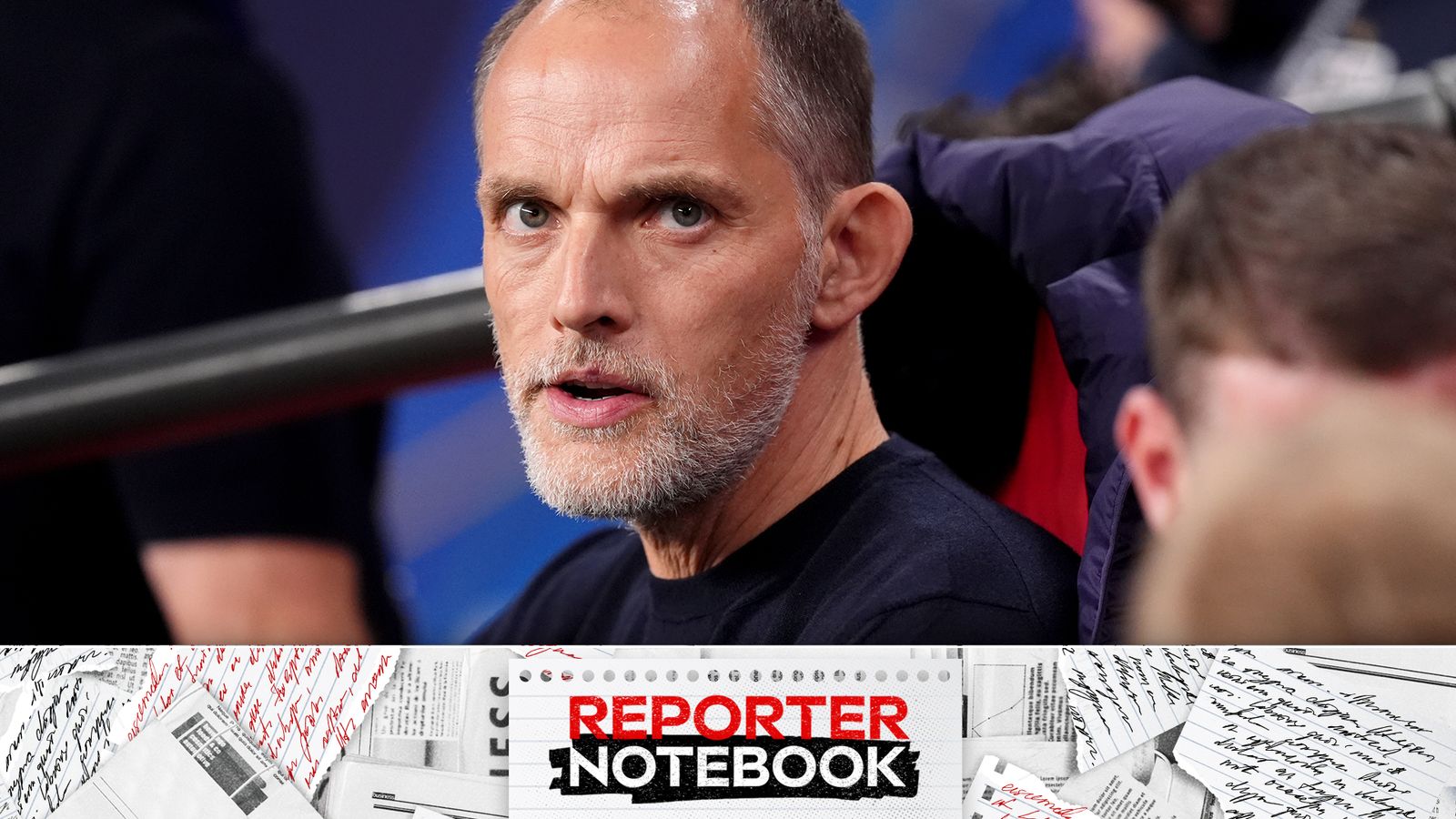
Thomas Tuchel’s tactical blueprint for England is facing its first genuine trial of patience. The Three Lions have rolled through the group stage, but their style remains sluggish, predictable, and risk-averse. On Wednesday, they meet a Democratic Republic of Congo side that is completely comfortable without the ball.
This round-of-32 clash in the 2026 World Cup is a matchup between England's slow possession and the Leopards' low block. Fans expecting a simple walkover do not understand Sebastien Desabre’s defensive structure. The Leopards do not play to entertain; they play to survive and strike.
England’s build-up play under Tuchel has lacked verticality and imagination. Against low blocks, they frequently end up circulating the ball in U-shaped patterns around the opposition's defensive block. The double pivot of Declan Rice and Jude Bellingham has often dropped too deep, occupying the same spaces as the center-backs.
This leaves a massive gap between the midfield and the front line, which makes it easy for opponents to defend. If England cannot find passing lanes between the lines, they will spend the evening passing sideways.
The Desabre Defensive Blueprint
Desabre has managed DR Congo for four years, establishing a remarkable defensive baseline. In that time, the Leopards have never lost a match by more than one goal. Compare that consistency to England’s recent volatility under Tuchel, who suffered a heavy 3-1 loss against Senegal late last year.
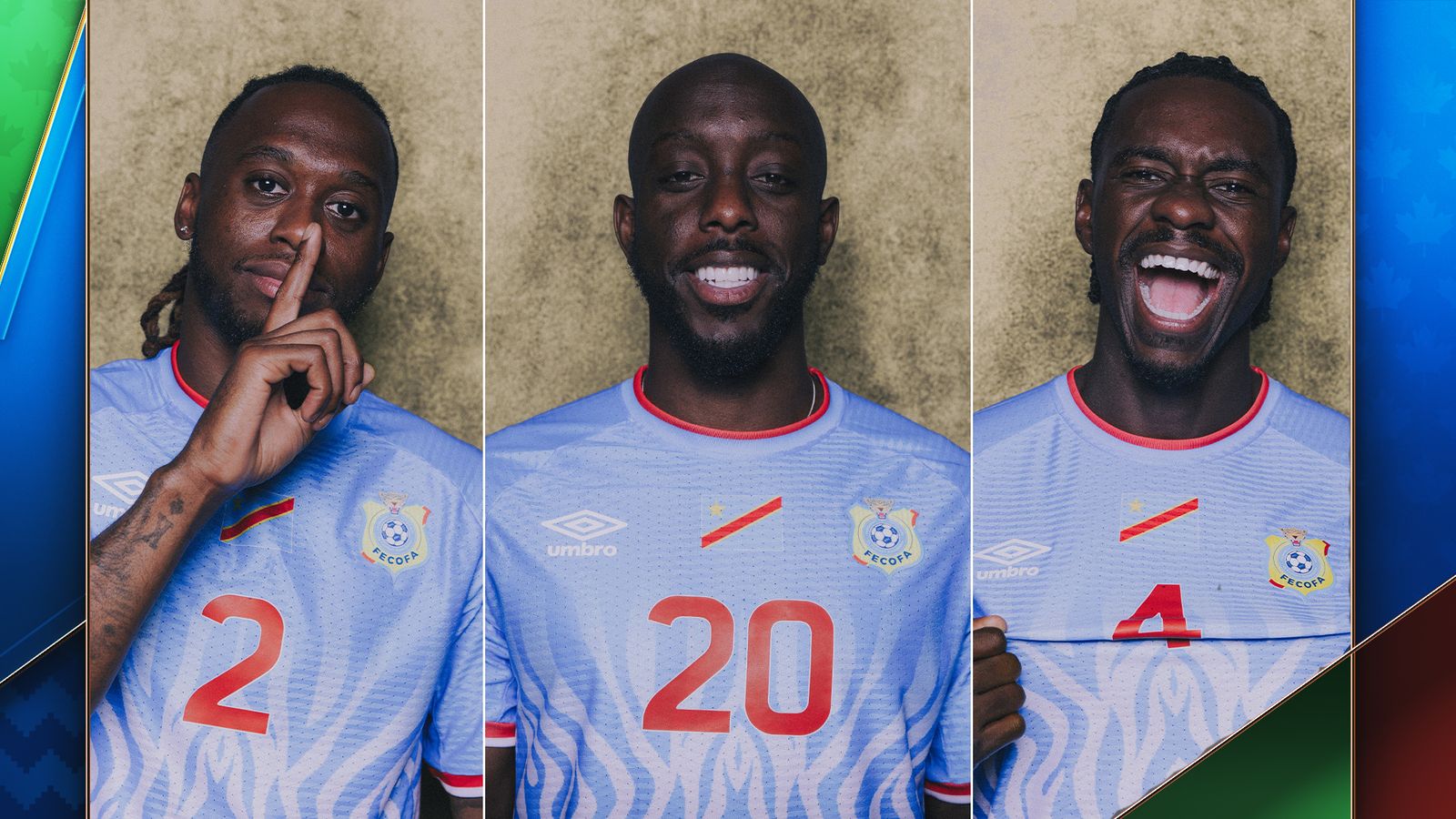
In their group opener, DR Congo choked the life out of Portugal’s attack. They held them to a single shot on target: Joao Neves’ header in the sixth-minute. Cristiano Ronaldo spent 90 minutes isolated and frustrated, managed out of the game by Chancel Mbemba and Axel Tuanzebe.
The defensive shape relies on narrow spacing and quick lateral shifts. When the ball is on the flank, the far-side wing-back tucks in to form a temporary back three, leaving no space for diagonal runs. The central defenders do not engage in aggressive pressuring, preferring to drop off and protect the zone directly in front of the box.
This passive defensive style frustrates creative players who rely on dragging defenders out of position. Portugal's midfielders repeatedly attempted to play through the center, only to run into a wall of blue shirts.
Wing-Back Discipline and the Colombia Defeat
Desabre's tactical identity is built on a narrow 5-3-2 block that forces opponents wide. Against Portugal and Colombia, Aaron Wan-Bissaka and Arthur Masuaku operated as disciplined defensive wing-backs. They rarely crossed the halfway line, prioritizing defensive recovery over attacking width.
The three central midfielders acted as a screen, preventing any passes into the half-spaces. Although the Leopards eventually lost to Colombia in Guadalajara, the defense held firm under intense late pressure. Goalkeeper Lionel Mpasi produced three world-class saves to deny Colombia's forwards, proving that even when the block is breached, Mpasi is capable of rescuing the team.
The Colombia match also revealed the physical limits of Desabre's low block. By the 75th minute, the midfielders were struggling to cover the lateral distances, allowing Colombia to flood the half-spaces. Masuaku was repeatedly targeted by isolation play on the left flank, exposing his defensive positioning when unsupported.
If England can sustain possession and shift the point of attack quickly, they can replicate Colombia's late success. However, that requires a level of passing speed that England have not yet shown in this tournament.
England's Creativity Vacuum
England's possession under Tuchel has been slow and predictable. The 2-0 win over Panama was comfortable on paper but offered few answers to their creative issues. FIFA’s style metrics indicate that England’s slow buildup is the polar opposite of DR Congo’s directness.
We saw this vulnerability during England’s game against Ghana. The Three Lions struggled to break down Ghana’s mid-block, frequently recycling possession sideways. If Tuchel’s side plays at that same tempo on Wednesday, they will play directly into Congo's hands, as the lack of vertical runs from midfield allows Desabre’s back line to remain compact.
Tuchel's reliance on individual brilliance rather than structured attacking patterns is a major concern. When Harry Kane drops deep to link play, the wingers rarely make vertical runs to occupy the space he leaves. This makes it incredibly easy for a back five to defend, as there is no threat behind them.
The midfielders must be willing to make third-man runs to break the defensive line. Without these runs, England's possession will remain sterile and ineffective.
The Leopards' Counter-Attacking Weaponry
Congo's defensive stability is matched by a highly dangerous transition threat. Yoane Wissa has scored three goals in three games at this tournament, matching Harry Kane’s goal tally. Wissa's lethal form justifies the £55m Newcastle paid to sign him.
His decision to miss the Africa Cup of Nations to focus on club adaptation was criticized, but it has prepared him perfectly for this stage. Wissa’s raw pace and direct running will test the recovery speed of England's center-backs. Against Uzbekistan, Wissa’s two goals showed how quickly he can exploit space behind a high line.
Wissa's movement in transition is particularly dangerous. He does not stay central; instead, he drifts into the channels between the full-back and the center-back. This forces the opponent's defensive line to stretch, creating gaps for late-arriving midfielders.
If England lose the ball in the middle third, Wissa will immediately target the space behind Kyle Walker. John Stones and Marc Guehi will need to be alert to prevent Wissa from getting isolated against them in wide areas.
The Striker Dilemma and Desabre's Adaptability
Despite Wissa's brilliance, DR Congo have a serious issue at the center-forward spot. Cedric Bakambu has struggled all tournament, failing to register a single shot on target for Real Betis or his country. Desabre finally benched the veteran striker against Uzbekistan, introducing Fiston Mayele.
The Pyramids forward, named the Interclub African Player of the Year, brought immediate composure to the front line. The Leopards eventually secured a 3-1 comeback victory over Uzbekistan, showing that the Leopards have a viable plan B.
This tactical flexibility could prove decisive on Wednesday. If England manage to score early, Desabre will not hesitate to abandon his back five and chase the game. The introduction of Mbuku and Cipenga on the flanks gives them genuine width and pace to stretch England's defense.
Mayele's hold-up play is also far superior to Bakambu's, allowing the midfield to join the attack. England cannot assume they will face the same defensive block for the entire 90 minutes.
English Ties and Historical Weight
The personal ties between these teams add another layer of intrigue. Axel Tuanzebe was born in Bunia but learned his football in Rochdale and at Manchester United, where he captained the senior side. Aaron Wan-Bissaka grew up in London and was named in an England squad by Gareth Southgate in 2019.
Midfielder Aaron Tshibola and wing-back Arthur Masuaku both spent years in the English leagues. Sunderland’s young midfielder Noah Sadiki represents the future of Congo’s national team. Even England's Ezri Konsa is eligible to represent the Leopards through his heritage.
For Congo, Wednesday's match is the culmination of their journey back to this stage, ending a 52-year World Cup absence. When they last qualified in 1974 as Zaire, they were pioneers for sub-Saharan African football.
Now, this generation has the chance to write a new chapter. Navigating the congested 2026 World Cup schedule will test the depth of both squads. The emotional motivation of this fixture means Congo will treat England as a free hit.
The Verdict
This match will not be the comfortable England win that many expect. Tuchel will dominate possession, but breaking down Desabre’s back line requires speed and verticality. If England continue to play sideways, they will turn the ball over in dangerous areas.
Wissa will exploit the space behind the full-backs on the counter-attack. The Leopards will sit deep, frustrate England, and take the match into extra time.
My prediction is a tactical masterclass from Desabre that ends in a 1-1 draw after 90 minutes. DR Congo will then win the penalty shootout to book a historic quarter-final spot.
Read Next
- Thomas Tuchel's safety-first England is one match away from a crisis
- England face a massive tactical puzzle before their DR Congo showdown
- Why Bukayo Saka at right-back is England's best option against DR Congo
- Djed Spence starting is the ultimate Thomas Tuchel chaos move
- 🏆 World Cup 2026 — Full Coverage Hub
- 🏴 England World Cup 2026 — Three Lions Hub