The Brutal Continental Shift
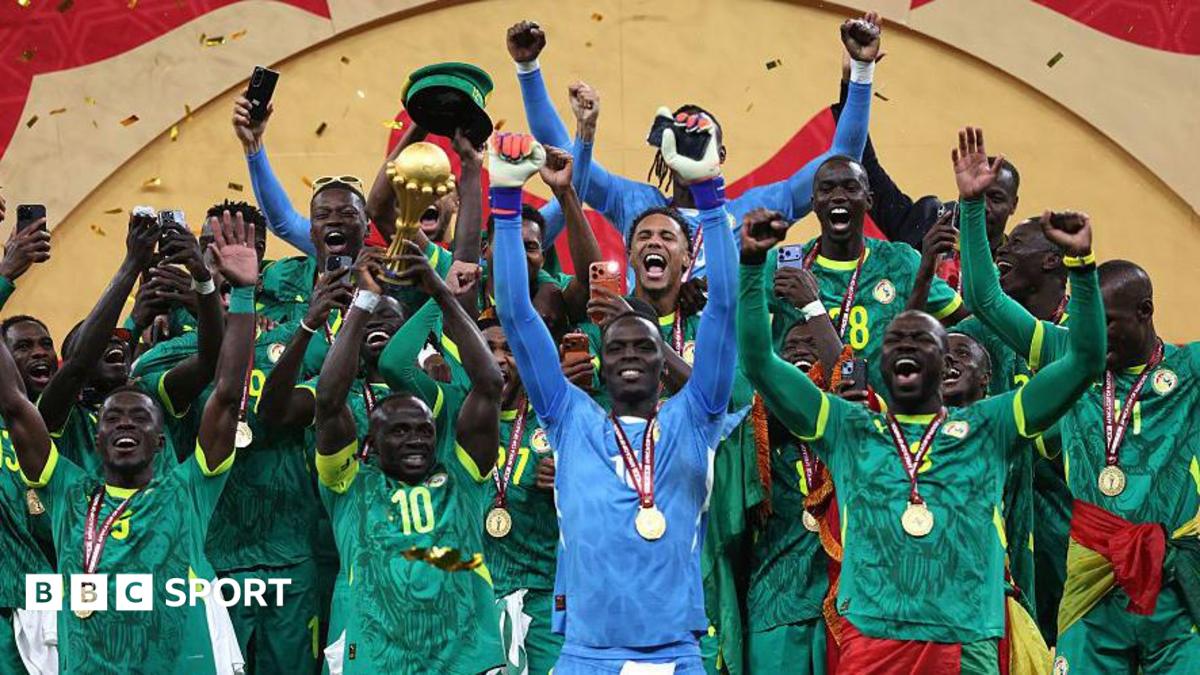
The group stage of the 2026 World Cup has ended, and the numbers are damning. African football has just staged a historic coup. Nine out of ten qualified nations from the continent secured their places in the Round of 32, a staggering 90% progression rate that makes the Confederation of African Football the most successful block in the tournament. Only Tunisia failed to make the cut. Meanwhile, the Asian Football Confederation is staring into an abyss of failure. Out of nine qualified Asian teams, only two survived the group stage.
Japan and Australia are the only Asian representatives playing in the knockout rounds. The other seven are already packing their bags. This disaster comes right after FIFA expanded the tournament to 48 teams, handing Asia more direct slots than ever before. Asian teams managed only three victories across 27 group stage matches. It is a terrible return for a region that lobbied hard for greater global representation.
The contrast with Africa is stark and uncomfortable for AFC executives. While African teams showed tactical flexibility and tournament-hardened resilience, Asian teams looked slow and easily bullied. As BBC Sport reported, Africa's dramatic success has left Asian football looking for answers. The continental hierarchy has shifted, and the fallout has already started in Seoul.
Hong Myung-bo's Resignation and the Seoul Meltdown
South Korea’s campaign was supposed to be a triumphant march. Instead, it was a disaster. The team finished third in Group A with only three points. They beat Czechia 2-1 but suffered consecutive 1-0 defeats to Mexico and South Africa. The immediate casualty of this collapse was head coach Hong Myung-bo, who resigned on Sunday, June 28, 2026. Hong announced his resignation at the team's training base in Zapopan, Mexico, taking full responsibility for the failure.
"To all of the Korean people who love and support our national team, I would like to genuinely apologise. Today, I'd like to announce that I will step down as the national team head coach... As the head coach, no explanation can supersede the ultimate result. I could not bring the result that our people had expected. All responsibilities are with me"
Hong’s resignation is only the beginning of a massive political storm. His appointment in July 2024 was criticized from the start, with fans accusing the Korea Football Association of cronyism. Now, the government is stepping in. South Korean President Lee Jae Myung went public with his anger, calling out the sports administration for incompetence and nepotism. The President ordered the Ministry of Culture, Sports and Tourism to investigate the KFA’s selection process.
"For the past two years, whenever I had to make important decisions regarding personnel or tactics, I always wondered if this was the best choice for Korean football."
This inquiry is a direct challenge to the KFA's leadership. Football administrators in Seoul are accused of prioritizing factional loyalty over tactical competence. President Lee has promised to reform the entire sports administration. The misuse of public funds on a failing campaign has turned a sporting loss into a major political scandal. South Korean football faces a long, painful rebuild under intense government scrutiny.
Cannavaro’s Brutal Debut and the Wissa Show
Uzbekistan’s first-ever World Cup appearance ended in tears and tactical lessons. Under the guidance of Fabio Cannavaro, appointed in October 2025, the debutants hoped to surprise Group K. Instead, they ran into a clinical DR Congo side on June 27, 2026. Uzbekistan took an early lead through captain Eldor Shomurodov in the 10th minute. But the defense collapsed under pressure, conceding three goals to lose the match 3-1.
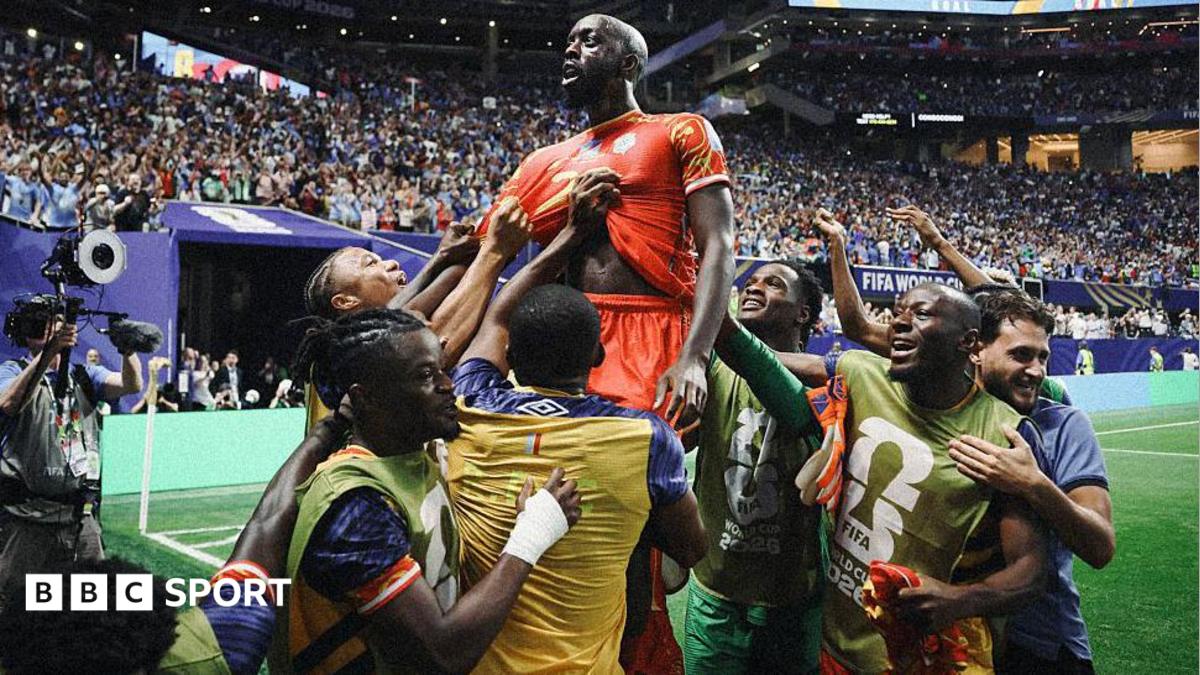
Yoane Wissa was the destroyer of Uzbek dreams. The Brentford forward converted a penalty to level the scores before substitute Fiston Mayele put DR Congo ahead. Wissa then added a late stoppage-time goal to seal the win, setting up a Round of 32 match against England. Cannavaro was defensive of his players after the whistle, but he acknowledged the gulf in class. The Italian manager was honest about the harsh lessons of the group stage.
"I will never complain about my players because I know... they suffer more than anyone in Uzbekistan."
Cannavaro accepted the blame for the tactical errors that doomed the campaign. Earlier in the group stage, Uzbekistan suffered a humiliating 5-0 defeat to Portugal. The manager refused to hide behind excuses. He admitted that his tactical setups were exposed by top-tier opponents. For Uzbekistan, the tournament was an eye-opener.
"If we lost 5–0, it is because today I made mistakes, and not them."
The Italian coach insisted that the experience was necessary for the country's development. But critics are pointing to Cannavaro's lack of tactical answers when playing without a low block. His team looked lost when trying to control possession against DR Congo's pressing. The Uzbek federation must now decide if Cannavaro is the man to lead them forward, or if they need a manager with a better understanding of modern defensive systems.
Sellami’s Diagnostic and Asia’s Long Road
Jordan’s exit also highlighted the widening gap between the two continents. Coached by Jamal Sellami, the Jordanians failed to progress, showing a lack of cutting edge. Sellami, who took over in 2024 after Hussein Ammouta stepped down, did not mince words. He pointed out the structural difference between the teams succeeding and those failing. Sellami argued that Asian football cannot compete without sending more players to Europe's top leagues.
"more players to play at that high level"
The Moroccan coach’s assessment is hard to dispute. Most of the players in the Jordan squad play in local leagues or the Middle East. Meanwhile, the African squads are packed with players performing weekly in the Premier League, Ligue 1, and Serie A. This difference in weekly competition speed was obvious in every duel. When Jordan faced physical opponents, they struggled to keep pace.
The lack of players in elite leagues is a problem across the AFC. Apart from Japan and South Korea, very few Asian nations have players starting regularly in Europe. Qatar and Saudi Arabia have invested billions in their domestic leagues but failed to produce players capable of performing under World Cup pressure. The high salaries paid in the Gulf keep local talents at home, limiting their development. Until Asian players leave their comfort zones, the continent will continue to struggle on the global stage.
The contrast with Africa's success is a lesson in player development. Nations like Cape Verde, Egypt, and DR Congo showed that organized domestic structures paired with European experience create winning teams. Africa did not just bring individual talent; they brought collective discipline. Asia, on the other hand, brought expensive domestic stars who collapsed under pressure. The 2026 World Cup has exposed the flaws in Asia's development model, and the answers will not be cheap or quick.
Read Next
- The KFA circus finally catches fire after South Korea's World Cup disaster
- Tuchel needs Anderson focused as England face a tactical trap against DR Congo
- Thomas Tuchel's right-back crisis gives DR Congo a shot at a World Cup upset
- Why England's wide dysfunction could hand DR Congo a World Cup shock
- 🏆 World Cup 2026 — Full Coverage Hub
- 🇲🇦 Morocco World Cup 2026 — Atlas Lions Hub