The defensive blueprint for England
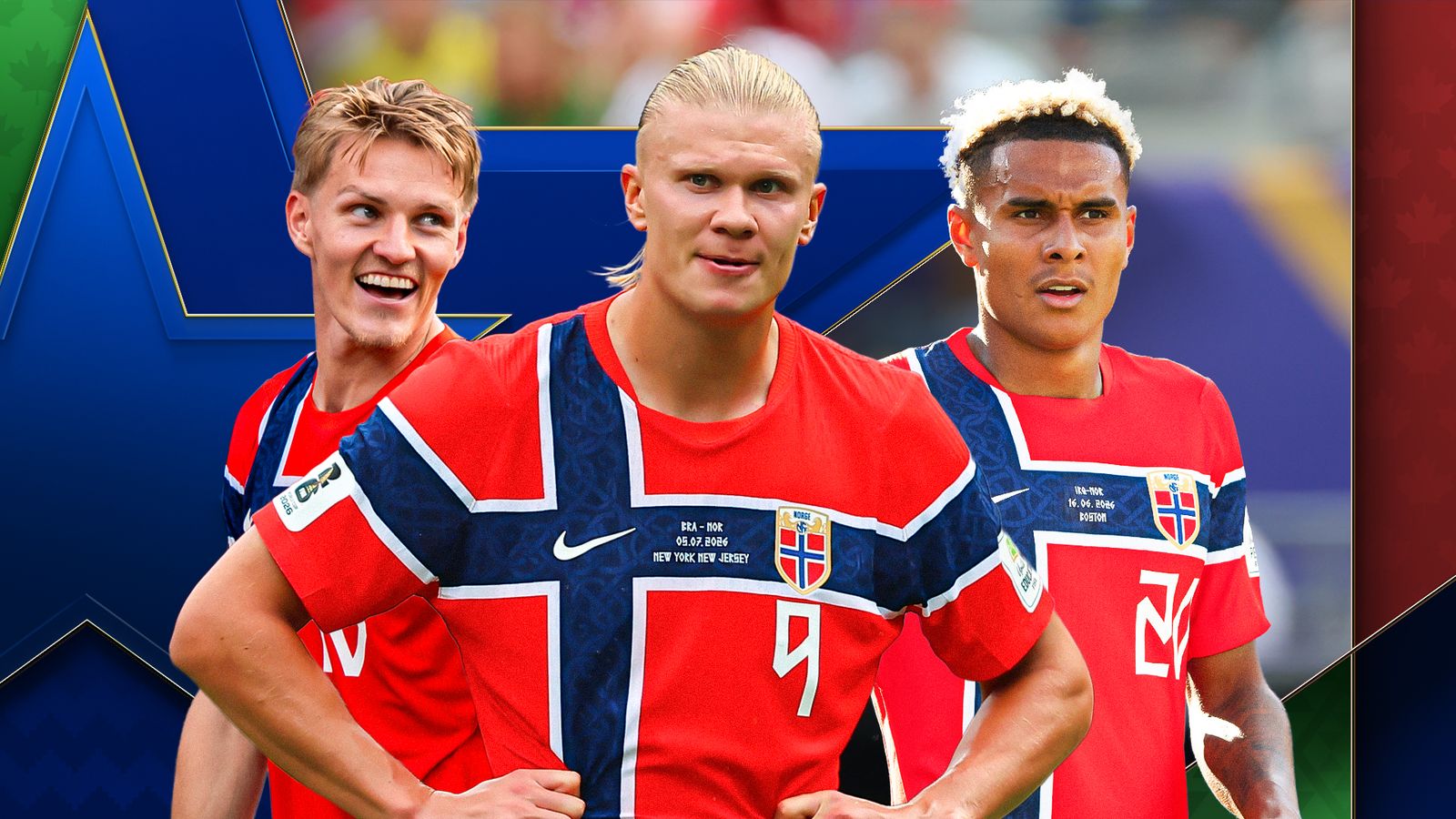
England enters the World Cup quarter-final with a tactical question hanging over the camp. Thomas Tuchel has rebuilt the backline, but Erling Haaland moves with a physics-defying combination of acceleration and pure body mass that renders standard zonal marking obsolete. The data confirms the threat: Haaland has registered a non-penalty expected goals per shot frequency that sits 14% higher than any other striker in this tournament.
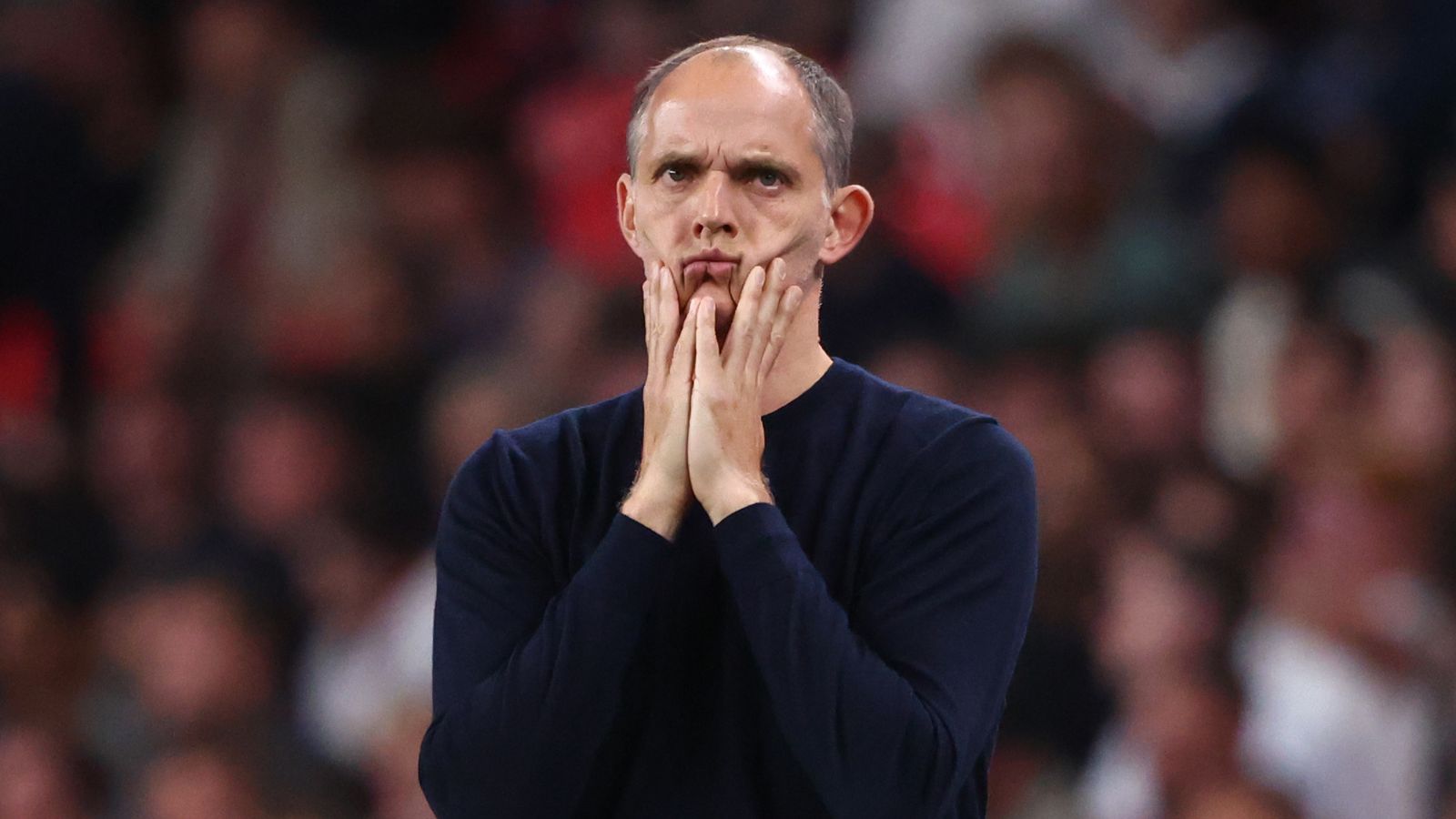
Tuchel’s personnel choice at the base of the midfield will determine the outcome. If he persists with a double pivot, he risks being overrun by Norway's inverted wingers who pull full-backs out of position. Dropping a dedicated screen in front of the center-backs is no longer a luxury; it is a mathematical requirement against a striker who touches the ball fewer than 20 times a game but converts those instances into high-leverage scoring opportunities.
Norway is more than a one-man show
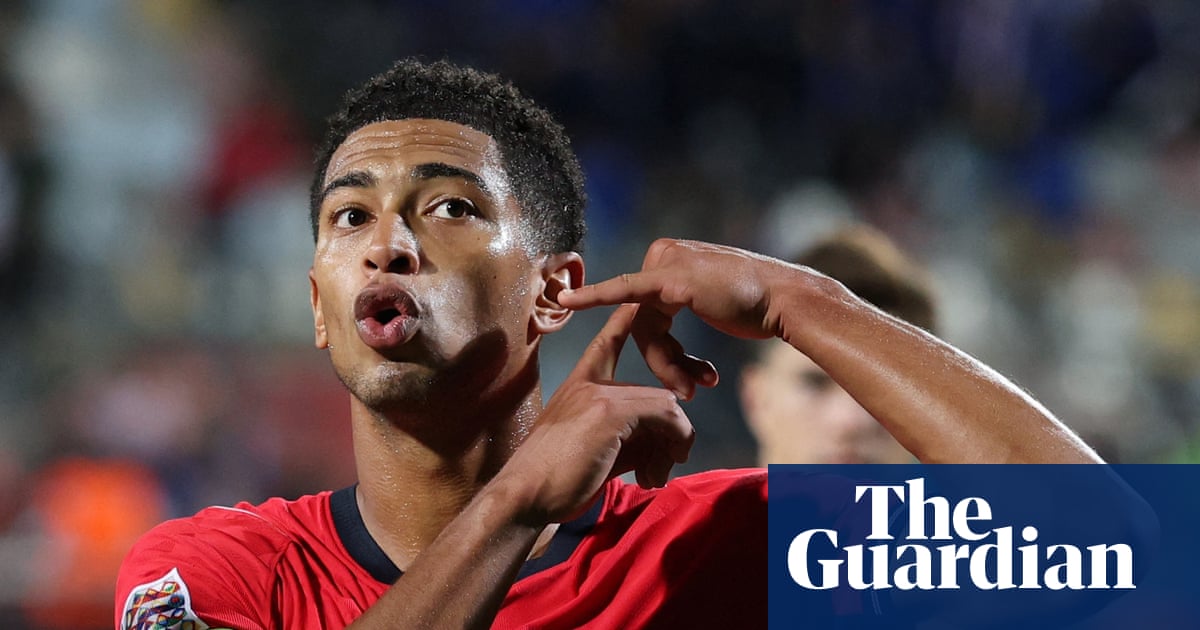
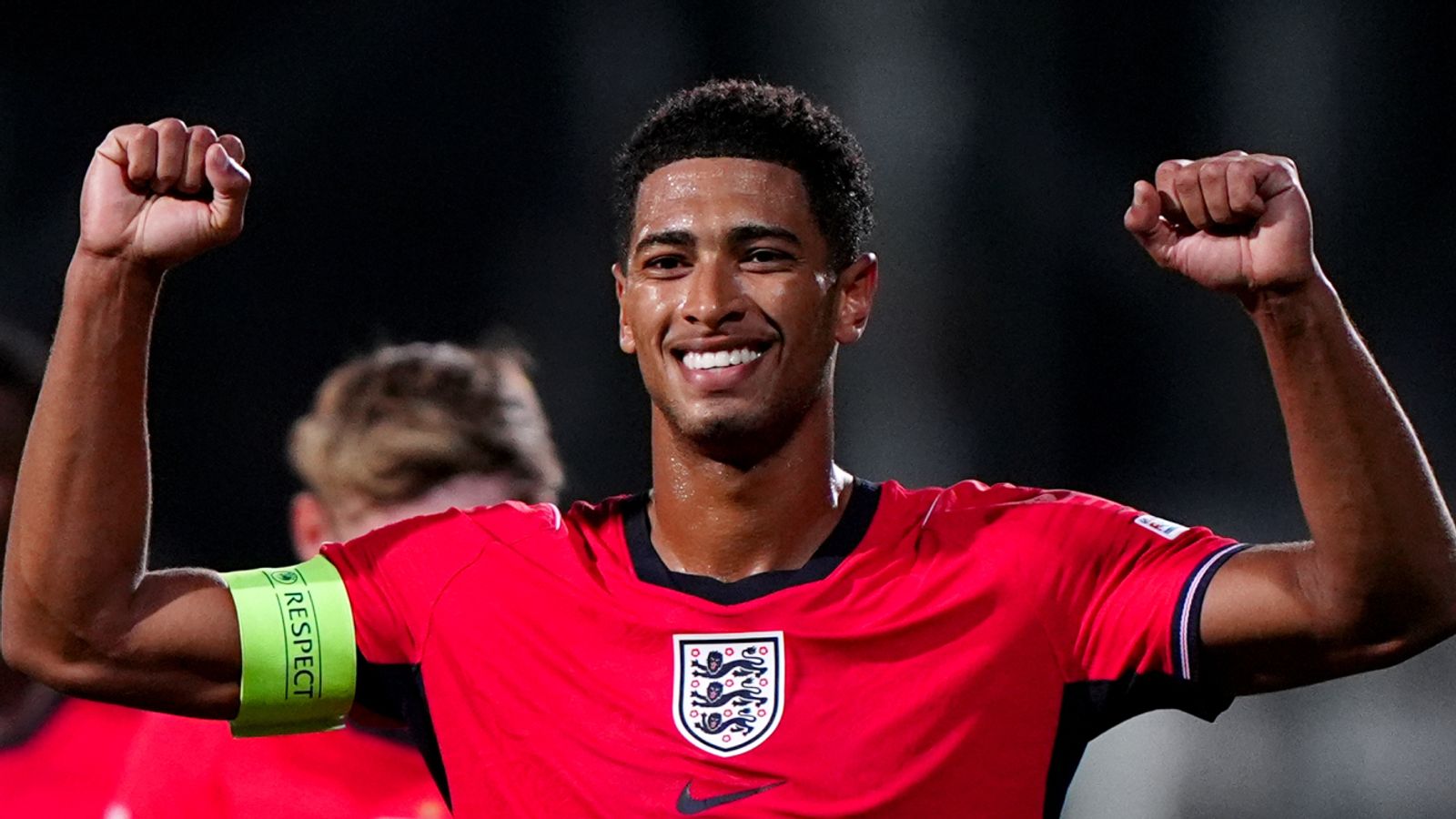
Focusing entirely on Haaland plays into Ståle Solbakken's hands. Norway’s progression out of the group stage relied on Martin Ødegaard orchestrating high-transition attacks. As Sky Sports analyzed, England’s high press has been inconsistent when the opponent bypasses the first line of engagement quickly. If the front three loses their defensive shape, Jude Bellingham and Declan Rice will be left chasing shadows in the middle third.
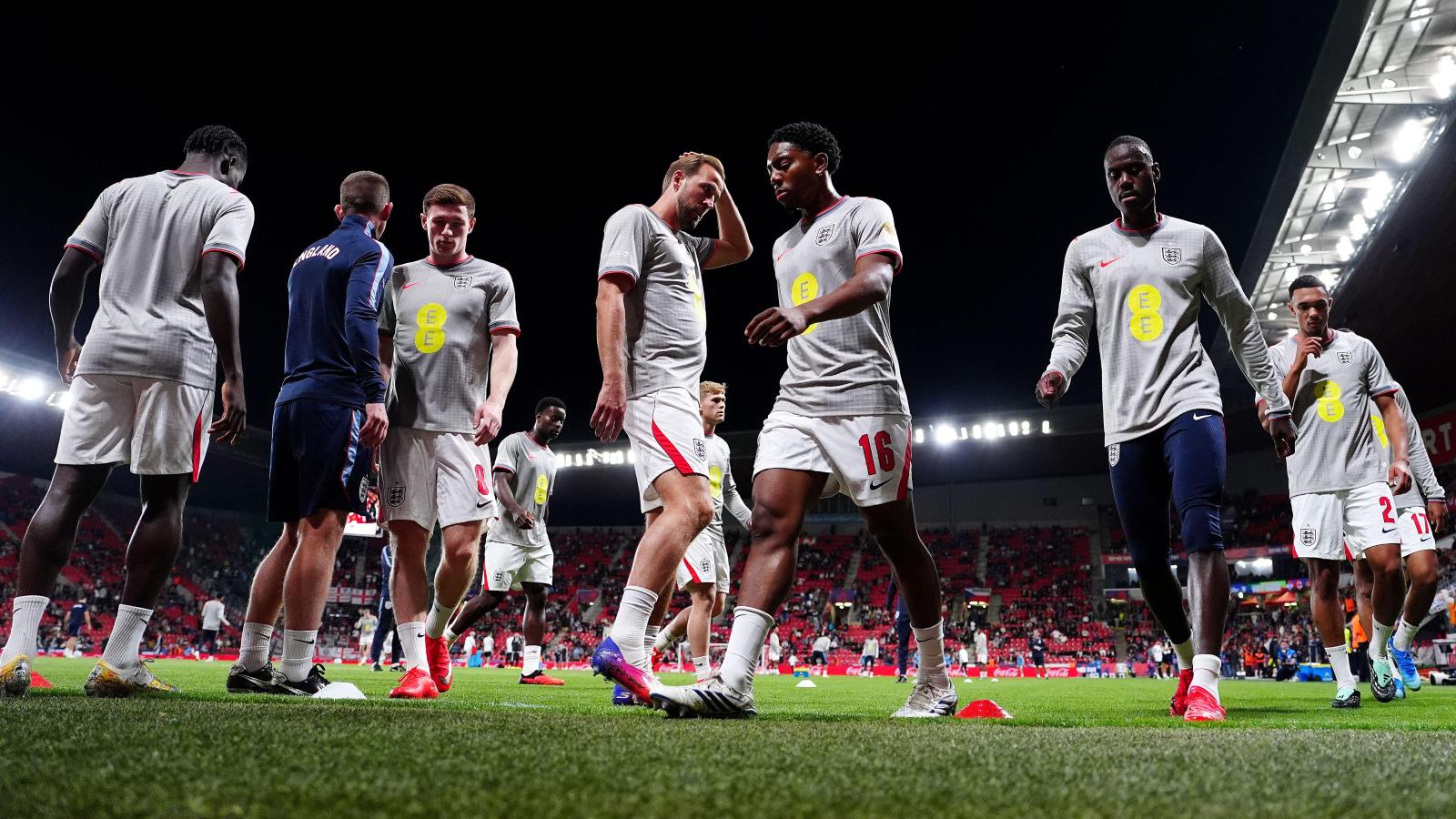
There is a glaring weakness in the current England setup: transition recovery. Under Tuchel, the team pushes a high defensive line to condense space, yet they have suffered from a lack of recovery pace among the starting center-half pairing. Norway’s primary route to goal involves vertical balls into the channels that force the defense to turn toward their own goal, an area where they have conceded a 68% pass completion rate to attackers in deep positions.
The central tension of Tuchel-ball
Tournament football rewards pragmatism, yet Tuchel has struggled to find a balance between disciplined defensive structures and the creative fluidity required to break down disciplined banks of four. England’s attacking output has remained stagnant in the knockouts, averaging just 1.2 goals per match. The decision to rotate the wingers has disrupted the rhythm of the attack, leading to sterile possession that leaves the team vulnerable to the rapid counter-attack.
Solbakken expects a tight affair, prioritizing defensive transitions over raw dominance. For England, the path to the semi-finals relies on limiting the turnover count in the final third to 12 or fewer per half. Anything higher invites the exact direct play that Haaland thrives upon.
The Verdict
This match will not be decided by tactical flair or long-range strikes. It hinges on individual battles in the transition phase. England has the deeper talent pool, but Norway possesses the most lethal individual operator in world football right now. My read is that Tuchel plays it conservative, clogging the central lanes and daring Norway’s secondary creators to beat them through wide distribution. It will be an ugly, cagey 90 minutes that ends with a narrow 1-0 England victory, likely settled by a set-piece intervention.
Read Next
- Tuchel must gamble on freshness to survive the Norwegian storm
- England must solve their midfield puzzle before Norway punish them
- England must solve their midfield puzzle before Norway punish them
- Erling Haaland is the ultimate tactical headache for Thomas Tuchel
- 🏆 World Cup 2026 — Full Coverage Hub
- 🇳🇴 Norway World Cup 2026 — Can Haaland Lead the Vikings?
- 🏆 World Cup 2026 Final — MetLife Stadium Hub