The expansion experiment: Did we need this much chaos?
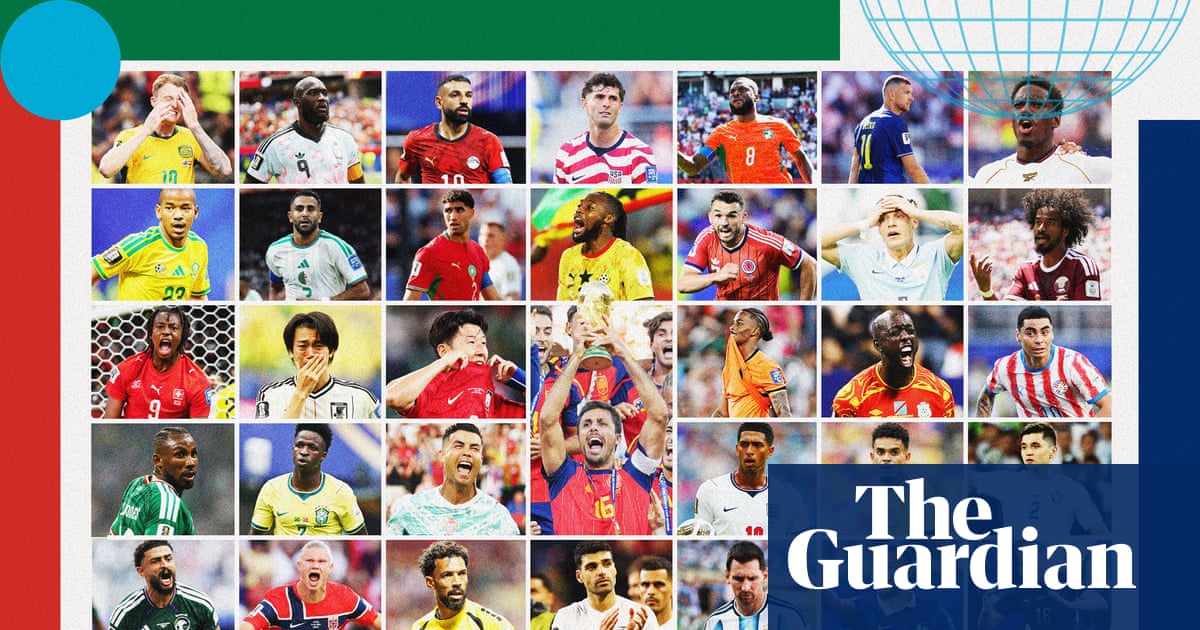
So, the dust has settled on the first 48-team World Cup circus. If you were paying attention, you know exactly what this felt like. It was like going to an all-you-can-eat buffet where half the food was cold and the other half gave you food poisoning, yet you somehow still left clutching a plate of questionable chicken wings. The expansion, which The Guardian reported on extensively, has officially left the football community split right down the middle.
Some folks are acting like this is the death of competitive integrity. They look at the expanded field and see a glorified charity event where minnows get slaughtered by the titans. Others are arguing that the sheer volume of games just gives us more excuses to ignore work and park ourselves in front of the television. It’s a total mess, but let's be real—we watched every second of it.
The skeptics are sharpening their guillotines
If you head over to the forums, the purists are absolutely losing their minds. They look at the group stages as a bloated slog that diluted the prestige of the golden trophy. One user pointed out that the gaps in class were visible from orbit. Watching a traditional powerhouse dismantle a team that effectively qualified just by showing up isn't exactly high art. It feels hollow.
The critique is simple: why fix what wasn't broken? The 32-team format was a perfect, tight narrative. Now, we have teams scratching and clawing through group stages that feel like preseason friendlies. It turns the biggest stage on earth into a quantity-over-quality situation. People want high-stakes matches on matchday one, not lopsided blowouts where the starters go home at halftime.
The optimists and the "more football" crowd
Then you have the contrarians who thrive on sheer volume. Their argument sounds like: "I get to watch more games, so why are you crying?" They argue that the expansion allows for Cinderella stories that catch fire and take over the cultural conversation. We love a good underdog narrative in sports, and by widening the net, you give more nations a crack at the big time.
This crowd loves the idea that the tournament isn't just for the ivory tower of elite UEFA nations. They claim it makes the event global in a way that feels intentional rather than exclusive. Sure, maybe the middle of the bracket is soft, but does it really matter at 2am when you're three beers deep rooting for a team you couldn't find on a map two weeks ago? Apparently not.
The verdict: It’s a bloated disaster with a heart
Here is my take. The 48-team model is a massive, bloated, commercial machine designed to squeeze every cent out of the game. It treats the World Cup like a quarterly earnings report rather than a sporting peak. The lack of tension in the group stages is a real issue. When the matches feel like a foregone conclusion before kickoff, the stakes drop, and the casual viewer tunes out.
However, we are past the point of no return. We are looking at a 64-team future as the next logical, albeit terrible, step. It is the natural consequence of chasing revenue over structure. Gianni Infantino isn't about to shrink the pie after selling every slice he can find.
My advice? Lean into the absurdity. Treat the first week as a reality show, wait for the actual heavyweights to start playing each other in the knockout rounds, and stop acting like this is still the pristine tournament of 1994. The magic isn't in the structure anymore—it’s in the collective madness of the fans trying to track 48 different sets of rosters and kits simultaneously.
- The quality drop-off is mathematically impossible to ignore
- The tournament length feels like a test of human endurance
- The variety of teams is actually pretty refreshing for the sport's health
Ultimately, the expanded format feels like a massive compromise. It loses the razor-sharp intensity of the older models, but it picks up a weird, chaotic charm that keeps us engaged during the lull periods. We can roast the logistics all day, but as people are already debating on social media, nobody is actually turning their TVs off.
Read Next