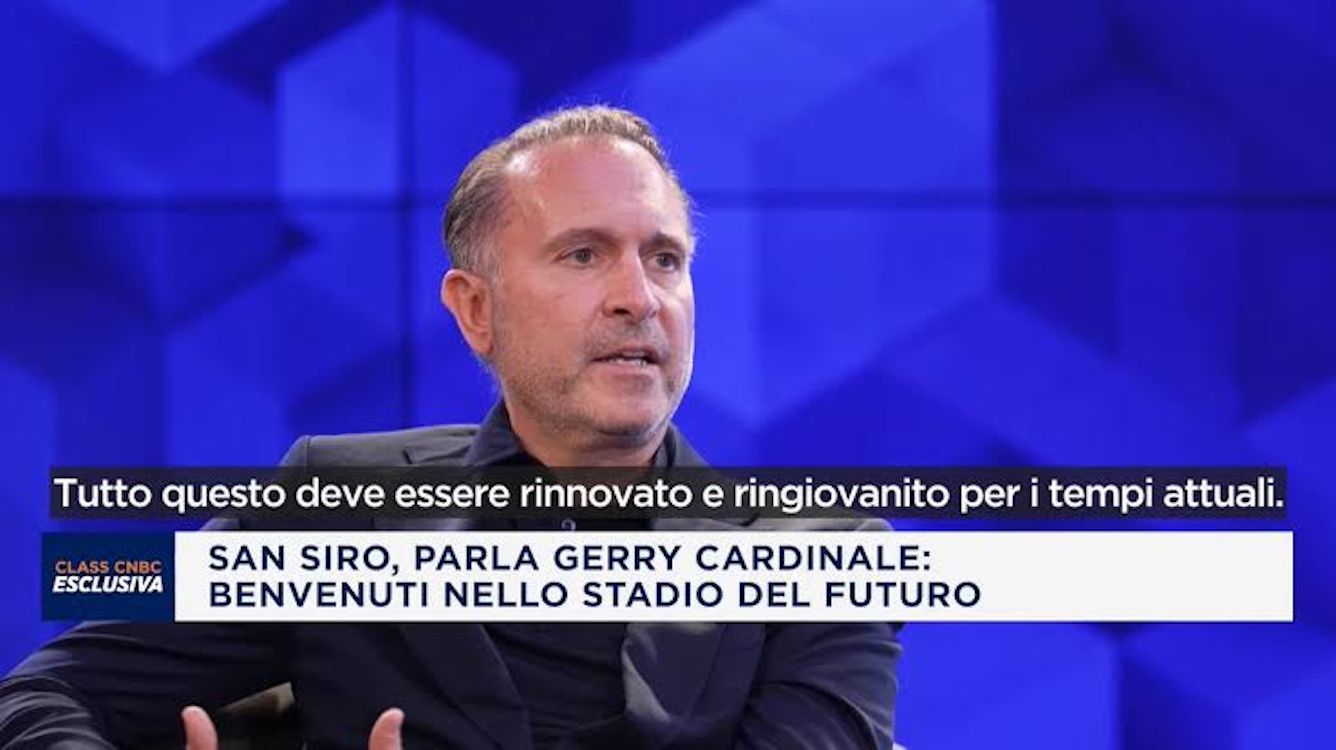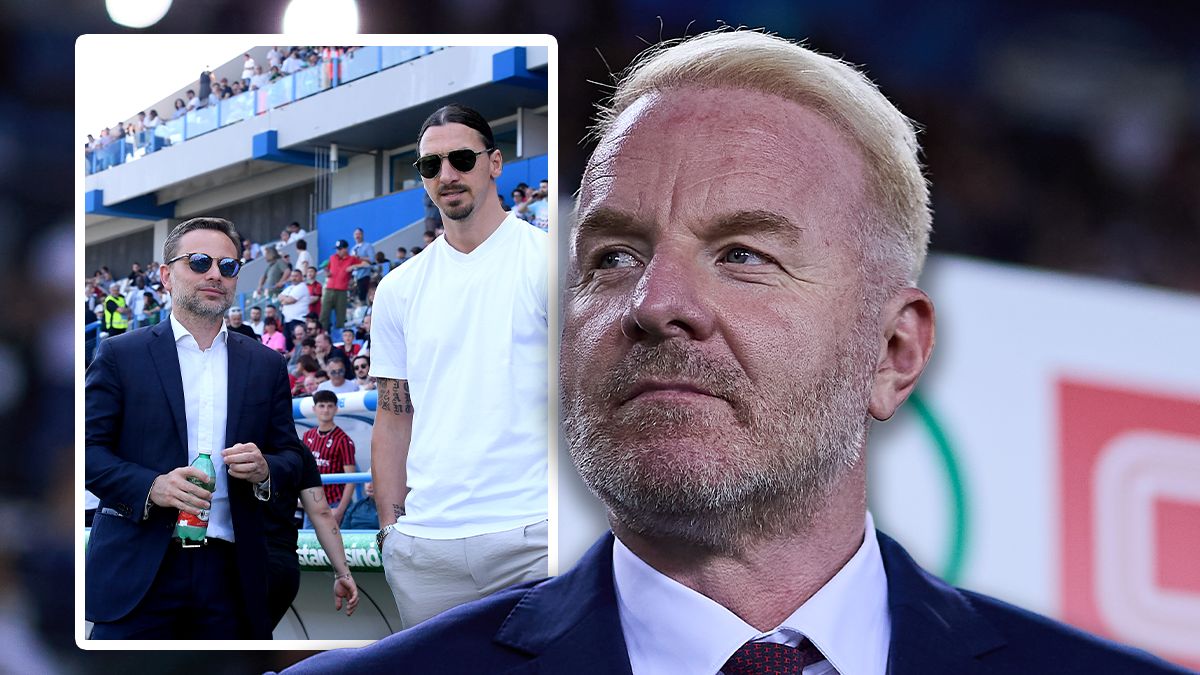
AC Milan supporters were treated to two completely conflicting realities within twenty-four hours. On Friday, former sporting director Igli Tare sat down for a candid broadcast on Sky Sport and systematically laid bare the dysfunction behind last season's collapse. By Saturday morning, owner Gerry Cardinale answered through Gazzetta dello Sport, announcing an expansive corporate vehicle and declaring he will never sell the club.
The contrast could not be sharper. While Cardinale talks about commercial expansion, American entertainment models, and multi-sport ventures, Tare exposed a dressing room that simply stopped functioning. Between those two worlds sits Ruben Amorim.
Amorim is now tasked with managing a squad scarred by internal apathy, bizarre medical choices, and chaotic recruitment. RedBird can market its brand globally, but football matches are still won on grass. Right now, Milan look like an institution at war with its own sporting priorities.
The Five-Day Panic That Broke Allegri’s Season
Tare’s interview on Sky Sport’s ‘Calcio Unplugged’ with Gianluca Di Marzio and Stefano Borghi offered a rare, unfiltered look into a fallen campaign. Milan actually sat at the top of the Serie A table until March and April. What followed was a complete mental breakdown over the final ten matchdays that cost the club Champions League qualification.
Tare did not spare himself or former manager Max Allegri from blame. Yet the origin of that late collapse traced back to a disastrous tactical decision made right before the season began. Five days before the summer transfer window closed, the club abruptly abandoned their 4-3-3 system to switch to a three-man backline.
That eleventh-hour pivot shredded months of squad planning. As Tare revealed on Sky Sport, trying to rebuild a defensive unit in under a week proved impossible.
"Switching from a 4-3-3 to a three-man defense meant we were having a really hard time finding a quality player in the last five days."
The transfer market offered zero mercy. Milan attempted to sign Manuel Akanji, but the defender refused to move because the club could not offer Champions League football. A deal for Liverpool defender Joe Gomez was fully agreed, only to collapse when Marc Guehi’s transfer from Crystal Palace to Anfield fell through at the last minute.
Left without a senior center-back, Milan scrambled. They signed Odogu as an emergency bet on youth. Rebuilding a title-chasing backline in 120 hours is not ambition; it is organizational malpractice.
The defensive vulnerability bled directly into the spring collapse. Milan lost tactical cohesion, culminating in a humiliating 2-1 defeat to Cagliari that Tare called the worst match of his life. Fans in the stands watched a group of players who looked completely disconnected from the badge.
Worse still was the breakdown in club governance. When Tare was negotiating for Ardon Jashari, Cardinale called him directly in Rome, offering additional financial support if required. Yet Tare never spoke to the owner again throughout the entire process. Management layers blocked direct communication, leaving the sporting director isolated during high-stakes negotiations.
Dressing Room Apathy, Injections, and the Striker Curse
If the defensive recruitment was chaotic, the situation in the attacking third bordered on absurd. Tare held nothing back when addressing the forwards who failed to deliver. Christian Pulisic went six months with only a single goal to his name, while Santiago Gimenez failed to find the net for an entire calendar year.
Then came the assessment of Rafael Leao. The Portuguese winger suffered a four-month goal drought while battling calf problems and pubalgia. But Tare pointed directly to an attitude problem, stating that football was no longer a priority for Leao due to outside interests in fashion and music.
That is a devastating indictment of a marquee player. When your highest-profile attacker checks out mentally, the rest of the dressing room takes notice. Modric, Mike Maignan, and Matteo Gabbia tried to uphold high standards, but several isolated leaders cannot drag an indifferent squad across the finish line.
Nothing illustrates Milan's internal mismanagement quite like the mishandling of Niclas Fullkrug. The German forward joined on loan in January to solve the central striker vacancy, scoring the winner against Lecce on January 18. Just over a week later, Fullkrug broke his toe.
Instead of allowing him to heal properly, the staff pushed him onto the pitch. As Tare explained to Sky Sport, Fullkrug took bone injections for two months just to participate in training sessions. He was hobbled, ineffective, and managed only one goal in Italy.
The player was never the problem. Back in the Bundesliga with Werder Bremen, Fullkrug has already exploded with 12 goals in 11 games as the league's top scorer. Milan had a proven Champions League finalist in their ranks and ruined his campaign through reckless medical decisions.
Tare contrasted that lack of discipline with Luka Modric, who arrived after an attempt to buy Leverkusen captain Granit Xhaka fell through. Modric proved to be an impeccable professional, never missing a training session and showing genuine humility with supporters. Tare noted that modern sixteen-year-old talents often arrive with bloated entourages and fragile focus, making cultural discipline harder to maintain than ever.
Cardinale’s Corporate Empire Versus Pitch Reality
While Tare broke down the wreckage of last season, Gerry Cardinale looked entirely toward corporate balance sheets. On Friday, RedBird officially launched Milan Sports & Entertainment to consolidate its sports, media, and real estate assets in Italy. Brett Yormark, former Big 12 Conference commissioner, was appointed as chief executive.
In an interview this morning, Cardinale told Gazzetta dello Sport that the holding company will provide the financial muscle required to sign elite global talent. He dismissed rumors of an exit with unequivocal finality.
"I will never sell AC Milan. Never. And this is a project to get them back to winning ways."
Cardinale referenced his original pledge to build a modernized "Berlusconi 2.0." He outlined sweeping plans, including a planned 20,000-seat arena in San Donato, potential involvement in an NBA Europe franchise, tennis tournaments, and a hospitality business modeled on Legends Hospitality. He also defended his opposition to selling 30% of Serie A’s international television rights to JP Morgan, demanding that Italian football create independent revenue.
The corporate vision is grand, but supporters are deeply unconvinced. Fans remember the abrupt sacking of Paolo Maldini, the departure of Stefano Pioli, and the subsequent hiring and firing of Allegri and Tare. When boardroom announcements sound like investment banking pitches while the football team finishes outside the top four, patience evaporates.
The Harsh Reality Facing Ruben Amorim
Ruben Amorim now steps into this volatile environment. Cardinale confirmed that summer tour plans in the United States have already been discussed with the new manager. The owner insists friendlies must add tactical value rather than merely generating a couple of million euros, a distinct departure from previous commercial habits.
That shift is welcome, but friendly schedules are the least of Amorim’s concerns. The Portuguese coach faces a dressing room that fractured under pressure only months ago. Changing a club culture requires operational harmony across every department, something Milan plainly lacked under the previous hierarchy.
Tare’s revelations laid bare three fundamental operational flaws that Amorim must immediately overcome:
- Tactical instability caused by reactive transfer choices rather than coherent squad planning.
- Medical mismanagement that compromised player welfare and destroyed on-pitch output.
- Disconnected executive hierarchies that left technical staff isolated from decision-makers.
Adrien Rabiot signed late in August and added needed steel alongside Modric and Maignan. Yet a core of seasoned veterans cannot mask deep structural deficiencies. If attacking players continue to treat football as a secondary hobby, Amorim's tactical demands will hit the same brick wall Allegri encountered.
Cardinale insists that modern multi-sport platforms and commercial venues will close the financial gap with the Premier League. That economic ambition is necessary in modern football, but it means nothing without sporting execution. Entertainment arenas do not score goals, and holding companies do not organize defensive transitions.
Igli Tare held up a mirror to AC Milan, and the reflection was ugly. If Gerry Cardinale wants to emulate Silvio Berlusconi, he must understand that trophies build empires, not the other way around. Ruben Amorim has arrived to fix the football, but unless the boardroom learns from Tare's autopsy, the cycle of dysfunction will simply continue.