Tournament attrition hits peak levels
The 2026 World Cup is rapidly transforming into a survival exercise. As BBC Sport recently detailed, the FIFA directive increasing injury time has directly correlated with a spike in muscle-related setbacks after the 80th-minute mark. Players are increasingly being pushed beyond physiological limits as matches stretch toward 100 minutes of total play.
We are seeing teams abandon high-intensity pressing late in games to prevent soft-tissue injuries. It is a cynical shift, but it is necessary. Managers are choosing to settle for draws rather than risk losing key starters for the knockout rounds. The data confirms this shift in tactical risk versus reward.
The cost of the expanded stoppage time
FIFA’s mandate for accurate timekeeping has backfired. Sports scientists argue the extended duration of games creates a dangerous window for fatigue-driven trauma. When the heart rate remains elevated for longer intervals, coordination slows and the risk of ligament strain increases exponentially.
Historically, tournaments have struggled to manage the load. We saw similar complaints during the 2022 winter cycle, though the heat here presents a different variable. Some national team medical staffs are reportedly lobbying behind the scenes for a rule tweak to allow additional substitutions specifically for these extended periods.
Brazil's clinical edge amid the chaos
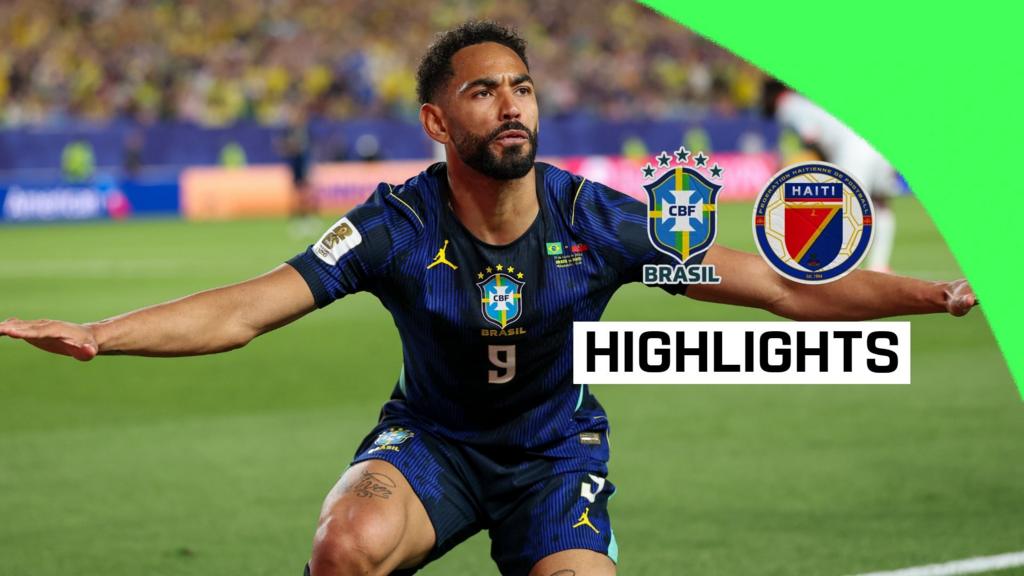
While injuries dominate the headlines, performance remains the priority. Matheus Cunha emerged as the focal point in Brazil's recent 2-0 victory over Haiti, netting a brace to secure his side's progression. As reported by the BBC, this result confirmed Haiti as the first nation sent packing from the tournament.
Cunha’s efficiency is notable, yet he is playing nearly 15 percent more minutes than expected due to these bloated game times. For a player relying on explosive bursts, that extra 10-12 minutes per game is a ticking clock. If he or other primary attackers fall, the tournament's overall quality will crater long before the final.
Strategic implications for knockout progression
Teams are now prioritizing recovery over tactical training sessions between matches. You can see it in how squads move during warm-ups on matchdays; the intensity is heavily throttled down. Scouting departments are now focusing on depth charts more than starting elevens. The team with the deepest bench is going to lift the trophy.
This environment is punishing on aging rosters. Nations that rely on veteran cores from European leagues are struggling to maintain defensive shape in the closing stages. Meanwhile, younger sides, such as Brazil, are utilizing their mobility to capitalize on the exhaustion of their opponents.
The missed opportunity for FIFA
A critical failing of this tournament is the lack of a standardized recovery protocol across all training facilities. Some nations have access to cryotherapy and high-end regeneration technology, while others are making do with basic ice baths and low-intensity recovery runs. The gap in resources is effectively deciding outcomes now.
The scheduling has created an uneven playing field. If we are going to force players into 100-minute matches, the minimum standard for recovery facilities should be governed by the tournament organizers. The current structure punishes players from minnow nations without the budget to offset the added workload.
We have reached a point where the games are being determined by who survives the clock rather than who plays the better tactical game. This trend serves no one. If the authorities continue to ignore the feedback from medical crews, the final stages of this tournament will be missing the very stars that fans have paid to see.
The total duration of play is undeniably high this year, hovering at an average of 98 minutes across the opening round. Unless there is a course correction in how officials handle the whistle after minute 85, we should expect the injury list to grow by at least thirty percent by the round of sixteen. The human body is simply not meant to perform at this intensity for such sustained periods without adequate rest cycles.