The science behind the late-game breakdown
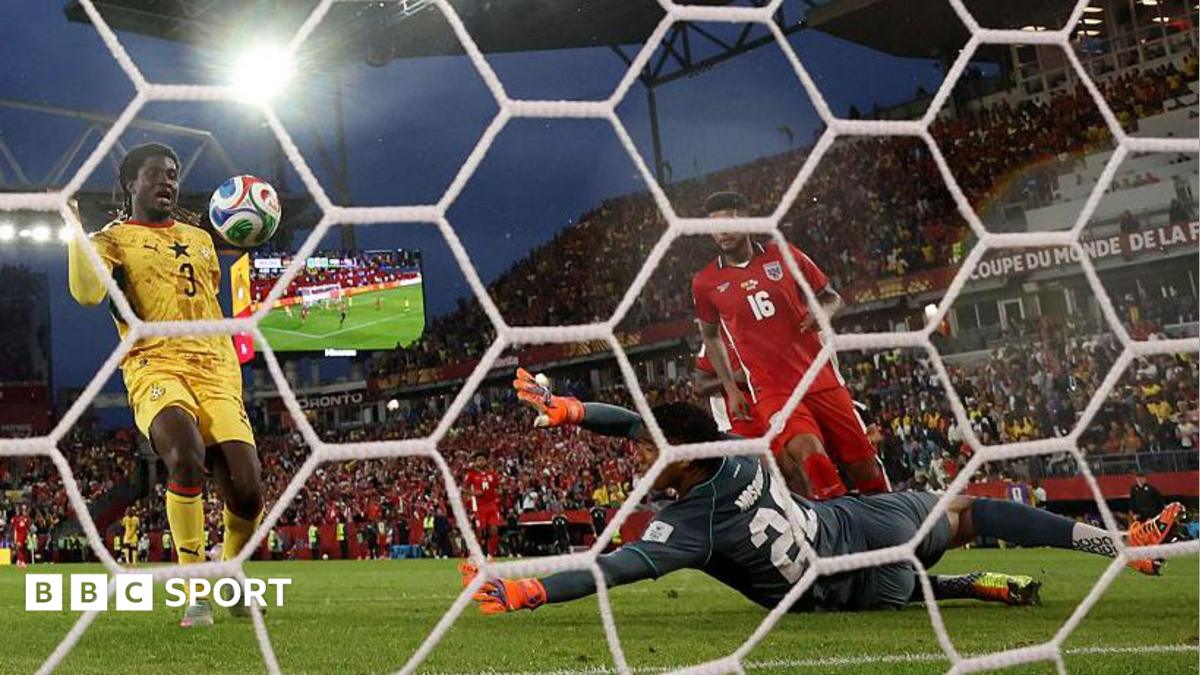
The 2026 World Cup has evolved into a war of attrition. Data from the opening stages confirms a statistically significant spike in injuries occurring after the 80th-minute mark. As BBC Sport recently detailed, the FIFA directive to mandate longer stoppage times has fundamentally changed the physical load on athletes.
Players are now routinely logging 100-plus minutes per match. Medical staffs across multiple national teams report rising rates of soft-tissue fatigue, specifically in the hamstrings and calves. When the match clock hits 90, the drop-off in high-intensity sprints is creating vulnerabilities that did not exist during the 2022 cycle.
Tactical burn: The heavy cost of fresh legs
Managers are leaning into high-pressing systems that rely on aggressive tactical substitutions. By the 75th minute, squads are exhausting their allotment of five changes to maintain pressure. While this creates more scoring chances, it also places players who have played three full matches in a week at extreme risk.
We are seeing an uptick in non-contact injuries during these final segments. Fitness coaches note that as metabolic fatigue sets in, eccentric muscle control fails during rapid deceleration or sharp changes of direction. It is a predictable outcome when you increase playing time without extending rest intervals between tournament fixtures.
Historical precedent and the fatigue trap
We saw similar concerns during the 2014 tournament in Brazil. High temperatures and 90-plus minute battles led to numerous cramping incidents and subsequent strain injuries. Unlike 2014, modern tracking technology provides real-time oversight of cardiac load and muscle output, yet the injury numbers remain stubbornly elevated.
The current scheduling model ignores the reality of cumulative fatigue. Players enter this tournament coming off grueling domestic campaigns in the Premier League, La Liga, and Serie A. Adding an extra 10 to 12 minutes of active play per match isn't just entertainment—it is a physical tax that the body is clearly struggling to pay.
Managerial failure and the risk-reward scan
Coaching staffs must share the blame for these physical collapses. Some managers continue to utilize aggressive 'park the bus' or 'full-press' tactics in the final minutes despite clear evidence of sluggish movement and poor spatial awareness from their defenders. This insistence on maintaining a rigid tactical structure regardless of player condition is a massive oversight.
One major problem remains the lack of adequate hydration breaks during peak heat hours. While FIFA monitors these windows, the disconnect between mid-game protocols and recovery windows is growing. If the aim is to protect the quality of play, extending the match duration while failing to account for heat exhaustion is a failure of logic.
The impact on club rosters
Elite clubs are taking notice. Scout reports are emphasizing that tournament participation in 2026 carries a specific risk of 'tournament hangover' that could bleed into the upcoming domestic season. If a marquee forward tears a hamstring 98 minutes into a group stage match, that club loses a franchise asset for months because of a mandate aimed at padding TV broadcast time.
We have reached a point where the physicality of the game has outpaced the recovery capabilities of the professionals involved. If FIFA does not refine the stoppage time protocols, look for more high-profile exits before the knockout stages conclude. The entertainment value of a late goal loses its luster when it comes at the expense of a career-threatening injury.
Players are being pushed to physical thresholds that were once reserved for extra time in elimination rounds. We are now seeing these levels in standard 90-minute contests. Until the match calendar and injury mitigation strategies evolve, the current trajectory is unsustainable for the athletes involved.