The global stage turns into a karaoke night
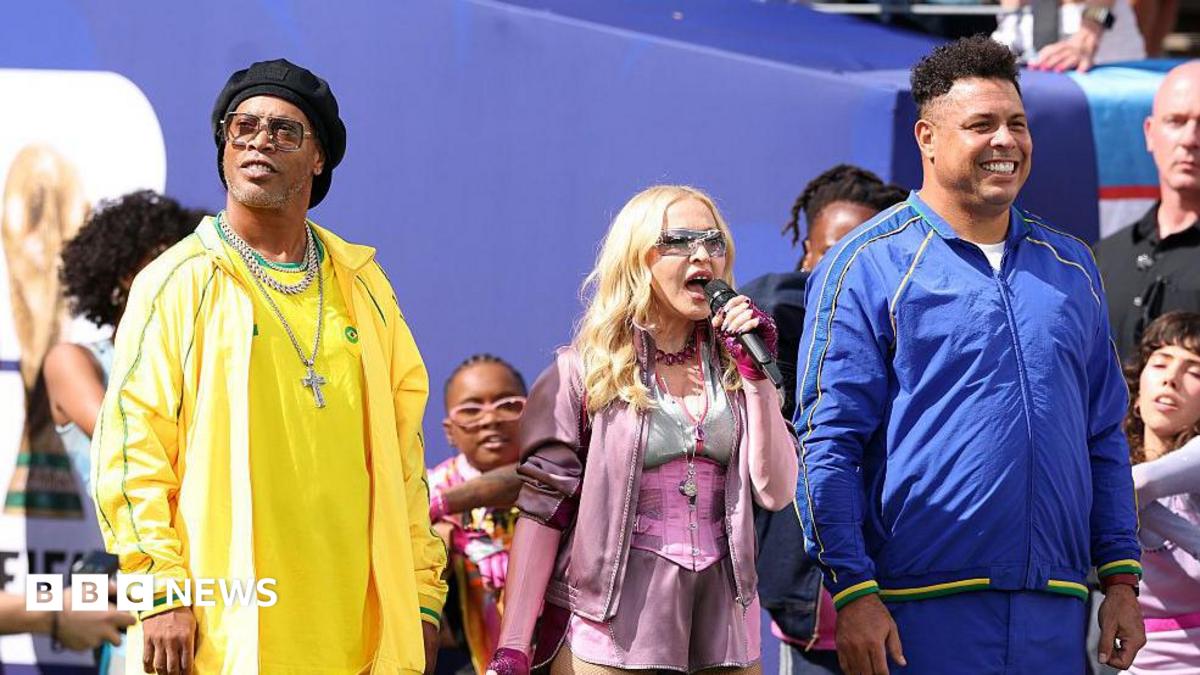
The 2026 World Cup final wasn't just decided by the 120 minutes of football on the pitch between Argentina and Spain. It was decided by the sheer, unadulterated madness that broke out during halftime. Somewhere between a tactical masterclass and a Las Vegas residency, we watched Madonna, Justin Bieber, BTS, Shakira, Robbie Williams, and Jennifer Hudson cram themselves into a single window. It felt like someone handed the aux cord to a hyperactive teenager with a limitless budget.
Initial reactions on the socials were predictably split between pure joy and what I can only describe as existential confusion. You have the people who grew up with the 2010s radio hits absolutely losing their minds because Shakira and Robbie Williams hit the stage. Then, you have the tactical nerds who were just trying to analyze Argentina's high press and felt their brain cells melting as the glitter cannons went off.
The trenches of the internet
The enthusiasts are clearly winning the engagement war on this one. If you check the forums, the consensus is that if you aren't entertained by seven A-list stars performing on one turf, you might be dead inside. One user on the main match thread noted that seeing BTS transition into a classic track felt like a glitch in the simulation, but a fun one. It captures that stadium energy where logic takes a backseat to volume.
Then you have the skeptics, the people who treat football like a religious experience. They are currently posting long-form critiques about how the halftime show ruined the rhythm of the game. Dealing with a massive concert while the players are supposedly trying to recalibrate in the locker room for the second half is a logistical nightmare. It’s hard to stay hyped about a defensive block when your retinas are still stinging from the light show.
The contrarian corner
Of course, the internet loves a contrarian. There is a vocal minority arguing that the whole spectacle was a cheap cash grab that ignored the actual history of the host nation. They point out that instead of a cohesive musical identity, we got a playlist that sounded like a random shuffle on a flight to nowhere. It wasn't the worst show I've seen, but let’s be real, the transition from Argentinian grit to Bieber’s hit list was jarring at best.
- Pro-hype crowd: Loving the scale of it.
- Tactical purists: Hating the disruption to the flow.
- Cultural critics: Confused by the lack of cohesive theme.
Between the wild performance list and the high stakes of Argentina versus Spain, the 2026 World Cup final became the most meme-able event in recent memory. If you aren't laughing at the sheer audacity of this booking, you need to lighten up. It was a bizarre, disjointed, spectacular mess.
The verdict from the cheap seats
My take? The industry is obsessed with trying to outdo the past. We had Robbie Williams sharing airtime with BTS in a way that felt like a corporate board meeting decided to make everyone happy at once. It lacked soul, sure, but it hit the dopamine receptors hard enough to keep five billion people watching. I’d argue that if you want art, go to a museum. If you want a spectacle, this was the peak.
The real issue isn't the artists. It’s the ambition to turn a football match into a Super Bowl clone. We don't need a Broadway production every time the ball stops moving. Watching a tactical breakdown interrupted by a pop dance-off is like trying to eat an artisanal steak while someone blasts air horns in your face. It works for the algorithm, but it might actually be killing the vibe of the beautiful game.
Ultimately, football survives these moments because the game itself is usually better than the circus. Argentina and Spain played an intense match that kept us watching in the 94th minute, even if we were still humming a pop song from ten minutes ago. We’ll look back on this show as a high-water mark for stadium decadence. Just don't let it become every match's reality, or we might actually see the hardcore fans start a riot.
Read Next
- England’s World Cup finish comes with physical toll amid mounting squad frustration
- Spain looks to bully Argentina off the pitch in this World Cup final
- Top 10: The Definitive Moments of the 2026 World Cup Cycle
- Erling Haaland's strange World Cup comments are still triggering fans
- 🏆 World Cup 2026 — Full Coverage Hub