Physical fallout in Miami after chaotic bronze medal win
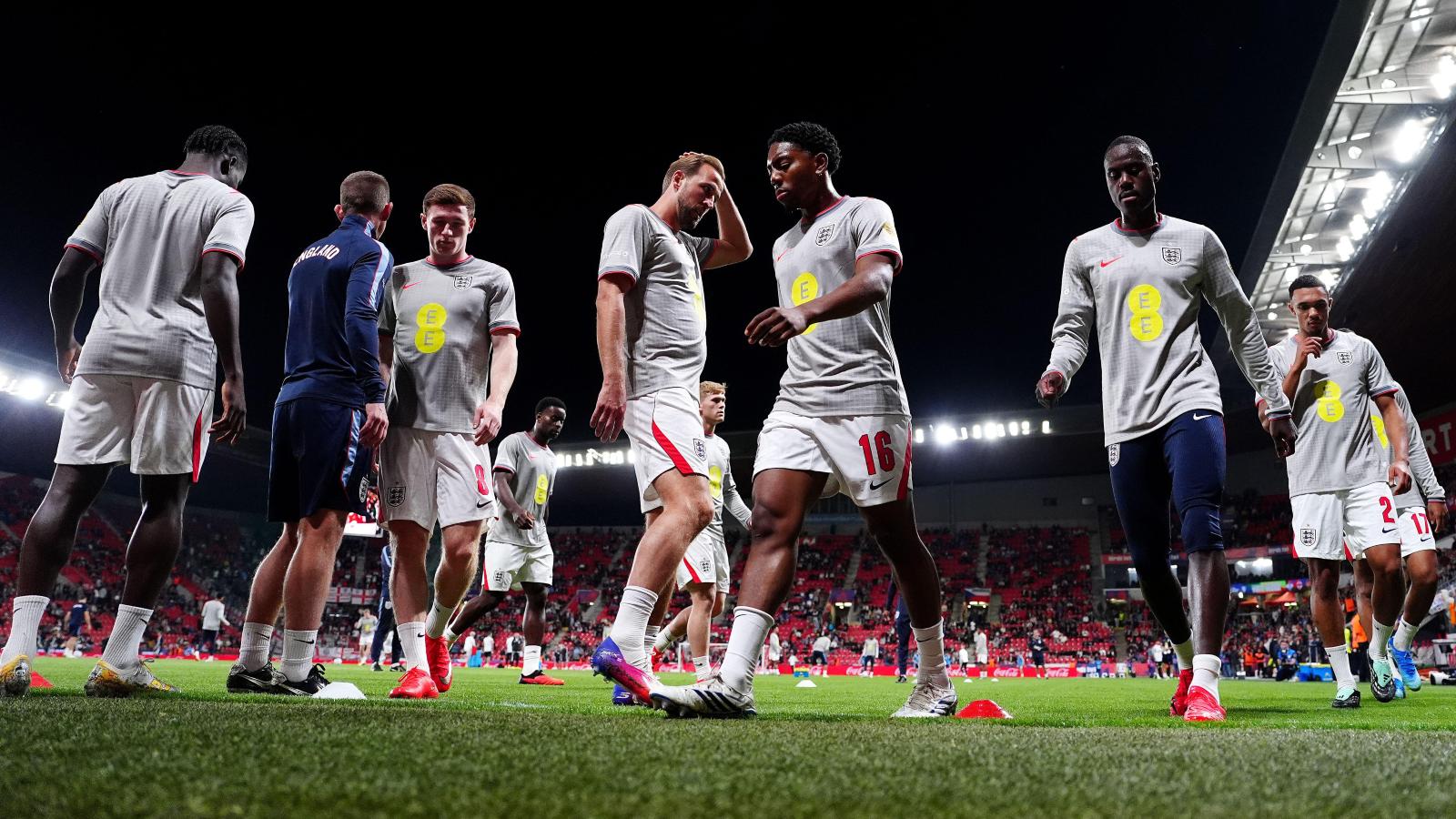
England secured a 6-4 victory over France on Friday night in Miami, but the final whistle at Hard Rock Stadium brought immediate concern regarding player health. While the high-scoring affair captured headlines, medical staff tracked a series of knocks that occurred during a frantic second half. The extreme humidity in South Florida compounded the fatigue of a tournament that has pushed depth charts to their breaking point.
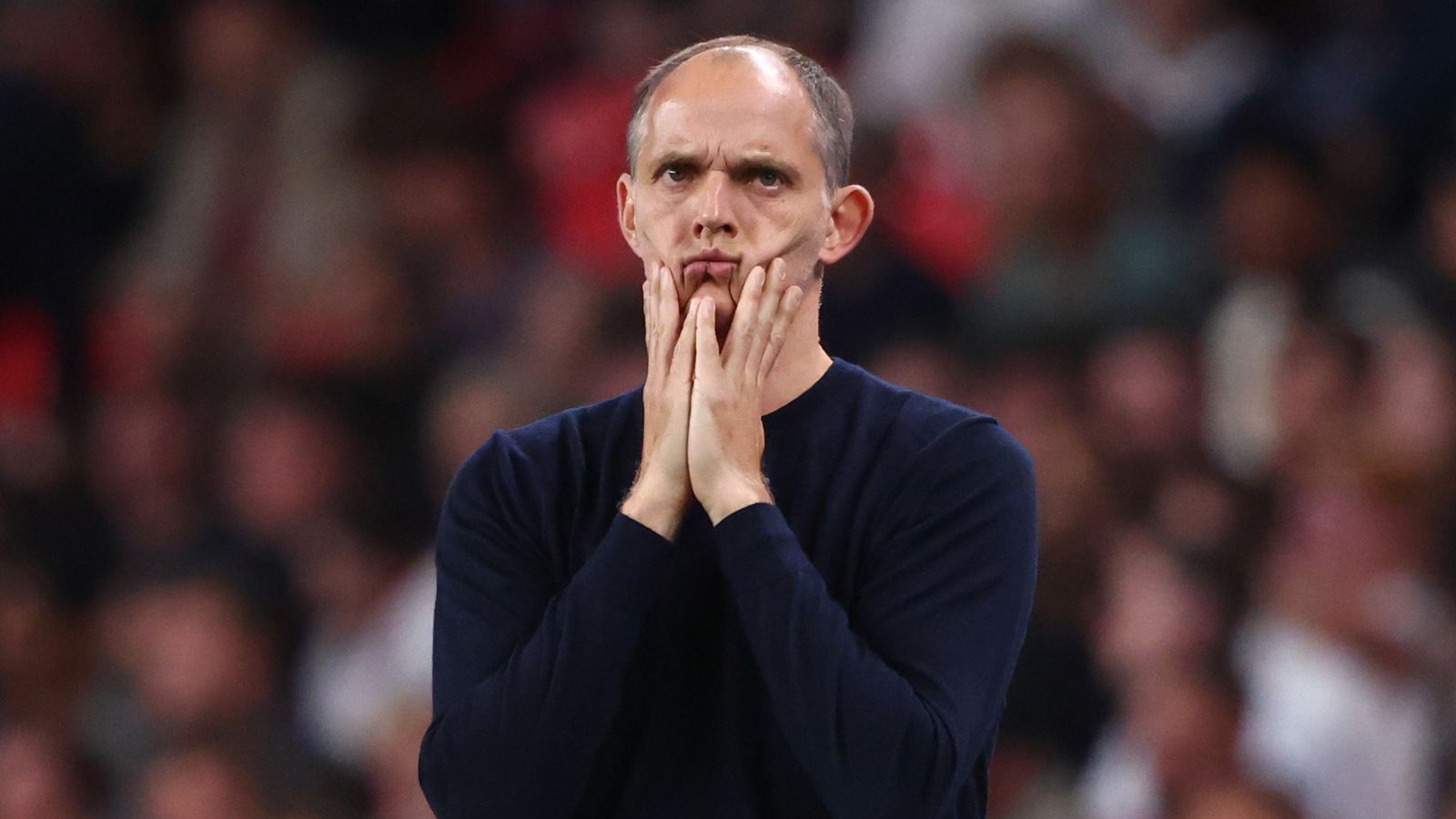
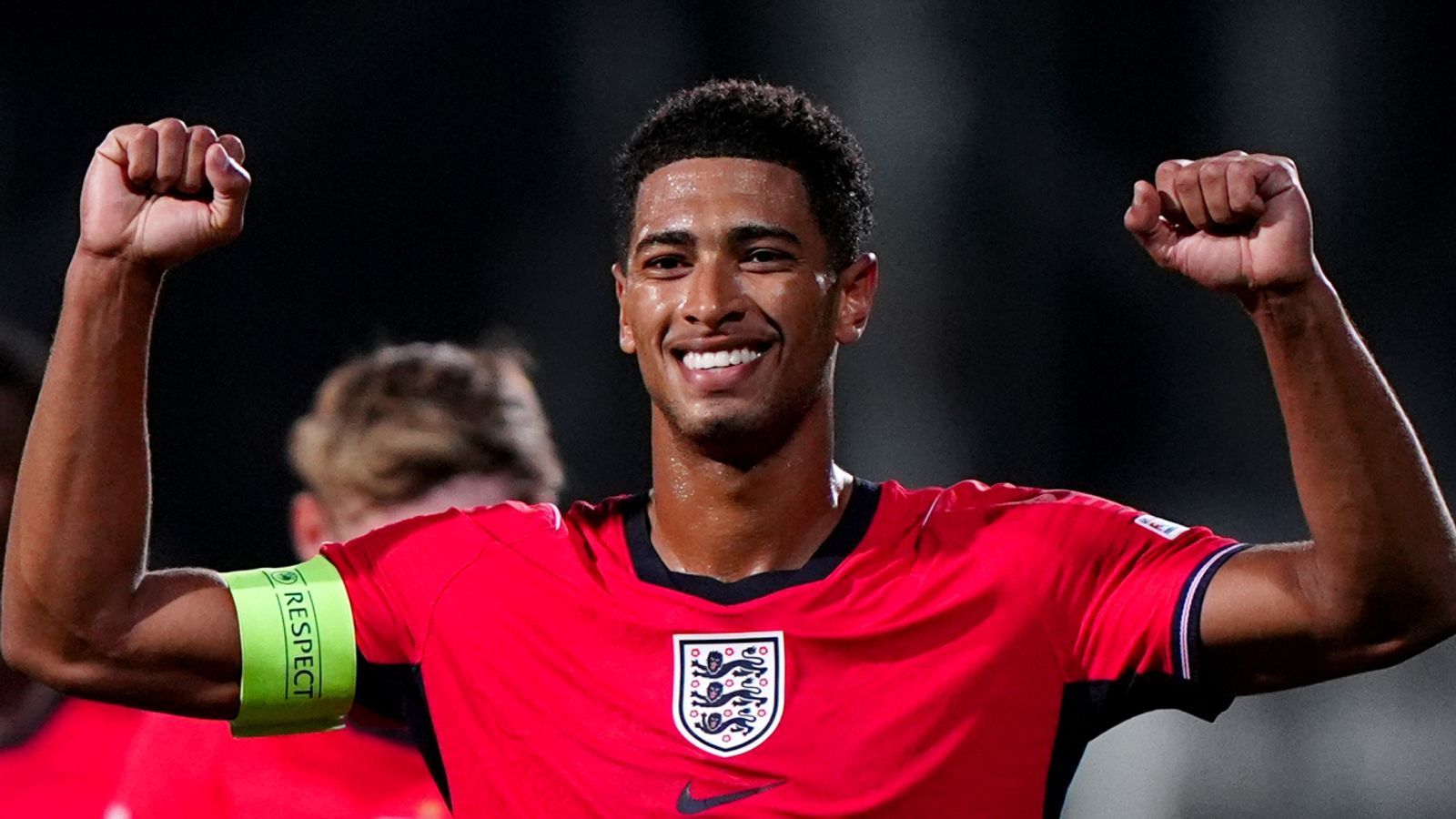
As reported by The Guardian, the performance displayed signs of structural exhaustion. Several England squad members finished the match visibly hobbling as Thomas Tuchel rotated a lineup that left captain Harry Kane and Jude Bellingham on the bench for the duration of the opening hour. Staff sources indicate that while major soft-tissue ruptures were avoided, the accumulation of recurring minor strains remains a primary point of friction within the dressing room.
The hidden cost of the third-place fixture
The fixture itself has drawn sharp criticism from stakeholders who argue the game serves little purpose given the proximity to the Sunday final between Argentina and Spain. FourFourTwo analysis highlighted that players showed signs of psychological and physical detachment from the start. For the medical team, this manifests as an increased risk of injury; players operating at 80% intensity—but with 100% of the contact risk—are statistically more prone to compensatory movements that lead to grade-one muscular tears.
Historically, the third-place play-off has been viewed as a competitive anomaly, but medical data from the last three cycles suggests it is a net-negative for club re-integration. England players, having spent weeks in hyper-monitored camps, are now entering a transition phase where recovery management becomes the priority over conditioning. The medical staff has opted for extended light-duty sessions for the starting XI to minimize the risk of lingering issues heading into the pre-season.
Strategic implications for upcoming club seasons
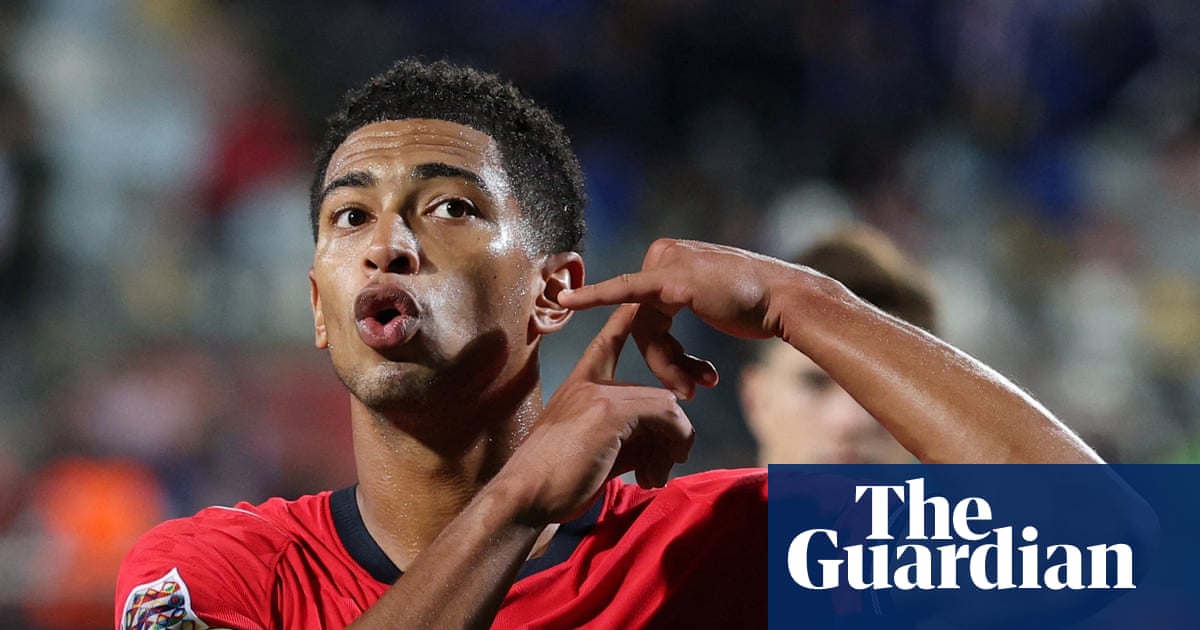
The physical fatigue is now a concern for Premier League sides, specifically Arsenal and Manchester City, who provided the core of the starting squad in Miami. Bukayo Saka played the full duration during his hat-trick performance, but the intensive sprints in humid conditions have raised alarms about his workload management. Daily Mail reports suggest that Arsenal executives are monitoring these reports closely to assess whether a post-tournament hiatus is mandatory rather than optional.
Tuchel’s decision to play a high-octane transitional game has been framed as a tactical choice, but some squad members have privately questioned the necessity of the defensive risks taken during the final 20 minutes. The result—a 10-goal thriller—was good for the neutral but inefficient for maintaining physical integrity. The team is now reportedly looking to defer non-essential athletic requirements until the group returns to domestic training facilities next week.
Institutional tension and future protocols
Beyond the pitch, the administrative side of the tournament has drawn ire, with local politicians in New Jersey attacking FIFA’s handling of physical assets like the playing surfaces at MetLife Stadium. This tension mirrors the dissatisfaction found within the playing squads regarding logistical overload. The demand for maximum performance in a game with no trophy at stake has left players rightfully skeptical of the current tournament scheduling.
The medical team is expected to issue a formal clearance report by Monday. Unless an unforeseen set-back occurs during the flight back to Europe, the majority of the squad will bypass surgery, focusing instead on active recovery protocols. While the team secured a third-place finish, the lingering frustration regarding injury risk and travel logistics suggests that the tournament format will undergo serious heat when the international football calendar is re-assessed in the autumn.
Read Next
- England’s tactical fragility suggests a crash is coming
- England's World Cup hangover is officially here
- Spain looks to bully Argentina off the pitch in this World Cup final
- Top 10: The Definitive Moments of the 2026 World Cup Cycle
- 🏆 World Cup 2026 — Full Coverage Hub
- 🏴 England World Cup 2026 — Three Lions Hub