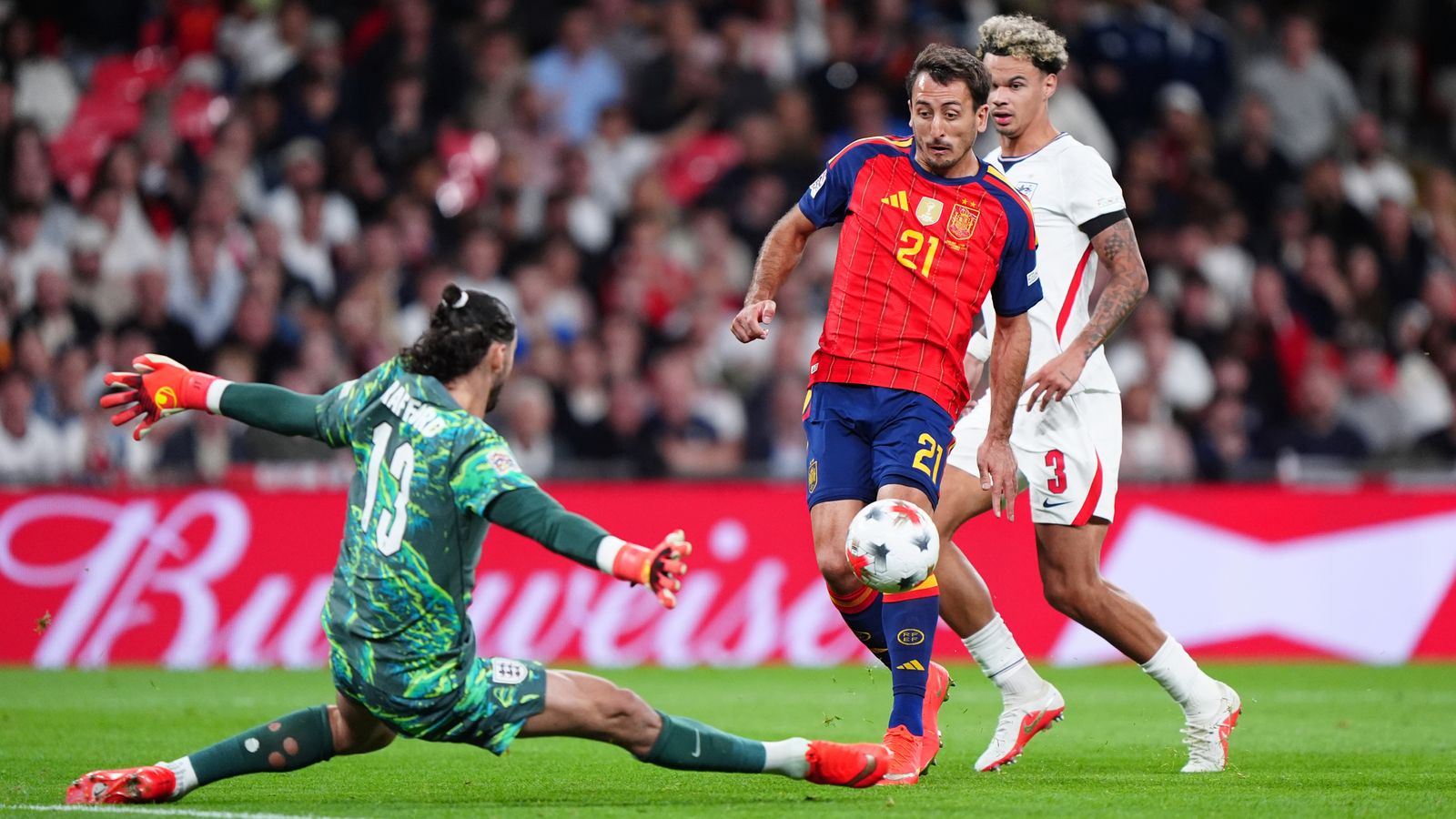
The half-time trap at the 2026 World Cup final
FIFA is deviating from standard football protocol for Sunday’s World Cup final between Spain and Argentina. The match will feature an extended half-time window to accommodate a musical production. While the entertainment aims to capture the global spotlight, the move complicates the physical requirements for elite athletes cooling down mid-match.
Standard half-time duration sits at 15 minutes. Professional performance staff typically treat this window as a recovery phase that lasts no longer than 20 minutes including injury time, keeping core body temperatures elevated. Extending this window to accommodate a multi-act setup risks physical stagnation for players.
Muscular tension and blood flow parameters drop significantly after 20 minutes of inactivity. When athletes return for the second half, the cold-start risk increases. This is particularly problematic for players carrying pre-existing muscle fatigue or minor strains from this tournament’s grueling schedule of high-intensity play. The human body is not a clockwork machine that restarts on command.
Historical context on prolonged breaks
Major sporting bodies often struggle with reconciling entertainment with competitive integrity. Historical precedents in long-form events—such as the Super Bowl—show that extended intermissions force clubs to create interior warm-up circuits. Players are often required to wear additional leggings or thermal tops to prevent lactic acid buildup in the calves and quads during the forced downtime.
This is not the first time FIFA has experimented with performance-based interruptions. Previous tournament finales have trended toward longer Opening and Closing ceremonies, but the decision to inject this into the match rhythm of a championship final remains a point of contention for fitness coaches. Physiotherapists worry about the increase in non-contact soft tissue injuries during the first 10 minutes of the restart.
Tactical and medical implications
The medical departments of both Spain and Argentina are reportedly planning bespoke protocols for Sunday. Expect to see players cycling on stationary bikes on the sideline or utilizing compression massagers to maintain blood flow while the stage hands clear the turf. If they do not, the likelihood of a mid-half muscle pull increases by a measurable margin.
Strategic concerns mirror medical ones. Managers usually use the 15-minute window to adjust tactical shapes, correct errors, and settle the adrenaline pulse of the team. Stretching this time out shifts the psychological momentum. It turns a tactical reset into a public relations segment, often stripping the squad of the collective focus required to execute high-stakes tactical shifts.
The scheduling choice reflects a broader push to treat football as an entertainment product rather than a strictly athletic event. While commercial growth remains the goal, the players are the ones bearing the internal cost. A botched recovery post-half-time often leads to a sluggish 50th or 55th minute, potentially swaying the outcome of a game that should be decided by legs, skill, and grit.
Why this matters for the sport
The industry is watching the execution of this technical setup closely. If the turf is damaged by equipment or if the restart is delayed, FIFA will face heavy criticism from participating nations. The turf quality at Hard Rock Stadium is already under scrutiny after several high-intensity matches, and heavy stage rigging rarely improves grass health for the second 45 minutes of play.
There is also the matter of player hydration and blood glucose levels. Athletes usually consume specific carbohydrates during the standard 15-minute break to refuel. A longer, distracted break often causes players to miss these windows or consume supplements at the wrong temperature, leading to gastrointestinal distress or mid-half sugar crashes.
Ultimately, the world is waiting for the Spain vs Argentina clash to provide the final answer to which team deserves the trophy. It is a failure of logic to prioritize a light show over the equilibrium of the athletes. Fans refresh their feeds to see goals and tactical brilliance; they are less interested in the logistics of center-pitch equipment removal.
If a key player suffers a hamstring or calf issue in the second half, the conversation will immediately pivot to the length of the break. The tournament has been characterized by sharp, technical football. Introducing an unnecessary variable in the final 90 minutes of the competition is a gamble that puts the peak athletic performance of the finalists at unnecessary risk. It is a decision that favors viewers in the nosebleeds rather than the professionals on the pitch.
Read Next