The defensive drift at the 2026 World Cup
International football is currently trapped in a cycle of risk aversion. As we reach the semi-final stage of the 2026 World Cup, the data reflects a tournament dominated by spatial control rather than attacking flair. Spain, France, England, and Argentina have effectively abandoned high-octane transitions in favor of rigid defensive blocks.
The numbers highlight this shift. Across the quarter-final fixtures, the average Expected Goals (xG) per match plummeted to 1.12, down from 1.68 in the group stages. These four nations are not playing to create; they are playing to ensure they do not concede.
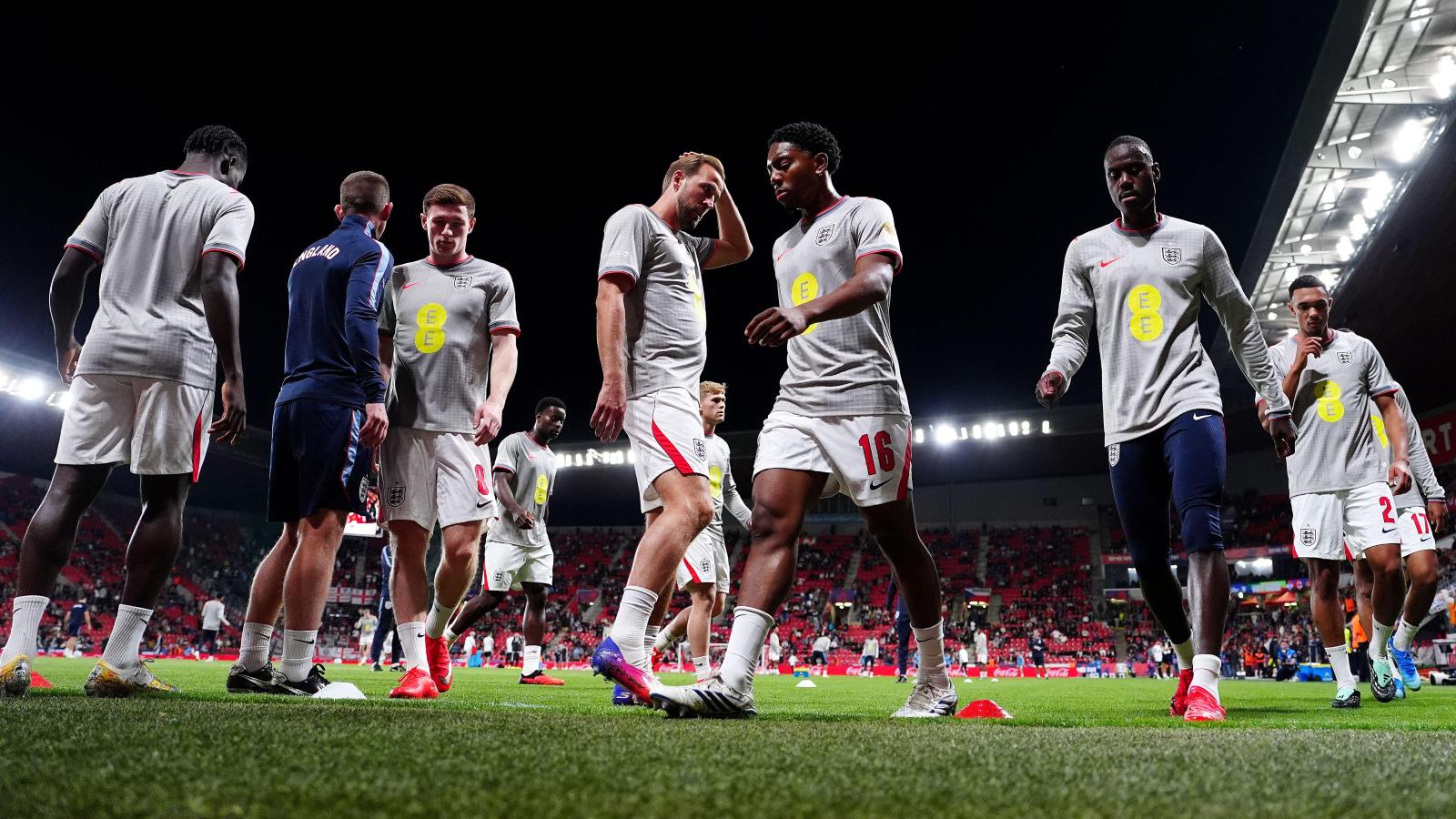
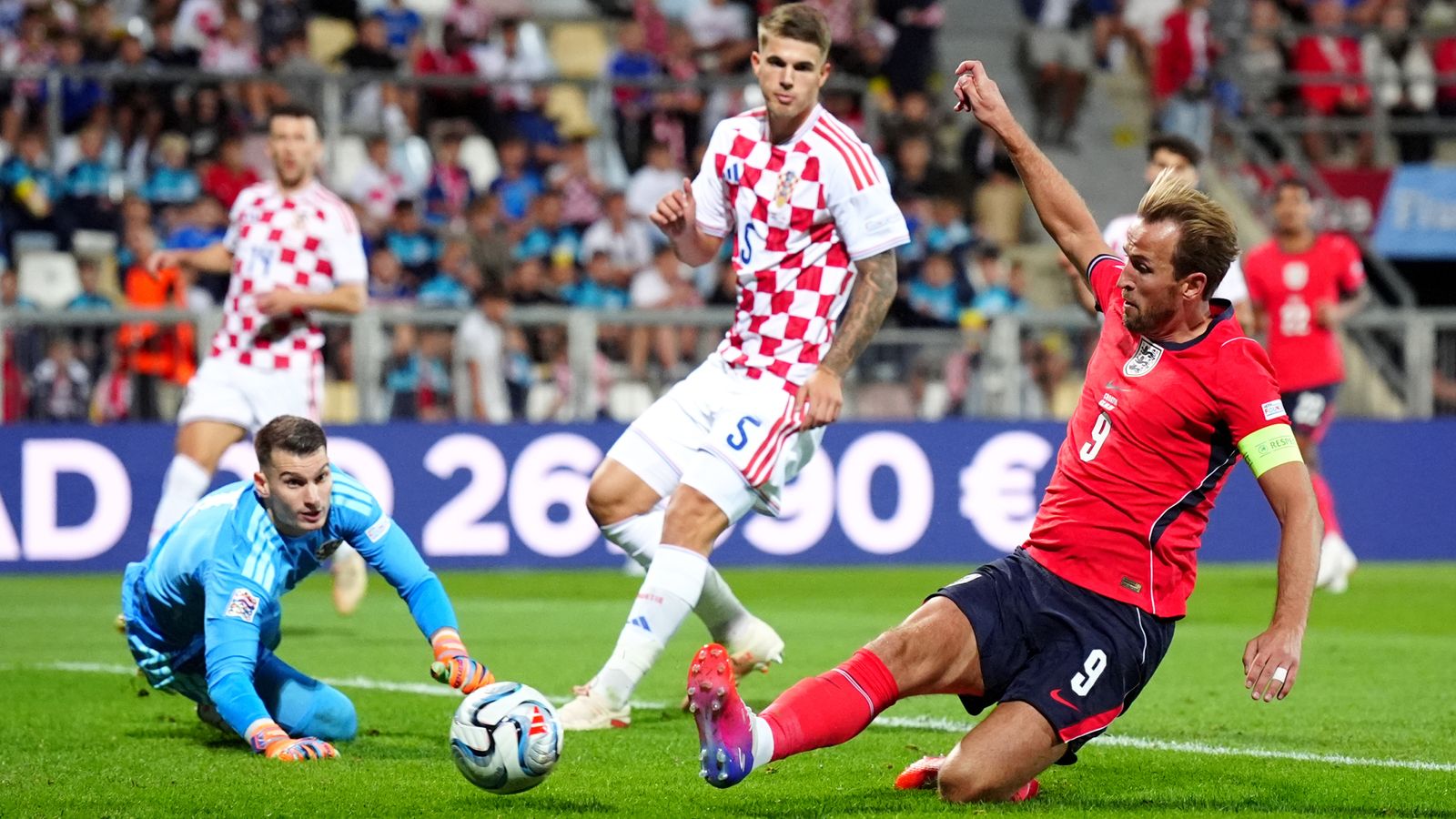
Tuchel’s England and the struggle for coherence
Thomas Tuchel’s England side remains a statistical anomaly. They are winning, but the underlying metrics paint a portrait of a team under constant pressure. Despite advancing, they have failed to register more than 48% possession in three of their last four matches.
Tuchel himself noted after his most recent narrow victory that he was not happy with the performance quality. This disconnect between result and reality is evident in their passing accuracy, which has hovered at a mediocre 78% during the knockout rounds. As noted in assessments of recent tournament movements, the squad lacks the connective tissue required to dominate elite opponents.
Scaloni’s trap and the pragmatism problem
Argentina entered these semi-finals having conceded only 0.4 goals per match throughout the tournament. Lionel Scaloni has prioritized structure, moving his defensive line back by approximately 5 meters from his previous setups to mitigate space behind the center-backs. It is a cynical, calculated move that has starved opponents of genuine counter-attacking opportunities.
I am not happy with the performance quality. — Thomas Tuchel
The tactical trend is clear. Coaches are retreating into their shells, prioritizing clean sheets over shot volume. This tournament has averaged just 8.4 shots on target per game, the lowest figure since the 1990 tournament in Italy. Whether this trend continues into the final remains a point of contention for tactical purists who argue this conservative approach stifles the spectacle.
Statistical variance in the final four
The contrast between these semi-finalists and the more expansive teams eliminated earlier is stark. Spain, for instance, has completed an average of 612 passes per match, yet their final third entry rate has dropped to 14% of total touches, down from 22% during their qualification campaign. They are moving the ball, but they are moving it laterally to maintain defensive shape.
This suggests that international management is currently undergoing a structural reset. When managers like Tuchel are openly critical of their own winning teams, it signals that the current 1-0 scoreline success rate is becoming an unsustainable requirement for deep tournament runs. Fans hoping for a shift toward high-pressing aggression at this late stage are likely to be disappointed. The data confirms that in the face of elimination, the instinct to protect space currently beats the ambition to create it.
Read Next
- England vs Argentina: The tactical cage trap is failing at the wrong time
- Declan Rice played through the sickness and it shows in his numbers
- Thomas Tuchel played a risky game and somehow didn't crash the car
- England’s defensive gamble is working despite the Pickford problem
- 🏆 World Cup 2026 — Full Coverage Hub