The DR Congo Escape Exposed England's Broken Engine
England spent ninety minutes on Wednesday flirting with the ultimate humiliation. Only a late, desperate rescue job saved them from a group-stage exit against DR Congo. For anyone tracking the tactical shapes, it was a diagnostic report on a broken system.
On Wednesday, England's build-up phase was completely broken. Under pressure from DR Congo's mid-block, England's center-backs were forced into sideways passes. The lack of a progressive passing option in the pivot space meant that the ball rarely reached the final third cleanly.
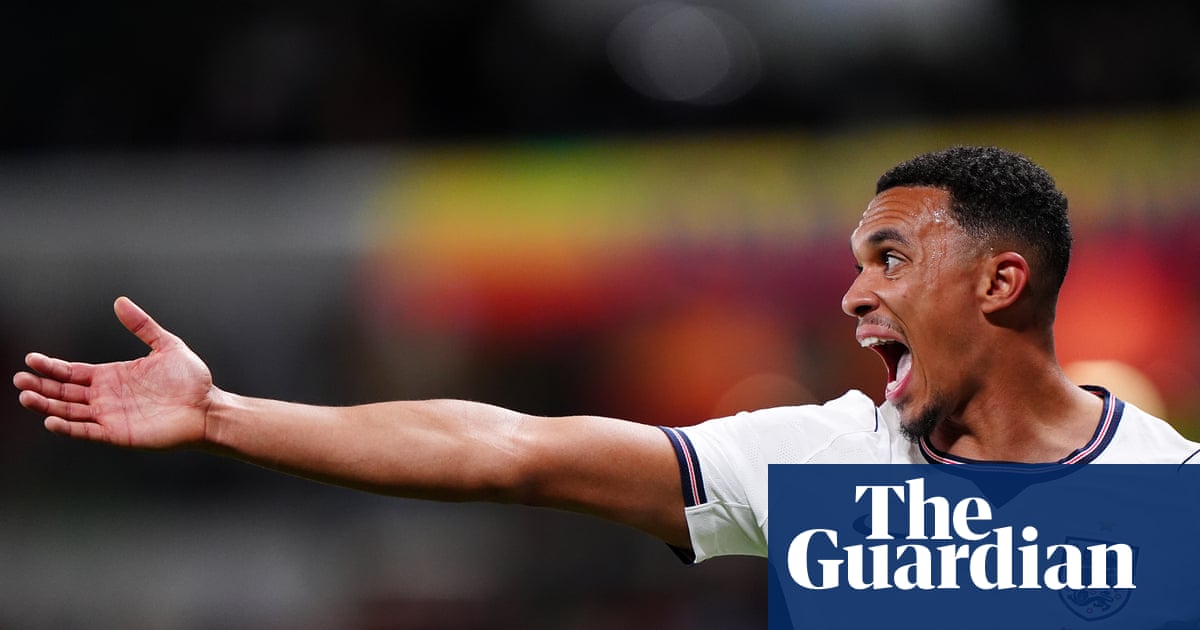
This forced their captain to abandon the penalty box and drop into his own half just to receive a pass. It was a familiar, painful sight. Instead of occupying the opposing center-backs, he was operating as a deep-lying midfielder, desperately trying to jumpstart a stalled engine.
His heat map from the match shows a player operating primarily in the center circle, miles away from the zone where he is lethal. When he dropped deep to help, he vacated the central striker position. This meant that when England did cross or try to play a vertical pass, there was no one in the penalty area to receive it.
It created a tactical paradox. The only player who could progress the ball was also the only player who could finish the attack. Even if his decisive thump in the 89th minute eventually spared England's blushes, the process was entirely unsustainable.
The statistics from Wednesday tell a grim story of a world-class striker starved of service. England cannot expect to win knockout matches with a forward line this disconnected.
Why Mbappe Will Take the Boot While Kane Droops Deep
The race for the Golden Boot is being billed as a heavyweight clash between Kane, Kylian Mbappe, and Lionel Messi. The star-studded competition is expected to go right down to the wire, as The Daily Mail reported. But we need to look past the raw goal tallies and examine the underlying numbers.
Messi is playing in a system designed to maximize his central presence, surrounded by industrious runners who cover his defensive deficiencies. Mbappe has a French midfield capable of feeding him in transition, allowing him to exploit high defensive lines with vertical runs. This direct, transition-focused style under Didier Deschamps is built to create high-value chances.
Mbappe is averaging high expected goals per shot because he is receiving the ball in high-value zones inside the box. Kane, by contrast, is currently averaging just three shots per ninety minutes at this tournament. His total expected goals yield is remarkably low, suggesting he is feeding on scraps and converting low-probability chances.
His goals against DR Congo were moments of individual brilliance, not systemic design. When your primary goalscorer is forced to make only six touches in the opposition box over ninety minutes, your offensive ceiling is incredibly low. England will likely exit in the next round, ending his pursuit of the individual trophy.
Mbappe, playing inside a functional French machine, will coast to the Golden Boot. The difference is not talent, but the tactical structure behind them. While France generates high-value opportunities, England remains dependent on individual rescue acts.
The £237 Million Midfield That Rebuilds Tottenham
While England struggles with basic possession play, Tottenham is quietly building the exact system their former talisman has missed for years. Daniel Levy has approved a massive summer spending program that represents a complete departure from their usual caution. Spurs have already committed a total of £237 million to reshape their squad.
This early business shows a level of ambition that is foreign to the club's recent history. They are targeting specific midfield profiles rather than buying speculative prospects. The arrivals of Sandro Tonali and Mateus Fernandes completely alter the team's tactical baseline.
For years, the creative burden in North London fell entirely on Kane, forcing him to drop deep and play two roles at once. He had to be both the playmaker and the finisher. Now, Tottenham has a midfield capable of sustaining possession and recycling second balls in the final third.
As discussed in the analysis of Tottenham's recent transfer business, this outlay suggests they are starting to look like a serious football club again. Tonali provides the defensive bite and vertical passing that Spurs have lacked since Mousa Dembélé's prime. Fernandes offers the neat, press-resistant carrying in the half-spaces that unlocks low blocks.
Together, they create a platform that allows a central striker to focus entirely on finishing. It is a setup tailor-made for a clinical finisher who wants to stay in the penalty area. If Kane was playing ahead of this midfield, he would not need to drop forty yards to find the ball. He would be receiving passes in the zone where he can actually do damage.
The Homecoming is Inevitable
This tactical shift is not a coincidence. Levy is building the nest, and the target is clear. The narrative is already spinning in North London about a potential homecoming.
After saving England from World Cup elimination on Wednesday, Kane has once again proved he is the ultimate savior. But he cannot carry mediocre teams forever. His move to Bayern Munich has not delivered the trophies he was promised, and the allure of returning to a functional, wealthy Tottenham is growing.
The prediction is clear. Kane will secure his return to Tottenham by August, realizing that the new midfield gives him the perfect platform to break the Premier League goal record. Meanwhile, Mbappe will claim the World Cup Golden Boot as England's tactical disorganization catches up with them in the Round of 16.
Read Next
- Why England face a tactical nightmare at the Azteca
- Medicals and World Cup mileage dominate Scottish Premiership summer
- England fans are already panic-buying oxygen tanks before Mexico City
- Why Tottenham's £185m midfield rebuild could easily backfire
- 🏴 England World Cup 2026 — Three Lions Hub
- 🏆 Europa League Final 2026 — Full Coverage Hub