Scottish Premiership clubs are hitting a summer medical bottleneck. With transfer business accelerating and the World Cup draining player reserves, medical departments are working overtime. From veteran tests to tournament fatigue, the physical demands are shaping the window.
The High Stakes of Transfer Medicals
Clark Robertson is traveling to Brunei this weekend. The 32-year-old former Dundee centre-back has agreed a one-year deal with Brunei DPMM, as reported by Sky Sports News. He must pass his medical examinations before finalizing the paperwork.
Signing a 32-year-old defender is always a medical gamble. DPMM's doctors will scrutinize Robertson’s joint history and tendon elasticity. The extreme humidity in Brunei adds cardiovascular stress to the fitness equation.
Club doctors focus heavily on joint degradation and previous soft-tissue damage during these assessments. Robertson's medical team will look closely at knee cartilage and Achilles tendon health. A history of strains can lead to scar tissue, which reduces muscle elasticity and increases the risk of recurrence.
In tropical climates, cardiovascular screening and heat tolerance tests are critical parts of the protocol. Robertson will need a structured acclimatization period of at least two weeks to adapt to the heat and prevent dehydration-related muscle cramps. The move is a significant physical transition after years of playing in the cooler Scottish climate.
Dundee took a different route with Luke Graham. Stoke City agreed a £2 million fee plus add-ons for the 20-year-old defender. Graham completed 40 appearances last season and won Dundee’s young player award.
Graham represents peak physical durability for his age. Stoke’s medical team will check his growth plates and core load limits to prevent stress fractures. Selling him now allows Dundee to cash in before potential overuse injuries deplete his value.
Stoke’s medical staff will evaluate how Graham's body handled last season's heavy workload. At 20, the skeletal system is still maturing, and overuse injuries like stress fractures are a constant threat. His inclusion in Scotland's World Cup pre-camp training squad shows his physical development is tracking well.
World Cup fatigue and the transfer market
The active World Cup is complicating squad planning for Rangers boss Derek McInnes. Midfielder Nicolas Raskin is currently with Belgium, who scraped into the last-16. The physical toll of summer tournament minutes on top of a heavy domestic campaign is severe.
Raskin's performances have attracted Real Betis and two unnamed Italian clubs. But his high mileage increases the risk of early-season hamstring tears. If he moves, his new club must mandate a recovery window.
"The World Cup is a great stage and obviously Nico [Raskin] has done well. There will be natural progression for a lot of players."
McInnes’s comments to Sky Sports highlight the dilemma clubs face during summer tournaments. The exposure increases a player's valuation, but the physical load increases their injury risk. Returning to action too quickly after international duty is the leading cause of early-season hamstring tears.
Rangers are already insulating their midfield. They secured Dan Neil on a three-year contract after his Sunderland deal expired, choosing Ibrox over Southampton. Unlike Raskin, Neil had a full summer break and enters pre-season completely fresh.
The acquisition of Neil provides McInnes with a ready-made option who has already completed his physical screening. Sunderland's sports science department had cleared Neil of any chronic back issues, which made the free transfer a low-risk medical acquisition for Rangers. McInnes is building a deep squad to handle the physical demands of the upcoming campaign.
Rangers take a gamble on goalkeeper stability
Hull City have confirmed the signing of goalkeeper Jack Butland from Rangers. The 33-year-old signed a two-year contract with a club option for a third year. Butland played every minute of Rangers' campaign last season.
Rangers’ decision to sell their most durable asset for just £3 million is highly questionable. They replaced Butland with Ivan Pandur, who moved the other way from Hull. Pandur has a younger profile but lacks Butland's proven durability.
"The European nights and all the experience I gained up in Scotland, and my experience prior to that, are going to set me up perfectly for the challenge ahead this year."
Losing Butland's availability leaves Rangers vulnerable in goal. Keeping a goalkeeper fit for 38 games requires elite recovery protocols. Replacing him with an unproven keeper could backfire when the season kicks off at Dundee Utd on July 31, 2026.
Goalkeepers over 30 require detailed maintenance to manage spinal loading. Constant diving and landing on hard ground puts immense pressure on the lumbar spine and shoulders. Butland's perfect fitness record is a credit to his daily core stability routines, which Hull's medical staff verified through MRI scans.
Rangers are also tracking Bologna star Lewis Ferguson. The midfielder is recovering from a major knee reconstruction. Any deal will require extensive orthopaedic clearance to verify his quad strength balances his repaired ligament.
Ferguson's recovery from a ruptured cruciate ligament is a key factor in any potential transfer. A player returning from an ACL injury requires extensive biomechanical testing. The medical team must ensure his graft has fully matured and his knee displays no residual laxity before they authorize a multimillion-pound contract.
Striker loading and physical adaptation
Motherwell striker Tawanda Maswanhise is on the radar of Anderlecht and Celtic. The 23-year-old Zimbabwe international topped the league scoring charts last season with 17 goals, according to Sky Sports' transfer reports. His explosive style puts heavy load on his posterior chain.
Maswanhise relies on high-speed running metrics to beat defenders. This explosive acceleration puts high stress on his rectus femoris and biceps femoris muscles. Anderlecht's medical department is known for its rigorous hamstring profiling, which will be a key part of his transfer assessment.
Celtic are also negotiating with Qarabag for Colombian forward Camilo Duran. The 24-year-old scored 15 goals last season, including five in the Champions League. His transition from Azerbaijan's slower tempo to the SPFL’s physical style will require careful load management.
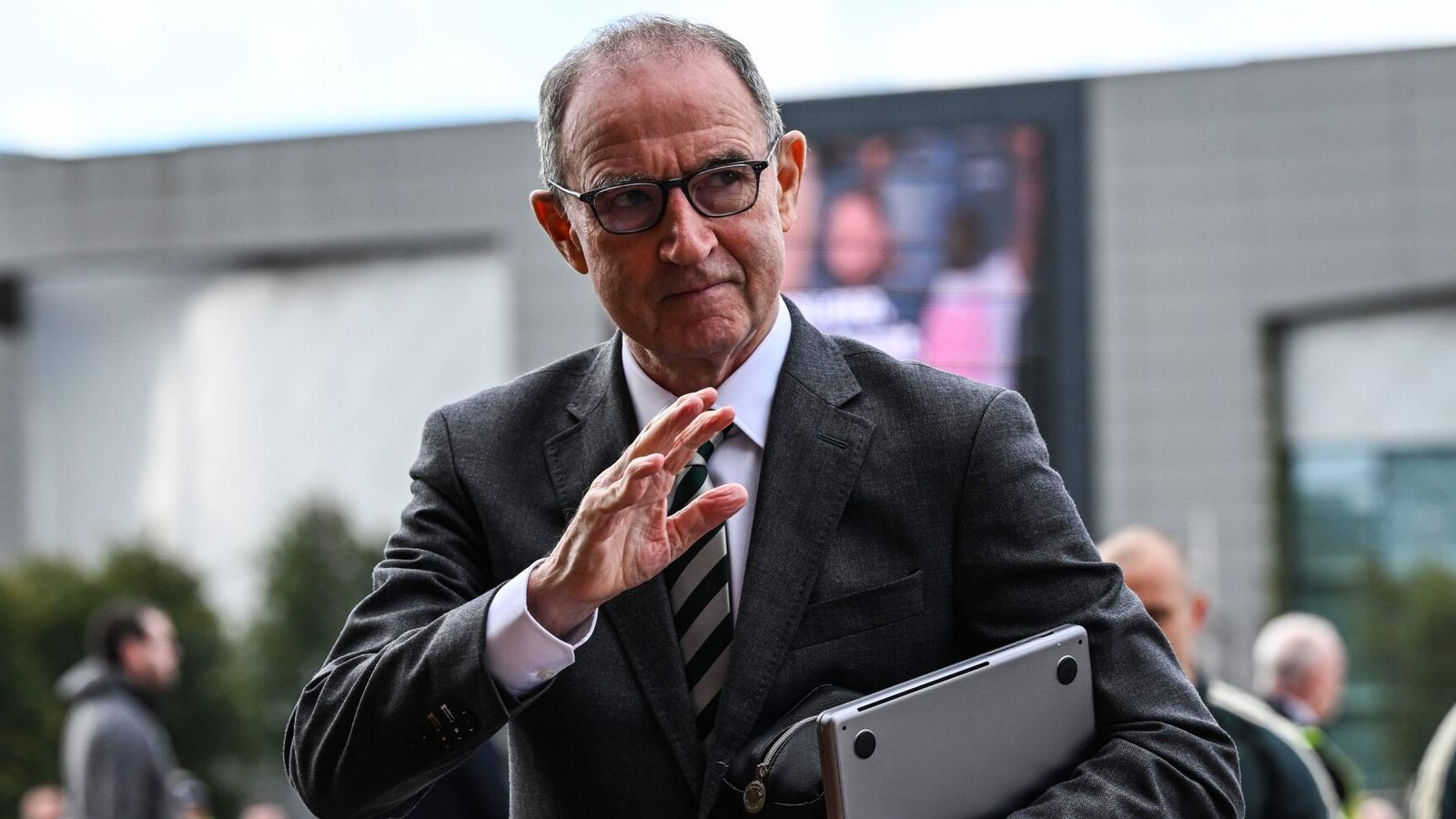
The SPFL’s physical style of play and damp pitches can cause joint soreness for players accustomed to drier, slower surfaces. Duran’s medical will include deep scans of his ankle joints to check for pre-existing micro-fractures. Celtic manager Martin O’Neill will want to ensure Duran's body is robust enough for the heavy winter pitches in Scotland.
McInnes has added Ben Godfrey on loan from Atalanta and Ross McCrorie to his defensive line. But the physical integration of these new signings must be fast. With the opener weeks away, the race for match fitness will decide the early title race.
The combination of a summer World Cup and early transfer activity has forced medical departments to work overtime. Clubs are no longer just looking at a player’s skill; they are analyzing load data and injury history. With the league starting in less than a month, the battle for physical readiness has already begun.
Read Next
- Why Craig Gordon's physical battle might finally be over
- Rangers raid Hearts while Celtic fans melt down over zero signings
- Europe is finally paying premium prices for Scottish Premiership talent
- Derek McInnes is targeting Lewis Ferguson for his massive Rangers rebuild
- 🏆 World Cup 2026 — Full Coverage Hub
- ⚽ Scottish Premiership 2025-26 — Celtic vs Rangers Hub