The Tactical Stagnation in Atlanta
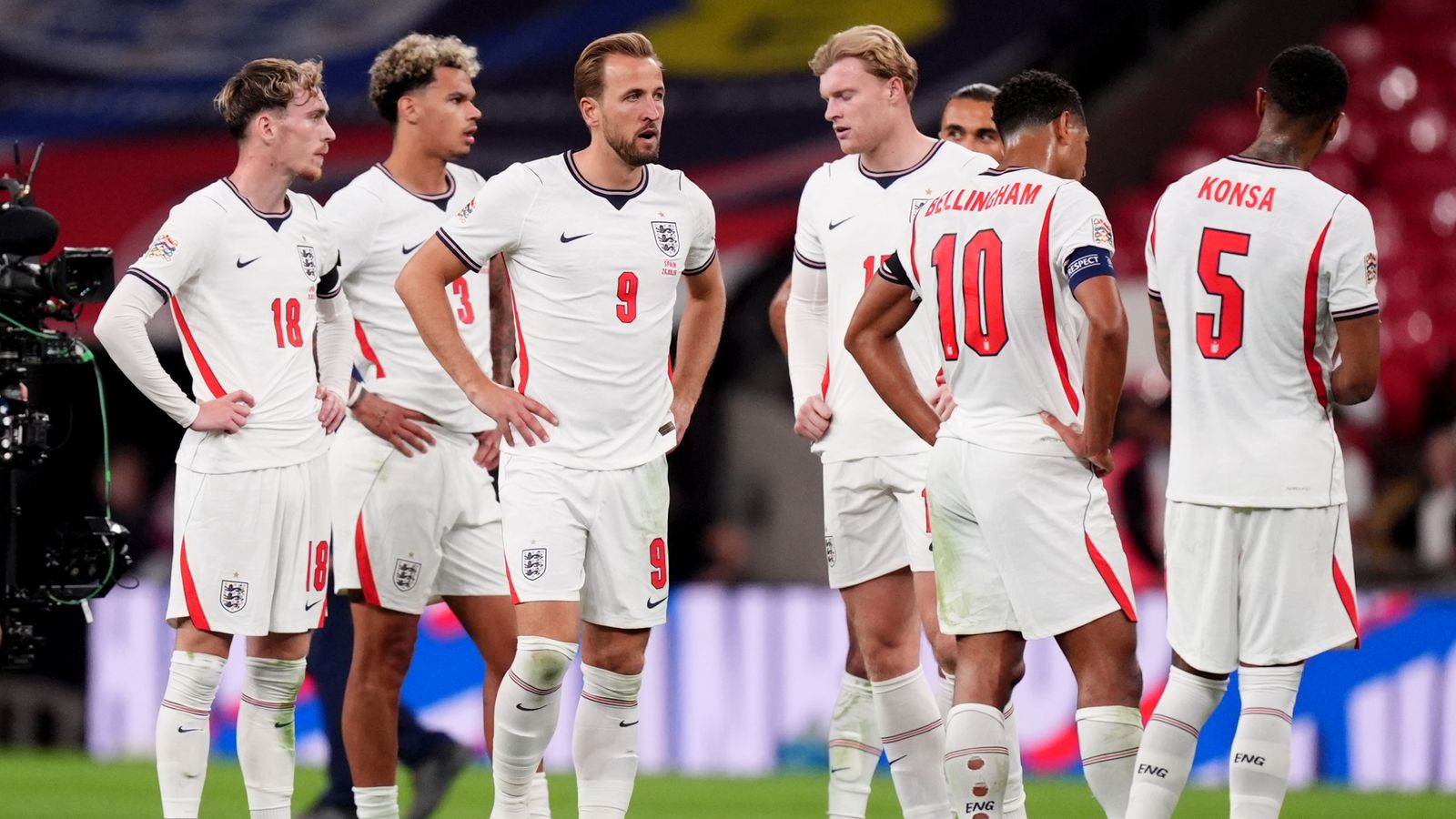
England under Thomas Tuchel has been a study in defensive security and attacking inertia. They topped Group C with 7 points, but the performances were far from convincing. After an inspired opening victory against Croatia, England looked completely flat in a stalemate against Ghana.
They lacked the imagination to break down a compact defensive structure, a problem that could prove fatal in Atlanta. The numbers tell a damning story. Against Ghana, England controlled 72% of the possession but recorded an expected goals (xG) figure of just 0.42.
The passing network map from that match shows a sterile U-shape, with center-backs and defensive midfielders passing sideways. There was almost no penetration into the half-spaces. DR Congo will have watched that footage with immense confidence.
Tonight's opponents will deploy a classic mid-block. They will press only when the ball is forced wide to England's fullbacks, aiming to trap them against the touchline. Tuchel's rigid, possession-heavy systems require fluid movement to pull opponents out of position.
Right now, this England team is playing with leaden feet, lacking the quick vertical passes to break the first line of pressure. The ghost of Euro 2016 still lingers. Last Saturday marked the tenth anniversary of the disaster against Iceland in Nice.
Everyone remembers Kolbeinn Sigthórsson’s shot squmrimg under Joe Hart. Wayne Rooney was chugging around a congested midfield while England launched aimless long balls. Tonight, England faces a similar banana skin if they cannot find a way to play through the center.
The Midfield Conundrum: Anderson vs. Mainoo
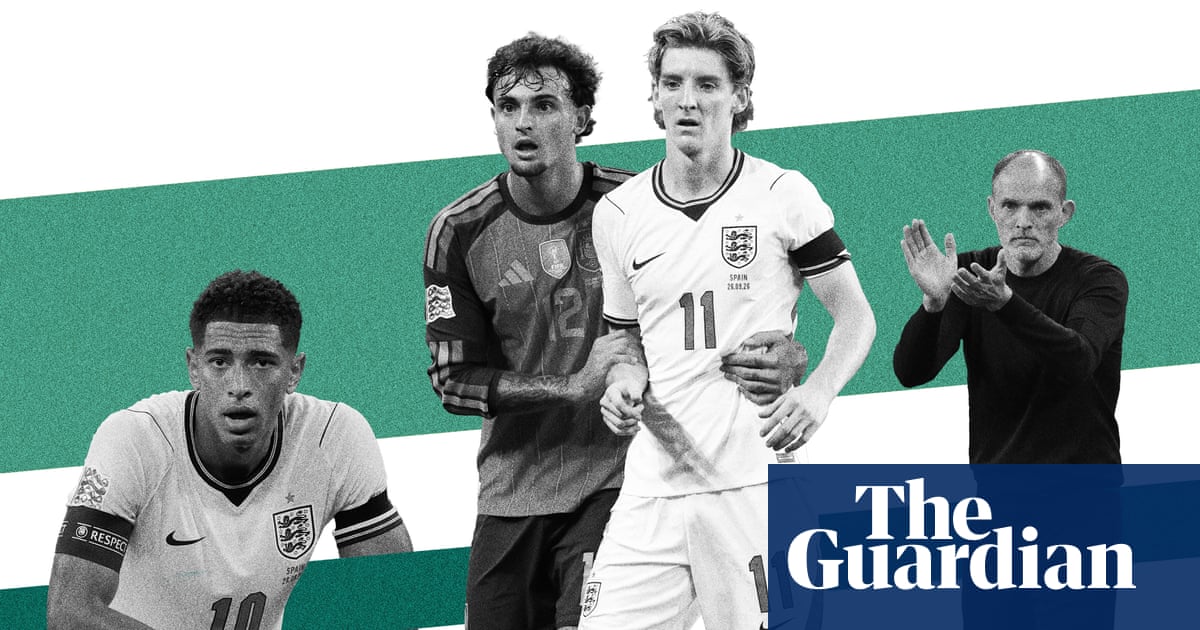
Wayne Rooney has already made his feelings clear. Speaking on the BBC, the former England captain urged Tuchel to drop Elliot Anderson. Anderson has started all three games of the tournament and worked incredibly hard.
Yet, Rooney argues that Anderson lacks the technical profiles needed to solve this specific defensive puzzle. Rooney wants Kobbie Mainoo in the starting XI. Mainoo has yet to play a single minute at this World Cup, having only featured in pre-tournament friendlies against New Zealand and Costa Rica.
His omission is baffling given England's clear struggle to progress the ball through central areas. Mainoo thrives in tight spaces. In matches against Manchester City and Liverpool, the Manchester United midfielder has shown an ability to manipulate the ball under intense pressure.
"Declan Rice and Jude Bellingham have immense quality," Rooney observed, "but playing in tight areas is not their main strength." Mainoo brings a unique press-resistance that England desperately needs to unlock deep defenses.
Tuchel has confirmed that Declan Rice will start after being rested in the win over Panama. Rice is the connector between the deeper build-up and the advanced attackers. But Rice needs a partner who can receive the ball on the half-turn and feed the wingers.
Anderson is a fine runner, but Mainoo is a locksmith who can create central overloads.
The Dilemma on the Flanks
Tuchel must also resolve his issues on the flanks. Bukayo Saka is pushing to start on the right, but Noni Madueke has put in strong performances in the group stage. On the left, the choice is between Anthony Gordon and Marcus Rashford.
Gordon offers better defensive tracking, which is key for protecting a makeshift fullback. Rashford, however, provides a direct attacking threat inside the box. Tuchel's selection here will reveal how much risk he is willing to accept.
Patchwork Defending and the Stones Gamble
England's defensive preparations have been thrown into chaos by injuries. As Mirror Football outlined, both Reece James and Jarell Quansah missed the final training session in Kansas City. James is dealing with a hamstring pull.
Quansah failed to recover from an ankle twist suffered against Panama, leaving Tuchel without his preferred right-back options. Djed Spence is the natural deputy to start at right-back. Spence has the athletic profile to match DR Congo's speed on the counter.
However, throwing an inexperienced fullback into a knockout match is a huge risk. The alternative is shifting Ezri Konsa to the right, which forces Tuchel to shuffle his central defense. This creates a massive dilemma.
If Konsa plays right-back, John Stones must return to partner Marc Guéhi. Stones has not started a match since the opening game against Croatia. Having spent most of his Manchester City season on the sidelines, Stones looked rusty in that fixture.
DR Congo will target this defensive instability. They will look to exploit Spence's defensive positioning or test Stones' lack of match fitness. Tuchel must decide if he trusts Spence's raw speed or Konsa's defensive discipline. It is a choice between defensive security and attacking width.
The Penalty Calculus and Tuchel's Big Scar
Knockout football means preparing for the ultimate lottery. The margin for error is razor-thin, as the Netherlands discovered yesterday. In Monterrey, they crashed out after a wild shootout against Morocco.
The match ended 1–1 after 120 minutes before Morocco clinched a 3–2 victory on spot-kicks. Yassine Bounou saved Crysencio Summerville's penalty, and Ismael Saibari scored the winner. Tuchel is obsessed with avoiding that fate.
The German manager still carries what he calls a "big scar" from the 2016 German Cup final. Back then, his Dortmund team lost to Pep Guardiola's Bayern Munich on penalties. Tuchel admitted he forgot to prepare for the shootout, forcing him to ask tired players who wanted to shoot at the whistle.
"The full time whistle went and I was just not prepared. I forgot to prepare for a penalty shoutout. So we ended up asking the players: 'Do you want to shoot? Do you want to shoot?' We were absolutely not ready. And we lost."
He vowed never to repeat that mistake. England's preparation has been meticulous. Under Tuchel, training penalties are a fierce competition with punishments like extra runs or wearing embarrassing T-shirts.
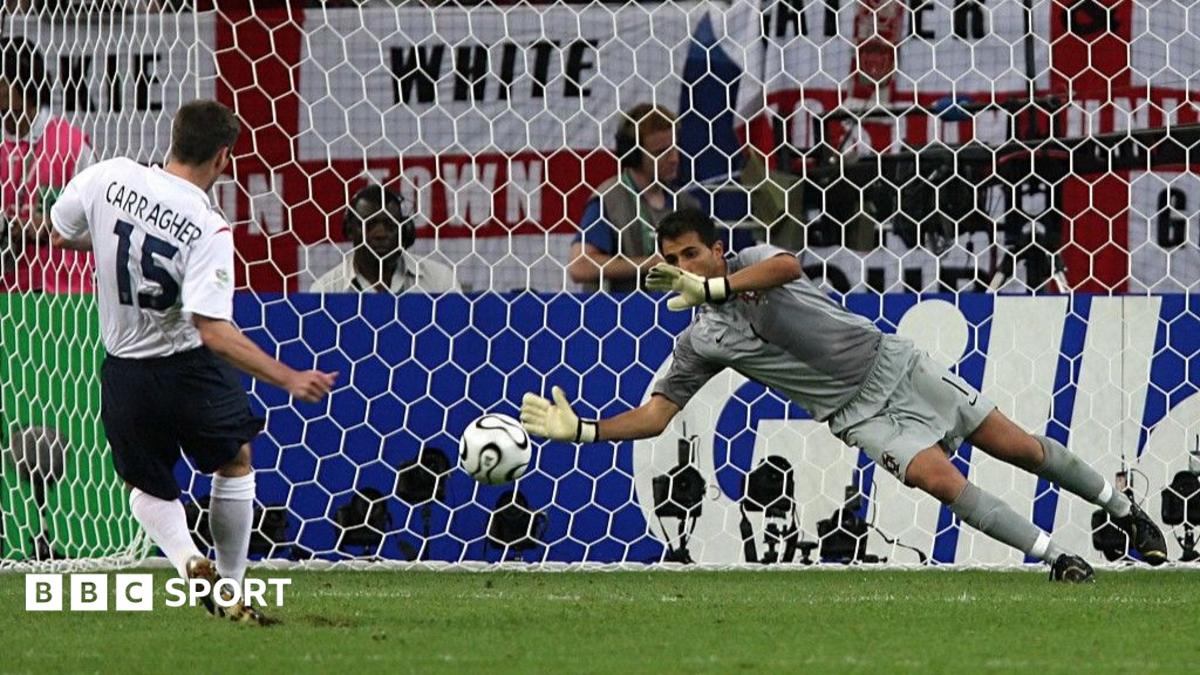
Kickers are analyzed for body language and dropped if they show anxiety. Jordan Pickford, who has made five of England's last seven shootout saves, will have water bottles covered in cheat sheets detailing Congolese penalty habits. But bringing on cold players just for a shootout is statistically fraught.
As the BBC Sport Ask Me Anything team recently detailed, late substitutes convert penalties at just 61%. This is a massive drop from the 74% conversion rate enjoyed by players who start the match.
Gareth Southgate learned this the hard way in the Euro 2020 final when Marcus Rashford and Jadon Sancho missed. Tuchel must resist the urge to make pre-planned shootout substitutions. Coping with the pressure is about rhythm, not just fresh legs.
A Confident Prediction
Despite the right-back crisis and the stagnation in midfield, England has the individual quality to survive. DR Congo will frustrate them for long periods, but a moment of quality from Jude Bellingham will break the deadlock in the second half. England will secure a narrow 1-0 victory in normal time, avoiding the drama of a shootout.
Read Next
- Tuchel faces major England fitness and midfield dilemmas before DR Congo
- Koeman resigns and the Dutch fan meltdown is officially underway
- Why Mexico's altitude trap at the Azteca is England's ultimate nightmare
- Scotland's next manager faces a brutal tactical rebuild
- 🏆 World Cup 2026 — Full Coverage Hub
- 🏴 England World Cup 2026 — Three Lions Hub