The Big Picture
England manager Thomas Tuchel faces two major fitness dilemmas and a tactical headache ahead of the Round of 32 clash against DR Congo in Atlanta on Wednesday, July 1, 2026. Midfielder Declan Rice is expected to return to the starting lineup after recovering from a calf injury, while winger Bukayo Saka continues to play through a persistent Achilles tendinitis issue. The decisions Tuchel makes in the next 24 hours will define England's World Cup campaign as they enter the knockout phase.
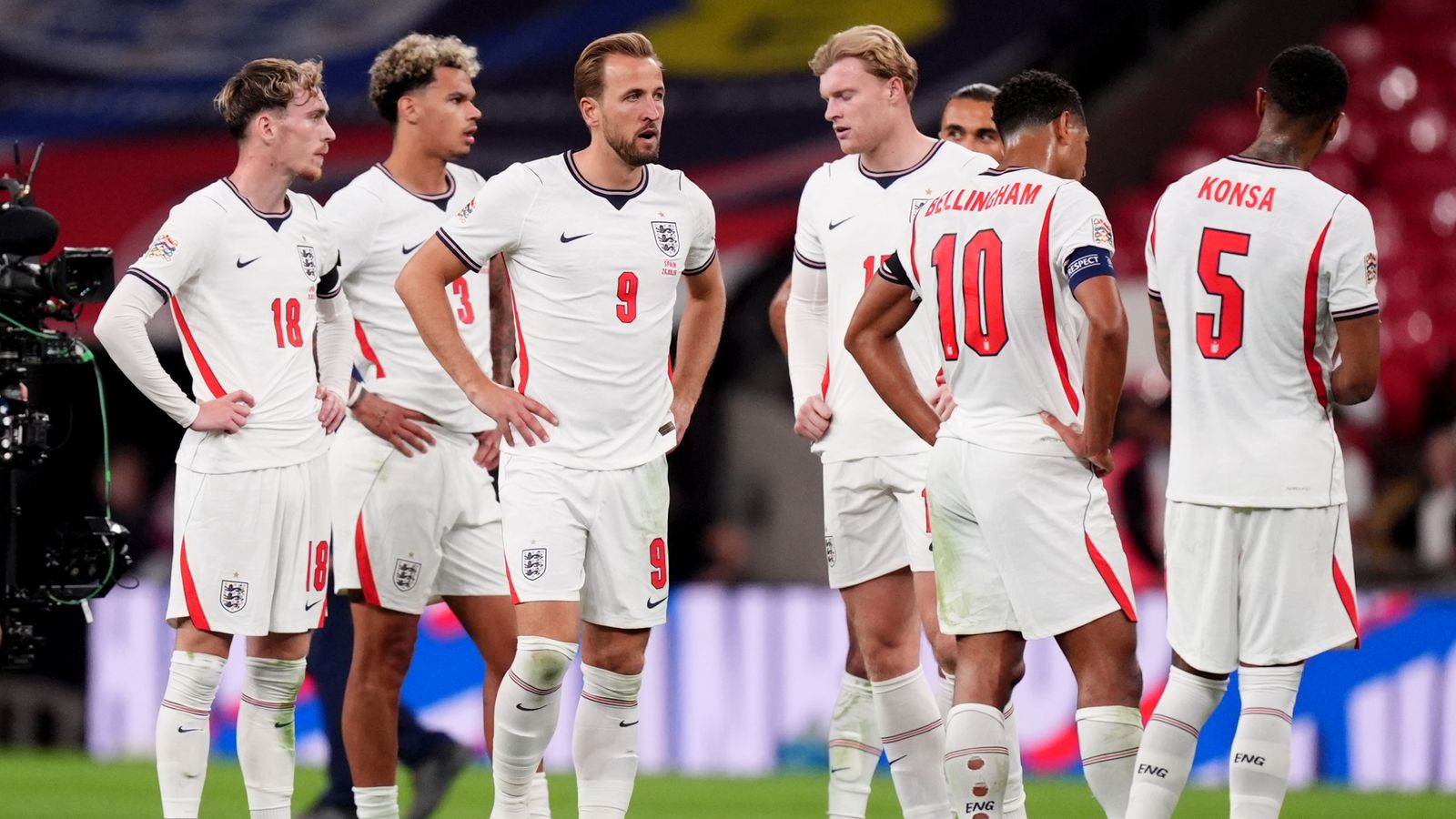
Rice’s return creates an immediate selection puzzle for Tuchel. Jude Bellingham’s stellar display in a deeper role during the 2-0 victory over Panama showed what England’s midfield is capable of when allowed to flow. However, bringing Rice back means Tuchel must choose between dropping Elliot Anderson or moving Bellingham back to the crowded No 10 position, where he has previously struggled.
The Medical Breakdown
Saka’s Achilles Tightrope
Saka is currently managing a chronic Achilles tendinitis condition that has bothered him since March 2026. The injury is a classic overuse syndrome characterized by micro-tears in the tendon fibers, leading to localized inflammation, stiffness, and a noticeable loss of explosive acceleration. England's medical staff has strictly managed his training load and match minutes, which is why he was subbed off in the 63rd minute against Panama after starting his first game of the tournament.
"Bukayo Saka looks as if he is struggling a little, but I think he has to play. He might be carrying a little niggle, we don't really know, but I just can't see a world where Saka is not starting for England in the big games as we progress in this tournament."
Achilles tendinitis is notoriously difficult to manage during a tournament. The risk of a complete tendon rupture is a constant concern for players who rely on quick changes of direction. Observers have noted that Saka is currently lacking his usual burst, looking more like a player operating at sixty percent capacity than the dynamic winger who tore Premier League defenses apart all season.
If Saka's condition deteriorates, Marcus Rashford or Anthony Gordon must step up on the right flank. Neither has looked convincing, performing at a meager six-out-of-ten level during the group stages.
Rice’s Calf Precaution
Declan Rice sat out the Panama match after sustaining a severe contusion to his calf during the 0-0 draw against Ghana. A calf contusion involves deep muscle bruising and localized bleeding, which can limit range of motion and cause sharp pain during running and jumping. England's medical team advised resting Rice to prevent the injury from worsening and to avoid a potential suspension, as he was also carrying a yellow card.
"Bellingham really impressed for me, but that is where Declan Rice plays and if fit, he plays."
Rice has completed light training sessions in Atlanta and is expected to be fully fit to start against DR Congo. His presence is deemed essential for shielding the back four against a physical Congolese team that excels in transition. The medical staff is confident that the rest period has resolved the acute symptoms of the contusion, leaving him ready for the high-intensity demands of knockout football.
The Tactical Ripple Effect
Bellingham’s Deeper Role
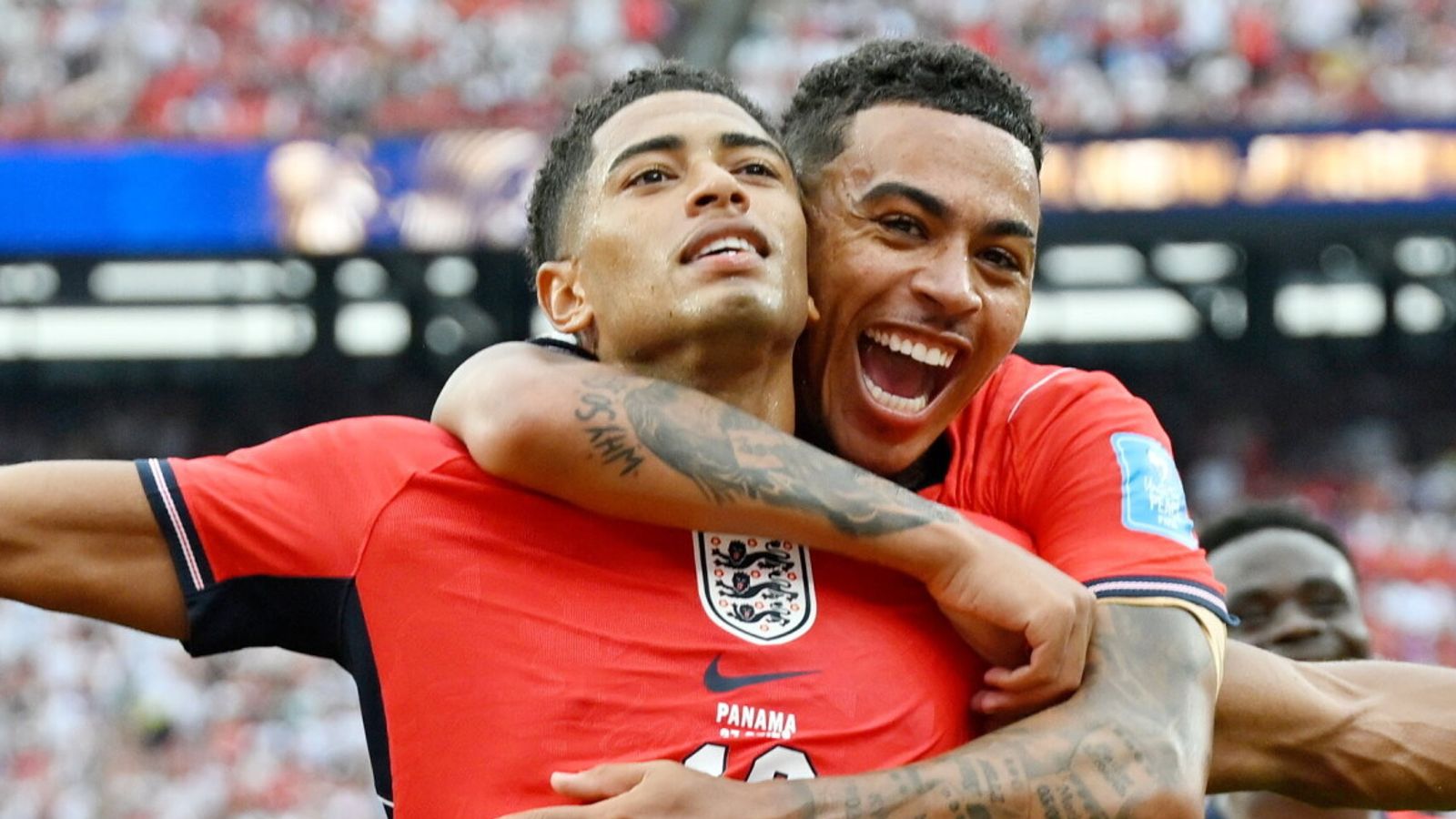
With Rice sidelined against Panama, Tuchel deployed Jude Bellingham in a deeper midfield role alongside Newcastle’s Elliot Anderson. As Paul Merson reported on Sky Sports, Bellingham’s deeper deployment was a tactical triumph, with the Real Madrid star scoring the opening goal and providing an assist. Playing from deep allowed Bellingham to bypass the congested areas of the pitch, making late runs into the box that Panama’s defense found impossible to track.
This deeper role brings out Bellingham’s best qualities, drawing comparisons to Wayne Rooney's all-action playing style. He wants to be on the ball constantly, driving play forward and orchestrating attacks from the middle third. In contrast, when deployed in the No 10 role against Ghana's low block, Bellingham was starved of service and grew visibly frustrated as the match wore on.
The tactical dilemma now facing Tuchel is how to integrate Rice without neutralizing Bellingham’s effectiveness. Tuchel praised Bellingham's tactical buy-in and back-to-back standout displays at this tournament. If Rice takes his usual starting spot, Bellingham will likely be pushed back into the No 10 role, restricting his space against a compact Congolese defensive block.
The No 10 Vacuum
England’s struggles in the central attacking areas have been a major talking point throughout the tournament. Morgan Rogers was handed the starting role against Panama but struggled to impact the game, finding himself crowded out by a disciplined defense. Rogers hardly touched the ball in dangerous areas, highlighting the difficulty England has in feeding their advanced midfielders.
Tuchel’s system relies on quick combinations in the final third, but the lack of movement from the wingers has made it easy for opponents to double up on England's attackers. Tuchel noted after the match that the bigger the game, the bigger England will perform in these knockouts. If Bellingham is moved forward, England risk becoming predictable and easy to defend against once more.
The Strategic Stakes
Historical Precedents and Rupture Risks
Playing key personnel through injuries is a dangerous gamble that has backfired for England in past tournaments. David Beckham’s metatarsal rush in 2002 and Wayne Rooney’s ankle issues in 2006 are warnings. Laurent Koscielny’s Achilles rupture in 2018 shows what happens when players push through chronic tendinitis.
A rupture would end Saka’s World Cup and sideline him for up to nine months, a devastating blow for Arsenal. The North London club's medical team is in daily contact with England’s staff, monitoring GPS data and pain levels to protect their prized asset.
Competitors like France and Spain are watching these fitness struggles. Spain’s possession style and France’s explosive transitions would easily exploit an England side lacking mobility. Colombia also looms as a threat, bringing physical power that would punish any weakness.
What Lies Ahead in Atlanta
First up is DR Congo in Atlanta, a team built to test England’s physical resilience. They will defend in a low block and deny space in behind. If Saka is hobbled and Bellingham is congested, England face a tough night.
England’s group stage campaign highlights the work still required to build momentum in this tournament:
- England defeated Croatia 4-2 in their Group L opener on June 15.
- The Three Lions played out a disappointing 0-0 draw with Ghana on June 21.
- England secured the top spot in Group L with a 2-0 win over Panama on June 27.
Tuchel vows England will step up, but physical limitations suggest otherwise. He must decide whether to risk Saka from the start or save him for later rounds. It is a high-wire act that will determine the success of England's tournament.
Read Next
- Thomas Tuchel's right-back gamble is about to cost England
- Why Julian Nagelsmann's passing obsession destroyed Germany in Boston
- Bayern Munich close in on Morocco's shootout hero Ismael Saibari
- That extra-time VAR decision has Germany fans ready to riot
- 🏆 World Cup 2026 — Full Coverage Hub
- 🏴 England World Cup 2026 — Three Lions Hub