The Clarke Era Ends in the Miami Heat
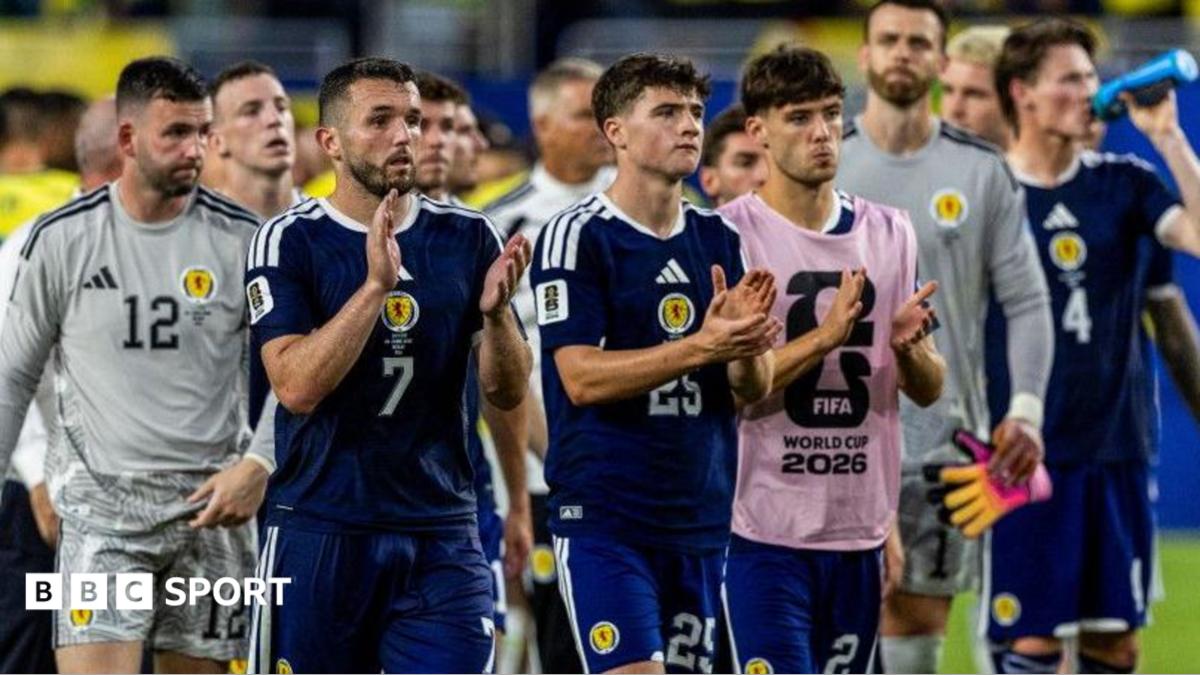
Steve Clarke’s surprise resignation on June 29, 2026, has left a massive void at the heart of Scottish football. Only five days after Brazil ended Scotland's World Cup run in Miami with a clinical group-stage defeat, the national team find themselves without a leader.
The Scottish FA had signed Clarke to a four-year contract extension before the tournament. Now, those plans are in tatters.
Clarke’s legacy is secure after leading the nation to three major tournaments. But the manner of the World Cup exit exposed deep tactical deficiencies. Scotland’s passive low block struggled to cope with elite dynamic movement.
Against Brazil, the team sat deep and conceded territory. They registered only one shot on target. The defensive structure, once a compact shield, became a passive reactive shell.
Craig Mulholland starts his role as chief football officer this week. His in-box is immediately overflowing. He must find a head coach capable of navigating a brutal squad transition.
The incoming manager must overhaul a tactical system that has grown stale and predictable. The task is detailed in BBC Sport's analysis of the challenge.
The Ageing Core and the Athletic Deficit
Scotland travelled to the United States with one of the oldest squads at the World Cup. The tactical reliance on experience has reached its natural limit.
In the starting lineup against Brazil, six players were at least 30 years old. Two more were 29. This experience brought positional discipline but starved the team of physical dynamism.
Key pillars Andy Robertson, John McGinn, and Ryan Christie are now past 30. Midfielder Scott McTominay is 29. Their physical outputs are beginning to plateau.
While these senior players still offer valuable leadership, they cannot carry the physical load alone. The lack of transition speed was painfully evident in Miami.
Former Scotland winger Pat Nevin highlighted this physical deficit. He noted that Scotland look sluggish compared to athletic opponents like Colombia and Mexico. This lack of pace limits Scotland’s ability to execute a high press.
It forces the team into a deep defensive posture that invites pressure. Without athletic recovery defenders, playing a high line is suicide.
We need to develop a group of young players coming through that are athletic.
Nevin’s analysis points to a wider cultural issue within Scottish player development. The physical gap cannot be bridged by tactical instruction alone. It requires a fundamental shift in how young players are profiled and developed.
Until Scotland produces athletic recovery defenders, any manager will struggle to play modern proactive football. The current crop of players is simply not built for it.
The Midfield Salvation and Defensive Gaps
There is light in the middle of the pitch. Scotland possess a wealth of technical midfield talent. Billy Gilmour, Lewis Ferguson, Tyler Fletcher, and Lennon Miller represent a bright future.
This quartet offers technical security, press resistance, and vertical passing. They can dictate tempo and retain possession under pressure. This is where the new manager must build his foundation.
But a midfield needs a platform, and Scotland's defensive options are thin. The goalkeeper situation is particularly alarming.
Angus Gunn, Craig Gordon, and Liam Kelly all made the World Cup squad despite minimal club minutes last season. Playing backup goalkeepers at a major tournament is a recipe for anxiety. The lack of active, first-team shot-stoppers is a major red flag.
At centre-back, the depth chart is equally concerning. Beyond the ageing starters, there are few young defenders playing regularly at a high level.
Clarke’s successor cannot rely on a three-man defensive line if the individual quality is not there. A switch to a back four may be necessary to maximize midfield numbers.
The lack of minutes for young Scottish players in the Premiership is a persistent hurdle. The SFA’s 2024 report highlighted that clubs were failing young prospects by withholding first-team opportunities.
While the introduction of co-operation agreements last season has helped some prospects get minutes in the lower leagues, the step up to international football remains massive.
Finding the Cutting Edge
Scotland’s historic struggle to score goals at major tournaments is well documented. Under Clarke, the attacking game plan often devolved into hoping for a moment of magic from McTominay or a set-piece.
For two years, Ben Gannon-Doak carried the sole burden of providing pace in wide areas. His direct running was the team's only outlet.
This season brought a glimmer of hope with the breakthrough of Findlay Curtis. The young forward provides genuine verticality and raw pace.
Alongside young Middlesbrough striker Tommy Conway and Verona’s Kieron Bowie, Scotland finally have raw materials to build a dynamic counter-attacking threat. The challenge is integrating them into a coherent offensive structure.
Darren Jackson emphasized the delicate nature of this transition. He noted that senior players must play a massive role in mentoring the youth.
Integrating young talent requires patience and tactical support. Throwing them into a dysfunctional system will only dent their confidence.
It's integrating them at the right time.
The new manager must design a system that transitionally phases out the old guard. A rigid 5-4-1 block will no longer suffice.
Scotland need a system that utilizes their technical midfield while shielding their lack of defensive pace.
The Harsh Reality of the Managerial Search
Fans are already calling for high-profile appointments. Names like David Moyes and Ange Postecoglou are frequently mentioned in radio phone-ins.
But the reality is far more complex. Getting elite managers to accept the international grind is a tough sell.
Moyes’ pragmatism might stabilize the defensive transition, but is unlikely to solve the athleticism deficit. Postecoglou’s high-pressing, expansive style requires physical profiles that this Scotland squad simply does not possess.
Forcing this group to play a high-intensity press would lead to defensive disasters. It would expose the centre-backs to constant counter-attacks.
Mulholland must look for a tactical innovator rather than a big name. The job requires a coach who can build a functional team out of asymmetrical parts.
They need someone who understands player development and is willing to blood youth early.
The road to Euro 2028 will be challenging, even with a favourable route due to host status. The new manager faces a race against time to rebuild the defensive spine.
A failure to adapt will see Scotland slide back into the international wilderness. The margins at this level are unforgiving.
A Bold Prediction for the New Era
The SFA will likely pivot away from the traditionalist route. Rumours suggest that they want a coach aligned with Mulholland's focus on youth development.
This points towards a progressive coach from the EFL or European leagues rather than a veteran manager.
The tactical shift will be immediate. We predict Scotland will transition to a 4-3-3 shape to get Ferguson, Gilmour, and Miller on the pitch together.
This will allow Scotland to dominate possession in midfield. It will compensate for their defensive speed deficiencies.
Up front, Curtis and Conway will become regular starters. They will add much-needed verticality to the attack.
We predict the SFA will appoint a progressive coach by the end of July. Scotland will endure a difficult UEFA Nations League campaign as the new system is implemented.
However, the youth injection will pay off. Scotland will secure qualification for Euro 2028 with a rebuilt, athletic starting XI.
Read Next
- Didier Deschamps stopped playing terrorist football and France looks terrifying
- Late substitutes keep missing penalties and managers need to stop
- Why Derek McInnes is already changing the Rangers vs Celtic dynamic
- Why Nagelsmann's passing system cost Germany the World Cup
- 🏆 World Cup 2026 — Full Coverage Hub