
Why the Folarin Balogun scandal shows FIFA is completely broken
The Tactical Mirage of Folarin Balogun
The US national team walked onto the pitch in Munich facing a structural roadblock. Bosnia and Herzegovina sat in a deep 5-4-1 block, dropping their defensive line to the edge of their own 18-yard box. For the US team, progressive passing was non-existent. The central midfielders sat too deep, failing to find the half-spaces or feed the forward line. Folarin Balogun was isolated, constantly marked by two central defenders. His frustration mounted as the service dried up entirely.
In the 74th minute, Balogun committed a reckless, high-boot challenge on Bosnia's center-back, earning an automatic red card. The tactical failure was obvious. The US could not create vertical lanes, and Balogun's dismissal was the logical consequence of a system that lacked spacing and movement. His red card meant an automatic suspension for the next game. That match was the critical knockout clash against Belgium.
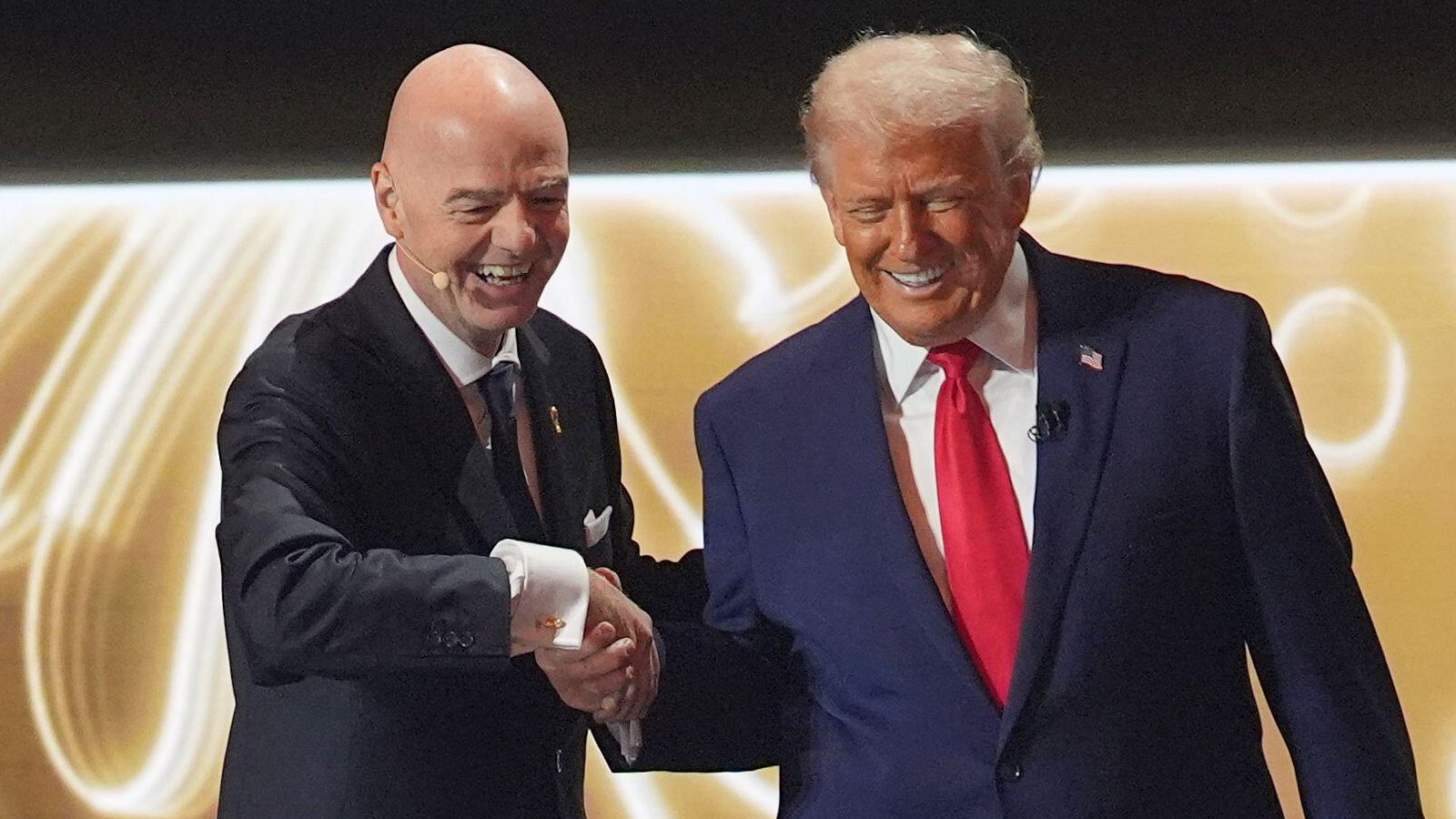
Then came the backroom diplomacy. Donald Trump called Gianni Infantino. He demanded a review of the suspension. FIFA obliged, using Article 27 of its disciplinary code to suspend the automatic one-match ban for a one-year probationary period. It was a raw display of political favor. The rulebook was burned so that the host nation could have its star striker for the knockout match.
And yet, it did not matter. Belgium, structured under a disciplined mid-press, squeezed the US midfield from the opening whistle. Domenico Tedesco's side pressed in a 4-2-3-1, with Amadou Onana cutting off passing lanes. The US had possession, but it was sterile and horizontal. Balogun started, but he was a ghost on the pitch. He finished the game with just 18 touches in ninety minutes.
The US midfield could not feed him, and their defensive line collapsed under pressure. Jeremy Doku torched the US right flank, exposing the poor positioning of Joe Scally. Scally was caught high up the pitch repeatedly, leaving massive space behind him. Belgium scored early and scored often. The final whistle blew on a humiliating 4-1 defeat for the United States.
The US finished the match with an expected goals (xG) metric of 0.42. Belgium coasted to a 2.85 xG. The corrupt backroom deal did not save the host nation. It only made their exit look more pathetic. The tactical reality on the pitch exposed the emptiness of the political chicanery off it.
This match exposed the sheer naivety of the US setup under pressure. The coaching staff seemed to believe that simply having Balogun on the pitch would solve their structural deficiencies. In reality, they played right into Belgium's hands. Tedesco's side did not even have to work hard to neutralize the threat. They simply closed the central passing lanes and let the US pass the ball slowly across their backline.
The stats tell the story of a team that had no idea how to break down a competent defensive unit. The US team had 58 percent possession but generated only two shots on target. One of those was a speculative long-range effort that drifted harmlessly wide. The other was a late consolation goal when the game was already lost. They were outclassed in every department.
The Precedent of the Phone Call
Yesterday, Barney Ronay wrote in The Guardian that this was a sporting scandal of shocking proportions. Trump openly bragged about his meddling. He reportedly claimed responsibility for the outcome, stating that he got FIFA to lift the suspension. FIFA tried to deny the pressure, claiming their judicial bodies acted independently. It was a laughable lie that no serious observer believed.
UEFA vice-president Laura McAllister went on BBC Radio Wales to voice her anger. She warned that this decision opens a dangerous door for the sport's governance. McAllister was blunt in her assessment of the threat to the sport's integrity. She argued that bypassing established rules for political leaders destroys the credibility of the competition.
“You're creating an absolute cesspit for the future because anyone can appeal. Any political leader could potentially pick up the phone and say there's a precedent for changing a punishment awarded to a player and I think it's extremely dangerous.”
As BBC Sport reported, the decision was seen as a threat to the integrity of the sport. Political phone calls now override refereeing decisions. It makes a mockery of the sport's central premise that the rules apply equally to all teams. The double standard was made even more glaring by the visa denial of Somali referee Omar Artan.
Artan was scheduled to referee World Cup games. The US government denied him a visa. FIFA remained silent, and Infantino told everyone to chill. Yet, when the host country's star striker faced a ban, the president called, and FIFA bent the knee. This asymmetry shows that rules are rigid for the weak and flexible for the powerful.
The silence from FIFA regarding Artan's visa issues was deafening. A professional referee was denied the opportunity to work at the tournament because of political host-nation border decisions. FIFA did not protest or threaten sanctions. They simply accepted the host nation's decision without question. This is the same organization that claims to protect the sport from political interference.
The contrast between the two cases is striking. A referee from Somalia is ignored when his career is disrupted by politics. A striker from the US is saved when his red card threatens the host nation's progress. It is a clear message that FIFA's rules are negotiable if you have enough political clout. The integrity of the tournament has been compromised for commercial and political expediency.
The Arithmetic of a Football Autocracy
Why does Infantino act with such impunity? Because he has already won the political game. As Football365 argued, the European outrage is meaningless. The FIFA presidency is decided on a one-member, one-vote basis. To win, a candidate needs 106 votes out of 211.
Infantino has already secured his path to the 2027 election. In April and May of this year, CONMEBOL, CAF, and AFC pledged their support. CONMEBOL holds 10 votes. CAF has 54 votes. AFC has 47 votes. That adds up to 111 votes. Infantino does not need a single vote from Europe to retain his crown.
He has spent his presidency courting the non-European federations. He gave them a larger share of the World Cup pie by expanding the tournament to 48 teams. UEFA was given only three of the 16 extra slots. The smaller federations receive millions in development funds from FIFA. They will never vote against the man who keeps the money flowing.
Qatar was ignored by these voters. The 2030 and 2034 World Cup bidding maneuvers were ignored. The Balogun scandal will not change their minds. To the rest of the world, European complaints look like sour grapes. The voting block is solid, and Infantino remains untouchable.
The expansion of the World Cup was a masterstroke of political triangulation. By adding 16 teams, Infantino created more opportunities for countries that rarely qualify. These nations now have a direct stake in his presidency. They view his leadership as a check on European dominance. They are willing to overlook any number of scandals in exchange for a seat at the table.
The financial rewards are also significant. FIFA's development programs have distributed billions of dollars to national associations around the world. For many smaller countries, this funding is their only source of revenue. They cannot afford to alienate the FIFA president. The political logic of one-member, one-vote ensures that Infantino will remain in power as long as he wishes.
The Comedy of UEFA's Empty Threats
UEFA is furious, but their power is limited to petty gestures. They appointed Omar Artan to referee the UEFA Super Cup match. It was a direct middle finger to FIFA and the US authorities. They announced that Euro 2028 ticket prices would be kept low. They poked fun at FIFA's tournament rules regarding hydration breaks.
But these are minor irritants. They do not threaten Infantino's grip on power. Some journalists have suggested the nuclear option of UEFA leaving FIFA. This is a hollow threat that will never be executed. A World Cup without European teams is not a World Cup. But a European championship with a few guests is not a World Cup either.
It is mutually assured destruction. UEFA cannot afford to carry out the threat. Their clubs rely on the global market. Their players want to play on the biggest stage. So they are reduced to shouting into the void. Infantino knows this, and he will continue to govern FIFA as a private fiefdom.
The European clubs are also a major obstacle to any breakaway. The top clubs are businesses that depend on global television rights and sponsorships. They would not support a move that excludes them from FIFA-sanctioned events. The players themselves would resist any plan that prevents them from representing their countries at the World Cup. UEFA's hand is simply too weak to make a credible threat.
So the status quo will remain. Infantino will continue to make deals with political leaders, and the rules will continue to be applied selectively. The Balogun scandal is not the beginning of the end for Infantino. It is just another day at the office for the most powerful man in football. The rest of the world will continue to watch, complain, and ultimately play along.
Read Next
- Why Folarin Balogun's suspension farce backfired on U.S. Soccer
- USMNT's embarrassing World Cup exit shows the Balogun circus backfired
- The USMNT just turned a home World Cup into the ultimate political circus
- Folarin Balogun's red card pardon is FIFA's most embarrassing moment yet
- 🏆 World Cup 2026 — Full Coverage Hub
The Mixer: The Story of Premier League Tactics, from Route One to False Nines
The definitive deep-dive into how the Premier League was won.
Frequently Asked Questions
Why was Folarin Balogun red-carded against Bosnia and Herzegovina?
How did FIFA bypass Folarin Balogun's automatic suspension?
What was the final score of the US match against Belgium?
Who exposed the right side of the US defense in the Belgium match?
How did Belgium neutralize the US team tactics during the game?
More Coverage

Ex-Spurs defender Ramon Vega launches long-shot bid for FIFA presidency
1 day, 2 hours ago
Top 10: World Football's Biggest Storylines, Scandals, and Shocks of 2026
2 days, 1 hour ago
When even the Swiss abandon you, your FIFA presidency is officially cooked
4 days, 18 hours ago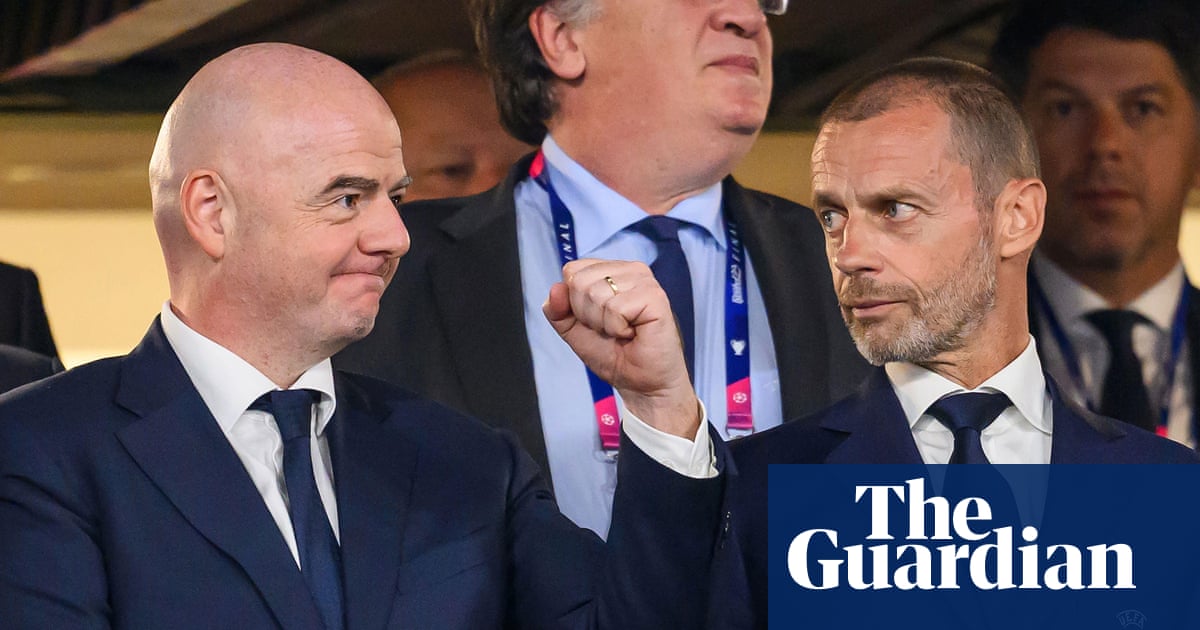
Aleksander Ceferin is right about Infantino, but UEFA has no plan B
1 week, 2 days ago
England lost to Spain but the Nations League is actually working
1 week, 3 days ago
Ireland voted to play Israel, but this Nations League game is pure chaos
1 week, 5 days agoMore Analysis
Ex-Spurs defender Ramon Vega launches long-shot bid for FIFA presidency
1 day, 2 hours ago
Top 10: World Football's Biggest Storylines, Scandals, and Shocks of 2026
2 days, 1 hour ago
When even the Swiss abandon you, your FIFA presidency is officially cooked
4 days, 18 hours ago
Aleksander Ceferin is right about Infantino, but UEFA has no plan B
1 week, 2 days ago
England lost to Spain but the Nations League is actually working
1 week, 3 days ago