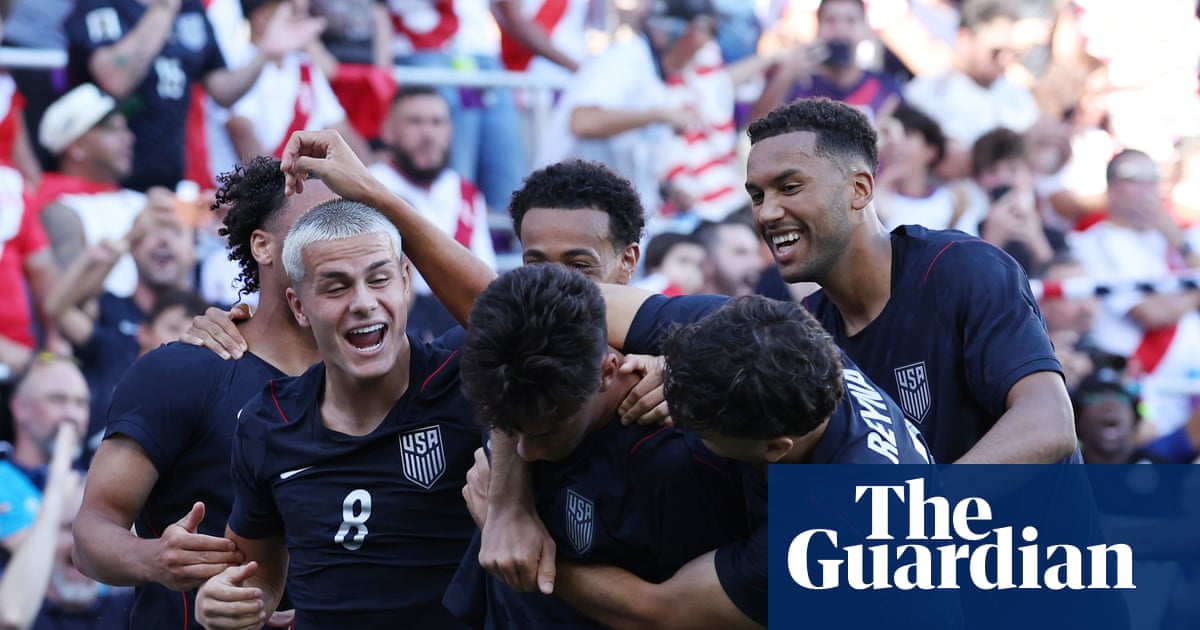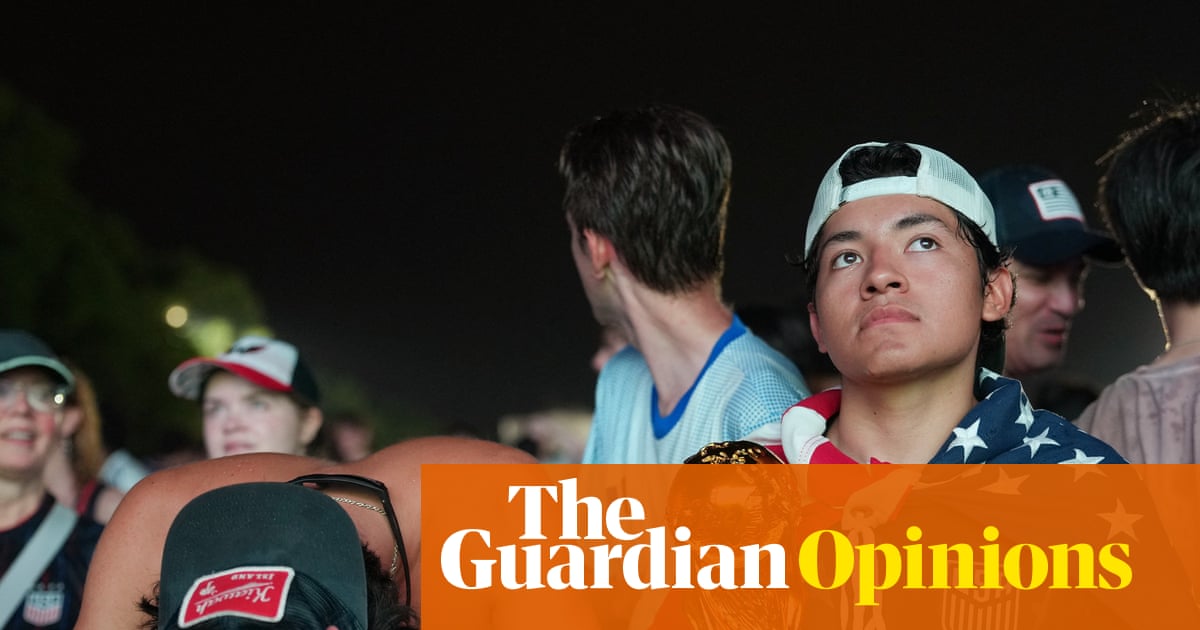
Pull up a stool, grab a lukewarm cider, and let's talk about the absolute circus that just wrapped up in our backyard. The United States men's national team did not just exit their own home World Cup yesterday. They did it by strap-hanging onto a self-inflicted nuclear disaster and letting Belgium kick their teeth in.
The final score was 4-1, but honestly, that makes the game sound much closer than it actually was. For ninety minutes, the Americans looked like they were playing in boots filled with wet cement while Charles De Ketelaere and Romelu Lukaku did whatever they wanted. It was a humbling so thorough that even the casual fans who only watch soccer when it's wrapped in flag-waving patriotism decided to turn off the TV by the hour mark.
But the real comedy show didn't start on the pitch. No, the real comedy show started in the Oval Office and ended with FIFA showing the entire world that their rulebook is written in pencil and can be erased by a single phone call. Let's look at the timeline, because you cannot make this stuff up.
The Red Card and the Presidential Hotline
It all goes back to July 1, 2026. The USMNT was playing Bosnia and Herzegovina in the Round of 32, a match they won 2-0 thanks to some decent pressing and Bosnian defensive charity.
But in the 64th minute, Folarin Balogun decided to go for a stroll through Tarik Muharemovic's ankle. It was a late, clumsy stamp that the referee initially missed but VAR caught in high definition.
Straight red card. Automatic one-match suspension. Everyone in American soccer knew what that meant: their star striker was out for the Round of 16 clash against Belgium.
Enter the leader of the free world. U.S. President Donald Trump decided this was his moment to become the chief tactical analyst for the national team.
In a series of phone calls that must have made FIFA's switchboard operators sweat, Trump personally contacted FIFA President Gianni Infantino to complain about the referee. He made it very clear that he thought the card was a joke. In his Oval Office press conference on July 6, Trump defended his actions, saying:
All I did was ask for a review because I didn’t think it was a foul.
He went on to claim that he had zero influence over the final decision:
I didn’t tell them what to do. I can’t tell them what to do.
But he still called the referee's decision "horrible" and "very suspect." He also claimed that he initially did not even know what a red card was.
FIFA Rolls Over
If you thought Gianni Infantino would tell a world leader to go read the FIFA rulebook, you clearly haven't been paying attention to soccer administration for the last decade. FIFA's disciplinary body scrambled to find a loophole. They emerged with Article 27 of the FIFA Disciplinary Code, using it to suspend the implementation of Balogun's one-match ban.
They called it a probationary period, but everyone with a brain knew exactly what it was. It was a flat-out presidential pardon for a soccer player.
Naturally, the rest of the world went completely bananas. The Royal Belgian Football Association said they were "astonished" by the decision. UEFA officials were private-messaging journalists saying FIFA had crossed a red line.
The integrity of the tournament was tossed in the garbage disposal to keep a home-team striker on the field for television ratings. And for what?
Yesterday, we found out. Folarin Balogun took the field in Chicago, and he did absolutely nothing. He was a ghost.
He spent the entire match isolated, chasing long balls that were overhit by a panicked midfield. Belgian defenders pocketed him like loose change.
The Humbling in Chicago
The match started in the 9th minute when Charles De Ketelaere latched onto a loose ball, cut inside, and fired a rocket past Matt Turner. The American defense looked like they were waiting for a whistle that never came. It was passive, lazy, and completely disorganized.
There was a brief moment of hope when Malik Tillman equalized in the 31st minute with a deflected shot that looped over Koen Casteels. The stadium erupted, beer was spilled, and for about 120 seconds, we thought we had a game.
But then De Ketelaere scored again in the 33rd minute. He walked through three American defenders as if they were traffic cones and slotted it home to make it 2-1.
The second half was just a slow-motion car crash. Hans Vanaken made it 3-1 in the 57th minute with a free header from a corner. The American defenders were standing around marking empty space, leaving a tall Belgian midfielder completely unmarked in the six-yard box.
By the time Romelu Lukaku rolled past a tired center-back to score the fourth goal in stoppage time, the stadium was half-empty. The Belgian forward didn't even have to break a sweat.
As The Guardian reported in their post-match breakdown, the USMNT’s run at a home World Cup had attracted people who usually ignore soccer. But instead of triumph, those casual fans saw a humbling at the hands of Belgium.
The tournament was supposed to be the launchpad for the sport in America, a once-in-a-generation moment to capture the public imagination. Instead, the team gave us a political circus and a footballing lecture.
The Lost Generation
We've seen this movie before, and the sequel is always worse. The US soccer federation has spent years talking about their golden generation, about their European pedigree, about how they are ready to compete with the elite. But when the spotlight was brightest, they looked exactly like the teams of the past.
They lacked the tactical sophistication to match Belgium's midfield. They also lacked the discipline to stay out of their own way off the pitch.
Let's contrast this with the high-water mark of American soccer back in 2002. That team went to Korea and Japan, beat Portugal 3-2 in the group stage, and made it to the quarterfinals. That run was pure, organic, and driven by young players who didn't care about the odds.
During the closing moments of that Portugal game, ESPN commentator Jack Edwards delivered a monologue reminding viewers about the foundation laid by previous generations. It was a message of hope, about a sport that was building its future from the ground up.
In 2026, the sport didn't build from the ground up. It tried to skip the line by calling the president.
It is easy to blame the referee or the political noise, but the truth is simpler. The United States was not good enough. They were outplayed, outcoached, and outclassed.
The federation wanted a spectacle, and they got one, just not the one they wanted. Now, the tournament goes on without them, and the circus tent is packed up.
The players will return to their European clubs, and the politicians will find another headline to chase. American soccer fans will be left wondering when the golden generation is actually going to deliver on the hype.
Read Next
- Trump calls and FIFA loopholes overshadow USA vs Belgium World Cup clash
- Folarin Balogun's red card pardon is FIFA's most embarrassing moment yet
- USMNT got exactly what they deserved in the Seattle soccer circus
- Top 10: Top Moments of the USMNT 2026 World Cup Run
- 🏆 World Cup 2026 — Full Coverage Hub
- 🇺🇸 USMNT World Cup 2026 — Team USA Coverage Hub
- ⚽ MLS 2026 Season Hub — World Cup Year Guide