Do not expect Liverpool to start throwing silly money at superstars this summer. The news that Fenway Sports Group is in talks to sell a 30% stake to a consortium led by Amit Bhatia has sent fans into a familiar frenzy. But the math of this transaction suggests a very different reality than a sudden cash injection for the transfer market.
According to The Guardian's report, this deal values Liverpool at a staggering £4.5bn. Bhatia, who recently resigned as a director at Queens Park Rangers, has lined up financial backing from his father-in-law, billionaire steel magnate Lakshmi Mittal, for the £1.35bn transaction. Looking at the history of FSG's financial management, this money is not going into the club's transfer kitty.
FSG operates on a strict self-sustaining model where club revenues fund club operations. When they sold a minority stake to RedBird Capital in 2021, the money went toward paying down stadium debt rather than funding a spending spree. This latest transaction is primarily a liquidity event for FSG's principal partners, allowing them to cash out a portion of their massive capital appreciation.
The myth of the steel magnate sugar daddy
Billionaire backing makes for great headlines, but Amit Bhatia’s track record at QPR should temper expectations. During his tenure at Loftus Road, QPR became a cautionary tale of reckless spending followed by severe austerity. The club suffered heavy fines for breaching Financial Fair Play regulations, and Bhatia is unlikely to repeat those mistakes at a club of Liverpool's scale.
More importantly, the Premier League's Profit and Sustainability Rules (PSR) prevent owners from simply writing personal checks for player transfers. Liverpool’s current amortization costs and wage bill are already finely balanced against their commercial income. Even if Mittal wanted to dump £200m of his steel fortune into the squad, league rules would block it, forcing the club to grow its own revenues to increase spending power.
We should also examine the composition of the Bhatia consortium. Unlike sovereign wealth funds, private consortia expect a clear return on their investment. A £1.35bn outlay for a minority stake requires a clear path to profitability or an eventual full buyout, showing this is a calculated business entry rather than philanthropic sporting investment.
A tactical pivot to the South Asian market
While the transfer kitty might not grow immediately, this deal has significant commercial implications. The involvement of Lakshmi Mittal opens doors to the Indian subcontinent, a market that European football clubs have struggled to monetize effectively. While shirt sales and television rights are established in Southeast Asia, India represents an untapped frontier for premium sponsorships.
Liverpool’s commercial revenue has lagged slightly behind Manchester City and Real Madrid in recent cycles. To close this gap, the club needs more than standard regional betting partners. Bhatia’s network in India could help secure high-value corporate partnerships in technology or telecommunications, driving the organic revenue growth that eventually funds higher transfer budgets.
We can expect to see Liverpool prioritize pre-season tours to India and the Middle East in the coming years. The club will likely establish academy networks in Mumbai and Delhi, aiming to build a massive digital fanbase. This long-term commercial strategy is where the true value of the Bhatia partnership lies, rather than in immediate signings.
The beginning of the FSG exit strategy
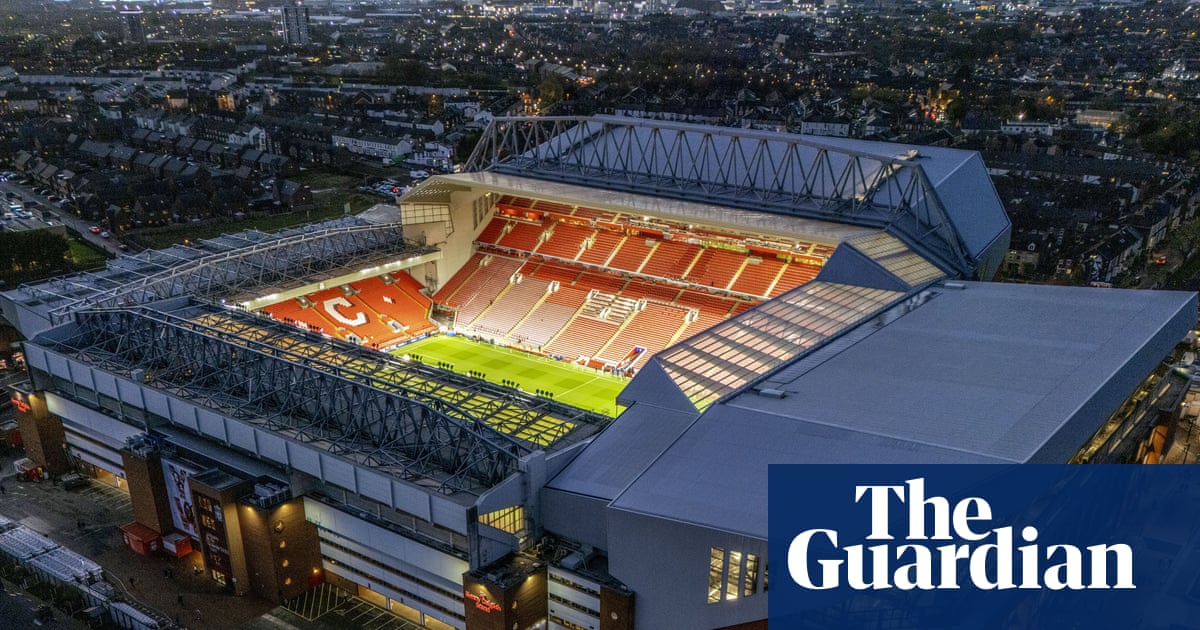
The most significant aspect of this deal is what it says about FSG’s long-term commitment to Anfield. John W. Henry and Tom Werner have run Liverpool since 2010. While they have delivered a Premier League title and a rebuilt stadium, their interests have increasingly shifted toward other sports ventures in North America.
FSG has spent the last few years acquiring assets in golf, hockey, and media. By selling a 30% stake, they are testing the market for a full exit. Finding a single buyer capable of meeting a £4.5bn valuation is incredibly difficult, making a phased sale a classic corporate finance strategy to maximize value while transitioning control.
I predict that this deal will be signed before the end of the year, marking the first step of a phased takeover. Amit Bhatia's consortium will likely secure an option to acquire the remaining 70% of the club by 2030. This structured transition allows FSG to exit gradually while ensuring Liverpool remains stable during the handover.
Operational risks and final verdict
A phased takeover is not without its risks. The most immediate concern is the potential for boardroom friction. Bhatia’s resignation from QPR shows he wants a hands-on role, but FSG's historic control freakery means conflicting ideas on squad building could paralyze the recruitment department.
We saw this exact scenario play out at Manchester United during the transition to Sir Jim Ratcliffe's minority ownership. The division of sporting and commercial control led to months of administrative delays. Liverpool cannot afford similar hesitation, meaning the recruitment team must remain entirely independent of boardroom politics as they rebuild the midfield and defense.
Furthermore, Liverpool's fan base is notoriously sensitive to ownership changes. While FSG has faced criticism for their frugal spending, their stewardship has been remarkably stable. If the Bhatia consortium is perceived as prioritizing commercial growth over on-pitch success, the atmosphere at Anfield could turn quickly, forcing the new investors to communicate their vision clearly.
The deal reported this week will go through because both parties have clear incentives to close it. FSG wants to realize some of their massive capital gains to fund their other sports projects. Bhatia and Mittal want a premium asset with room to grow, but this will not translate into a transformed transfer strategy.
Liverpool will continue to recruit using their data-driven, value-oriented approach. They will search for undervalued talent rather than competing with Real Madrid or Manchester City for finished superstars. The real change will be behind the scenes, as the club transitions its commercial focus toward South Asia and prepares for life after FSG.
Ultimately, this transaction is about corporate succession, not sporting revolution. It secures Liverpool's financial future but guarantees a continuation of the self-sustaining model that fans both respect and criticize. The transition begins now, and it will shape the club for the next decade.