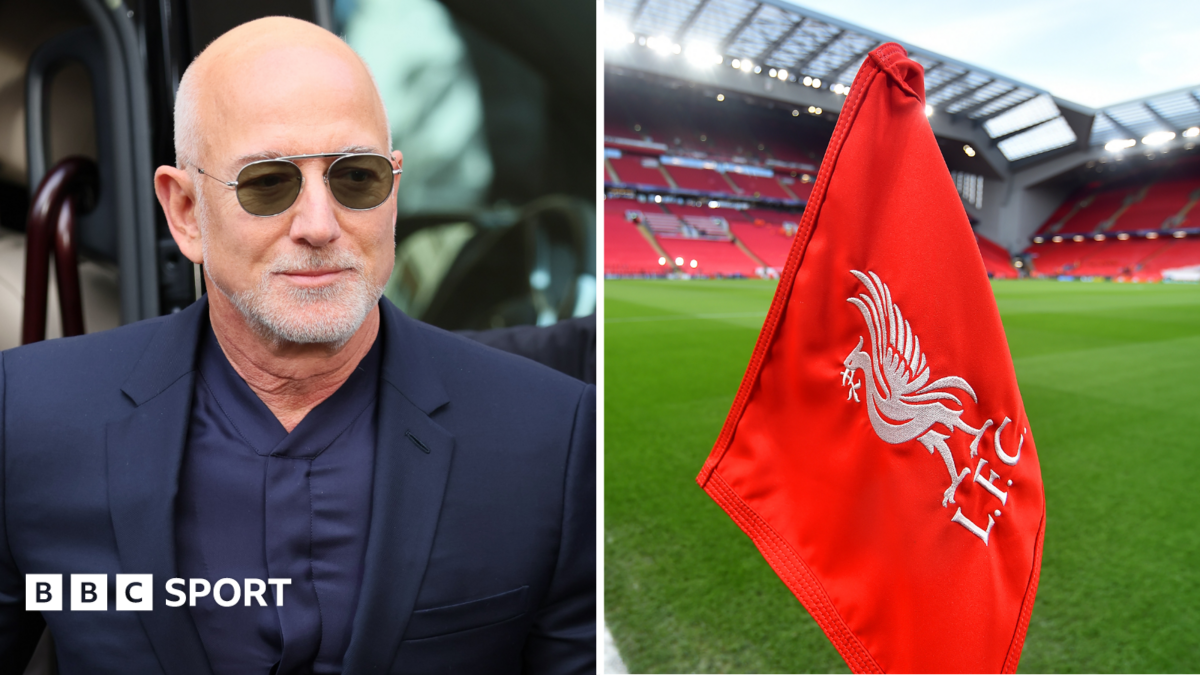
FSG's Anfield stake sale creates more questions than answers
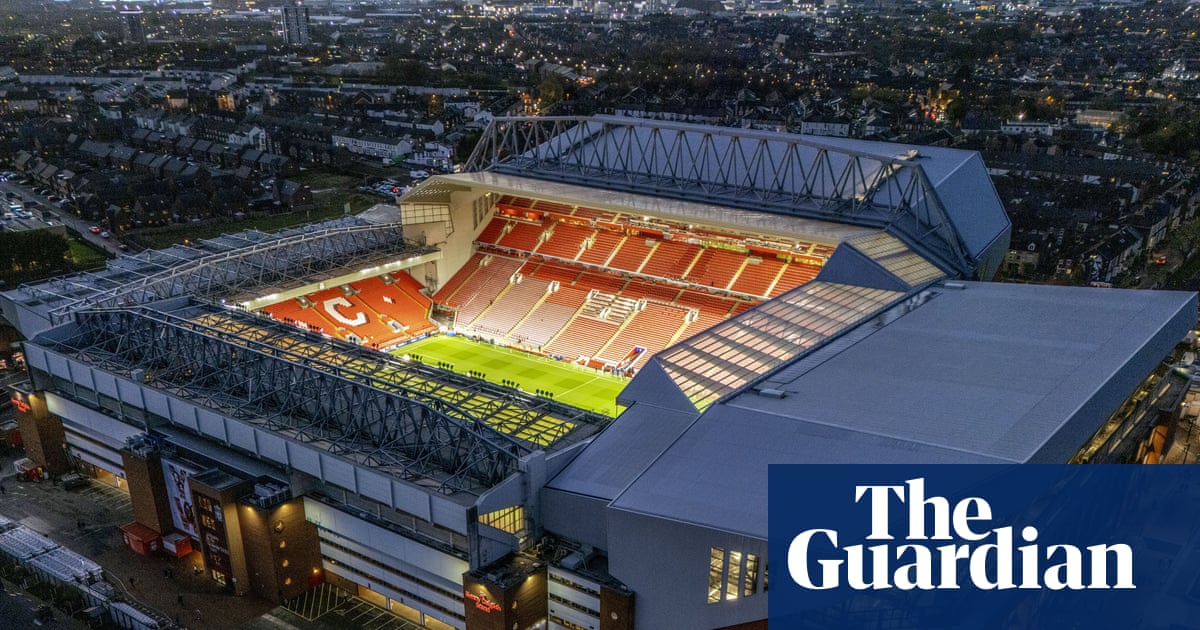
The valuation math behind the latest Anfield power play
Liverpool Football Club finds itself in the middle of a delicate fiscal repositioning. According to reports from The Guardian, Fenway Sports Group is actively engaged in negotiations to offload a significant minority stake to a consortium spearheaded by former Queens Park Rangers chairman Amit Bhatia. The deal, supported by the steel magnate Lakshmi Mittal, highlights a quiet shift in how legacy ownership groups are mitigating risk at the sharp end of the Premier League.
Valuing a gargantuan institution like Liverpool at £4.5bn is an aggressive maneuver. It places the club in an elite bracket where growth potential must be tethered to infrastructure development and global commercial velocity. We have seen this play before across the league, where outside capital arrives not to lead, but to supplement the balance sheet of incumbents who have hit their ceiling in organic revenue generation.
The Bhatia factor and the legacy of QPR investment
Amit Bhatia’s history in English football is complicated. His tenure at QPR was marked by significant capital injections that frequently struggled to harmonize with the harsh realities of the Championship or the relegation grind of the Premier League. The BBC reports that this new consortium views their potential Anfield entry as entirely different territory, but the skepticism among the fanbase remains grounded in historical outcomes. When you bring in minority partners from outside the traditional sports investment sphere, the friction between sporting ambition and financial return on investment tends to heat up quickly.
For the average fan, the math is binary: does this translate to an expanded transfer kitty for the next window? The latest updates on deals suggest the club is keen on modernization, but deep-pocketed minority owners rarely sign checks for player acquisitions without clear, actionable revenue-generating KPIs attached. If the cash is earmarked for operational efficiency or stadium capacity expansion, the supporters should manage their expectations accordingly.
The danger of fragmented ownership
Historically, minority stakes in the Premier League have acted as a buffer against total ownership upheaval, providing cash for debt reduction rather than talent acquisition. The presence of Lakshmi Mittal as the primary financial backing adds a level of sheer scale that usually implies a long-term patience—or a lack of urgency—that modern supporters often find frustrating. FSG has mastered the art of sustainable success, yet this move signals a pivot away from total autonomy.
The structural flaw in deals like this is the potential for decision-making bottlenecks. When you have a consortium that balances the interests of original owners and new minority partners, the pace of administrative movement often slows. If the club hits a cycle of underperformance, these split loyalties in the boardroom can paralyze the sporting department at a time when rapid intervention is most required.
Strategic risks in a saturated market
Comparing this to the recent evolution of European clubs, the pressure on returns is higher than ever. With broadcasting rights reaching a plateau and the commercial market for shirts and sponsors becoming increasingly saturated, a minority stake buyout is a signal that internal coffers require replenishment. It is a defensive move packaged as a strategic partnership.
There is also the matter of legacy. FSG has successfully stewarded the club through a trophy-laden era, and their desire to keep a controlling interest while inviting high-net-worth individuals into the fold suggests they have no plans for a total exit anytime soon. However, keep an eye on the internal communication from the club regarding the use of these funds. If the money flows into the squad, we might see a more aggressive recruitment strategy. If it stays in the boardroom to solidify equity, the fans might view the deal with valid suspicion.
Ultimately, the Premier League has moved past the era of singular benefactors. We are in the era of financial engineering, where equity stakes are traded like assets in an investment fund. Provided the footballing side remains unaffected, the supporters would prefer a boring boardroom, but the history of these arrangements suggests that boredom is rarely on the menu once new equity partners sit down at the table.
Read Next
Adidas Tiro League Soccer Ball
The perfect match-day ball for high-intensity training.
Frequently Asked Questions
Who is leading the consortium negotiating to buy a stake in Liverpool?
How much is Liverpool valued at in the FSG stake sale negotiations?
Why is Fenway Sports Group selling a minority stake in Liverpool?
How will the minority stake sale impact Liverpool's transfer budget?
What are the risks of split boardroom ownership for Liverpool?
More Coverage

Arsenal face Leeds with Arteta locked in and a point to prove
1 week, 5 days ago
Why Tottenham Are Screwed and Man City's Perfect Start Means Nothing
1 week, 5 days ago
Tottenham are stuck at the bottom and history says they should panic
1 week, 5 days ago
Top 10: World Football's Biggest Storylines, Scandals, and Shocks of 2026
1 week, 6 days ago
Why Martin Odegaard and Premier League Stars Are Obsessed With VR
2 weeks ago
Max Dowman suffers Arsenal injury scare on England duty
2 weeks agoMore Analysis
Trent Alexander-Arnold's Madrid struggle won't end with an Arsenal move
3 weeks, 2 days ago
Top 10: Top Moments
3 weeks, 5 days ago
Liverpool's sporting director revolving door is officially out of control
1 month, 1 week ago
Don't expect Jeff Bezos to fund a massive Liverpool transfer spending spree
2 months ago
Liverpool fans are losing their minds over Jeff Bezos buying into Anfield
2 months, 1 week ago