Liverpool's transfer strategy is caught in a boardroom identity crisis
The friction between ambition and ownership uncertainty
Liverpool find themselves at the center of a tactical and structural paradox this summer. On the pitch, the scouting department is aggressively pursuing high-ceiling wingers, a necessity following a season where offensive output lacked consistency during high-leverage matches. Off the pitch, the club remains in a state of suspended animation as Fenway Sports Group invites serious inquiry from external investors.
Reports confirming that a consortium led by Amit Bhatia has opened talks regarding a minority stake highlight the internal tension at play. When ownership groups solicit outside capital, recruitment targets often become collateral in a larger game of valuation and resource allocation. The urgency to close a deal for Bradley Barcola suggests current leadership is attempting to front-run any potential restructuring, ensuring the squad is stabilized before the balance sheet is examined by new eyes.
The Diomande pursuit reveals a lack of clarity
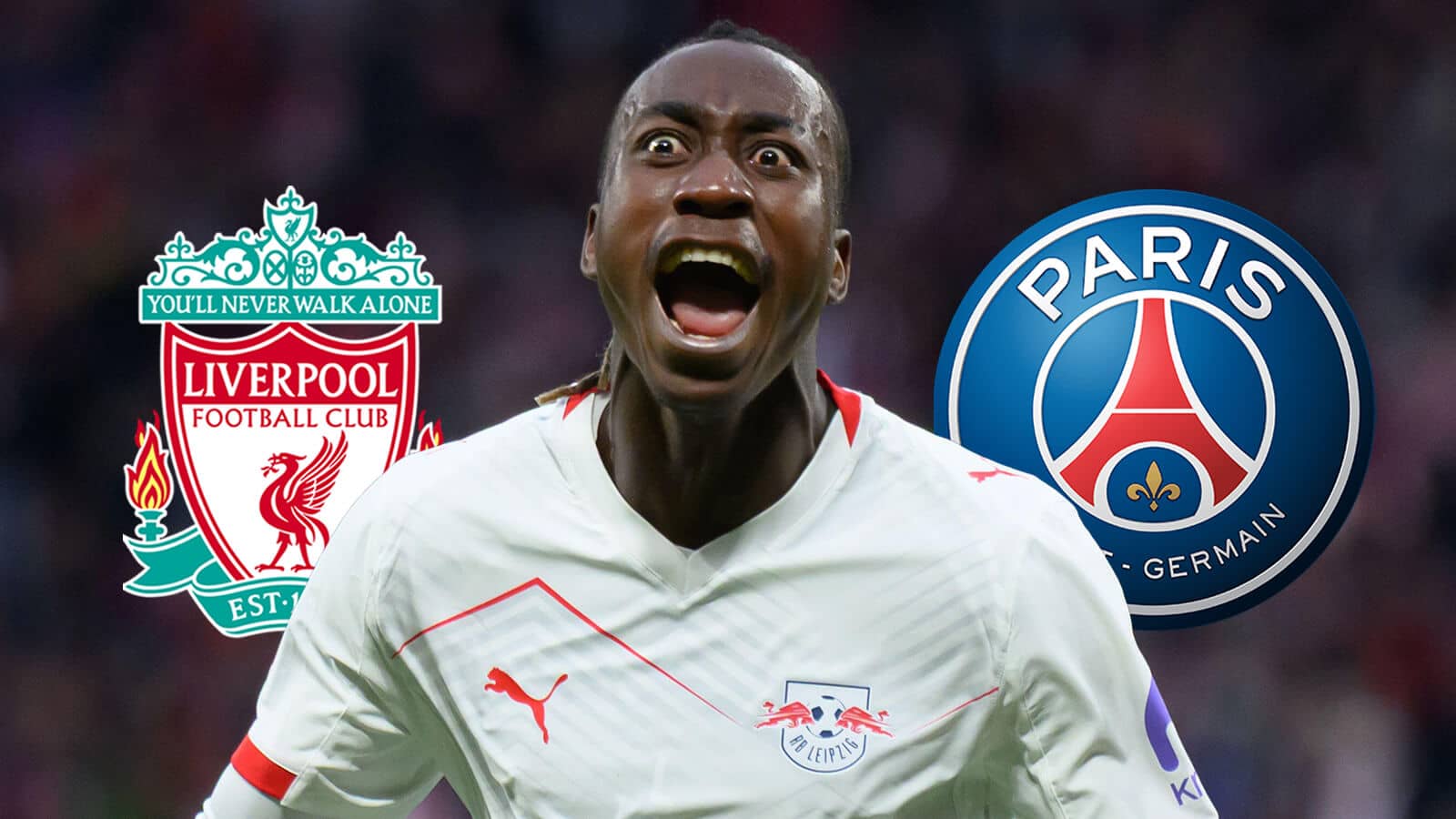
The recent attempt to hijack Yan Diomande’s move to Paris Saint-Germain was an exercise in pure chaos. With PSG reportedly near the finish line, Liverpool’s late intervention felt less like a calculated technical addition and more like a club testing its own market leverage. It is a dangerous game to play when you are simultaneously convincing prospective partners that your internal hierarchy is functional and sound.
Securing a player of Diomande’s profile requires a level of conviction that seems absent when competing with French domestic powerhouses who rarely miss their targets. If the pursuit of a winger is a priority, the club must finalize their business before the window narrows to its final weeks. Moving for an option as a fallback after failing to land a primary target is how seasons are lost in the margins of squad depth.
Evaluating the Barcola mandate
The narrative surrounding Bradley Barcola — specifically that he will sign as a minimum requirement for the summer window — is framed as an admission of intent. FSG needs to signal that they are prepared to spend big to keep pace with the rest of the Premier League elite. However, public declarations of spending provide little comfort if the talent acquisition does not translate directly onto the pitch in the form of improved chance creation and conversion rates.
As Football365 recently noted, the club is under immense pressure to validate its transfer activity. Signing a player is only half the work; integrating him into a system that has struggled with verticality is the real task for the coaching staff. If the management forces these moves through while the board prepares for a potential partial sale mentioned in reports from The Mirror, we are looking at a messy transition period.
A flawed game of musical chairs
The failure to land Diomande, as TeamTalk detailed regarding their immediate response efforts, exposes a recurring pattern of reactive recruiting. Top-tier clubs do not enter hijack scenarios unless their established scouting lanes have been abandoned for the sake of public relations. The optics of competing for a French prospect only to retreat after a firm rejection from the player's camp is detrimental to negotiating power in future windows.
Football is won in the recruitment offices during the months of June and July, but management must maintain a consistent philosophy. If Liverpool pivots between elite tactical fits and opportunistic luxury signings, they risk diluting the squad's identity. The upcoming season will determine if the ownership’s financial maneuvering leaves the manager with a disjointed roster or a refined, championship-caliber machine.
We have seen these cycles of ownership uncertainty stall progress before. The current 90 million pound potential valuation gap between FSG and incoming minority partners is a distraction that the coaching staff cannot afford. A squad requires clarity of purpose, not a front office that is more concerned with equity distribution than closing the gap on the league leaders.
The Mixer: The Story of Premier League Tactics, from Cantona to Guardiola
A must-read tactical deep dive into the history of modern English football.
Frequently Asked Questions
Why is Liverpool pursuing new wingers this summer?
What is the status of Fenway Sports Group investment talks?
How does ownership uncertainty impact Liverpool's transfer strategy?
What does the pursuit of Bradley Barcola signify for the club?
Why was the attempted move for Yan Diomande considered reactive?
More Coverage

Arsenal face Leeds with Arteta locked in and a point to prove
1 week, 5 days ago
Why Tottenham Are Screwed and Man City's Perfect Start Means Nothing
1 week, 5 days ago
Tottenham are stuck at the bottom and history says they should panic
1 week, 5 days ago
Top 10: World Football's Biggest Storylines, Scandals, and Shocks of 2026
1 week, 6 days ago
Why Martin Odegaard and Premier League Stars Are Obsessed With VR
2 weeks ago
Max Dowman suffers Arsenal injury scare on England duty
2 weeks agoMore Analysis

Premier League Clubs Want Man City Stripped of Titles and Banned From Transfers
2 weeks ago
Liverpool pay price for thin squad depth after Vivien Endemann injury
2 weeks, 1 day ago
Chiesa ready for Liverpool exit as Serie A trio prepare January moves
2 weeks, 3 days ago
Dominik Szoboszlai targeted in Belfast as Hungary's Nations League slumps
3 weeks ago
Szoboszlai and Kerkez clear tough physical test during Hungary duty
3 weeks ago