The MetLife Blueprint: How Solbakken Stifled Brazil
Ståle Solbakken did not orchestrate a masterclass of dominant possession against Brazil in East Rutherford. He built a brick wall. Norway allowed the Seleção to circulate the ball harmlessly in their own half, maintaining a passive PPDA of 16.4 before snapping into challenges at the halfway line.
The plan nearly dissolved in the 12th minute when Bruno Guimarães stepped up for a penalty. Goalkeeper Ørjan Nyland guessed right, diving low to his right to turn the ball away. This save preserved the scoreless deadlock and shifted the emotional momentum of the contest.
Solbakken’s initial setup was defensively rigid but toothless in transition, generating zero shots on target during the opening 45 minutes. The introduction of Andreas Schjelderup at halftime changed the mechanical function of the side. Norway shifted from a flat 4-5-1 to a staggered 4-4-2, pushing Schjelderup higher to press the space between Brazil's center-backs.
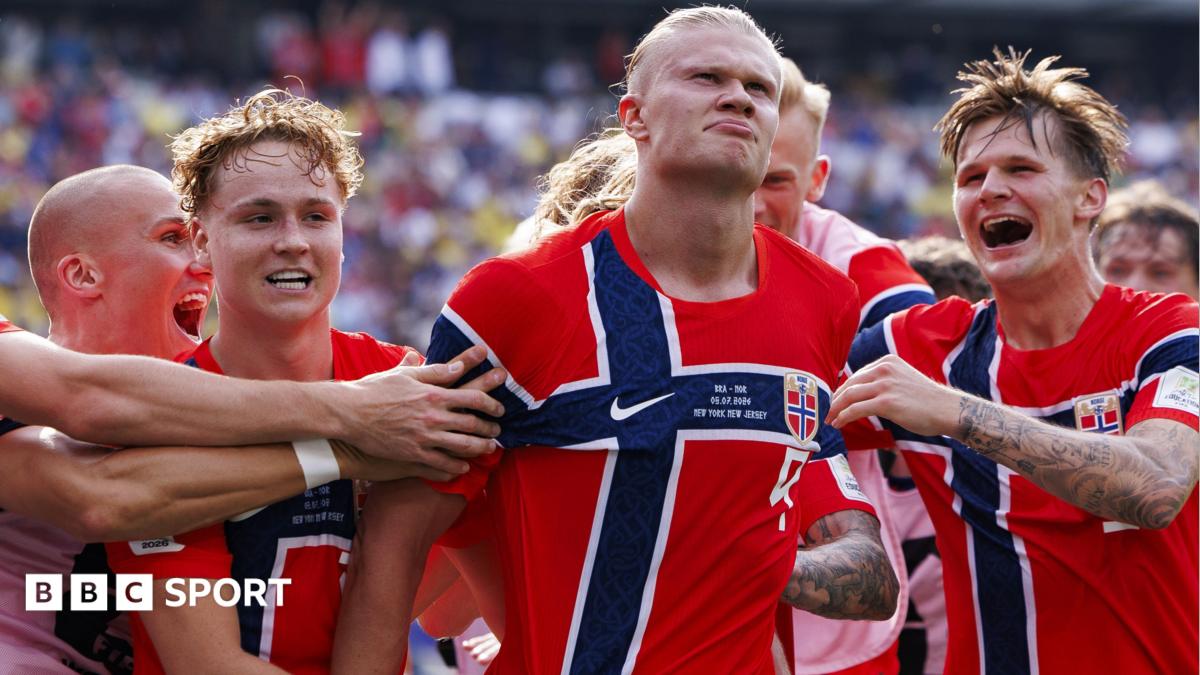
The adjustment paid off in the 79th minute when Schjelderup delivered a curling cross to the back post. Erling Haaland rose above Bremer to head past Alisson. This strike broke the deadlock with surgical precision and stunned the Brazilian supporters.
Norway's second goal in the 90th minute was a lesson in vertical efficiency. Martin Ødegaard intercepted a loose pass from André, immediately releasing Schjelderup into the left channel. The winger's low, early cross found Haaland sliding between two defenders to make the scoreline 2-0.
Neymar converted a penalty deep in stoppage time to finish the match 2-1, but the tactical damage was already complete. Norway finished with 1.12 non-penalty xG from just four shots. This clinical efficiency should alarm the English coaching staff ahead of their trip to Florida.
The defensive center-back pairing of Leo Østigård and Andreas Hanche-Olsen was outstanding. They combined for 14 clearances and blocked four shots inside the penalty area. Their physical presence prevented Brazil from finding space in the box after Nyland's early penalty save.
The Wright Critique: Why Scotland Stagnates While Norway Soars
Norway's historic run to the World Cup quarter-finals has exposed the deep structural rot in Scottish football. The contrast was highlighted by pundit Ian Wright, who lamented that Scotland's fans were being let down on a massive scale by their governing bodies. He argued that the nation needs a bolder, braver vision to revitalize the sport.
As BBC Sport reported, Scotland's exit in the group stage was characterized by an acute lack of offensive ambition. The team managed only two shots on target in their first two matches. Steve Clarke resigned shortly after the final whistle, ending a disappointing campaign.
The disparity between the two nations is not a matter of public support. Scotland's top-flight league boasts an average attendance of 16,000 per match. This figure dwarfs Norway’s modest average league attendance of 7,000.
Yet, Norway’s Eliteserien generates a television rights contract worth £25 million more annually than the Scottish Premiership. That revenue gap feeds directly into elite academy development and coaching pathways. It gives Norway the financial strength to produce world-class talents like Haaland and Ødegaard.
Tension between the camps had simmered long before the tournament. A planned warm-up fixture in North Carolina was abruptly cancelled, leading to a public dispute over training facilities. While Scotland spent their summer retreating into defensive shells, Norway prepared for elite opposition.
Now, Solbakken’s side stands eighty miles from a World Cup semifinal in Miami. Many Scottish commentators are looking at Norway's history-making tournament run to see if lessons can be learned across the North Sea. Scotland, meanwhile, begins another painful search for a new manager.
Tactical Chess in Miami: Tuchel's Positional Play vs. the Low Block
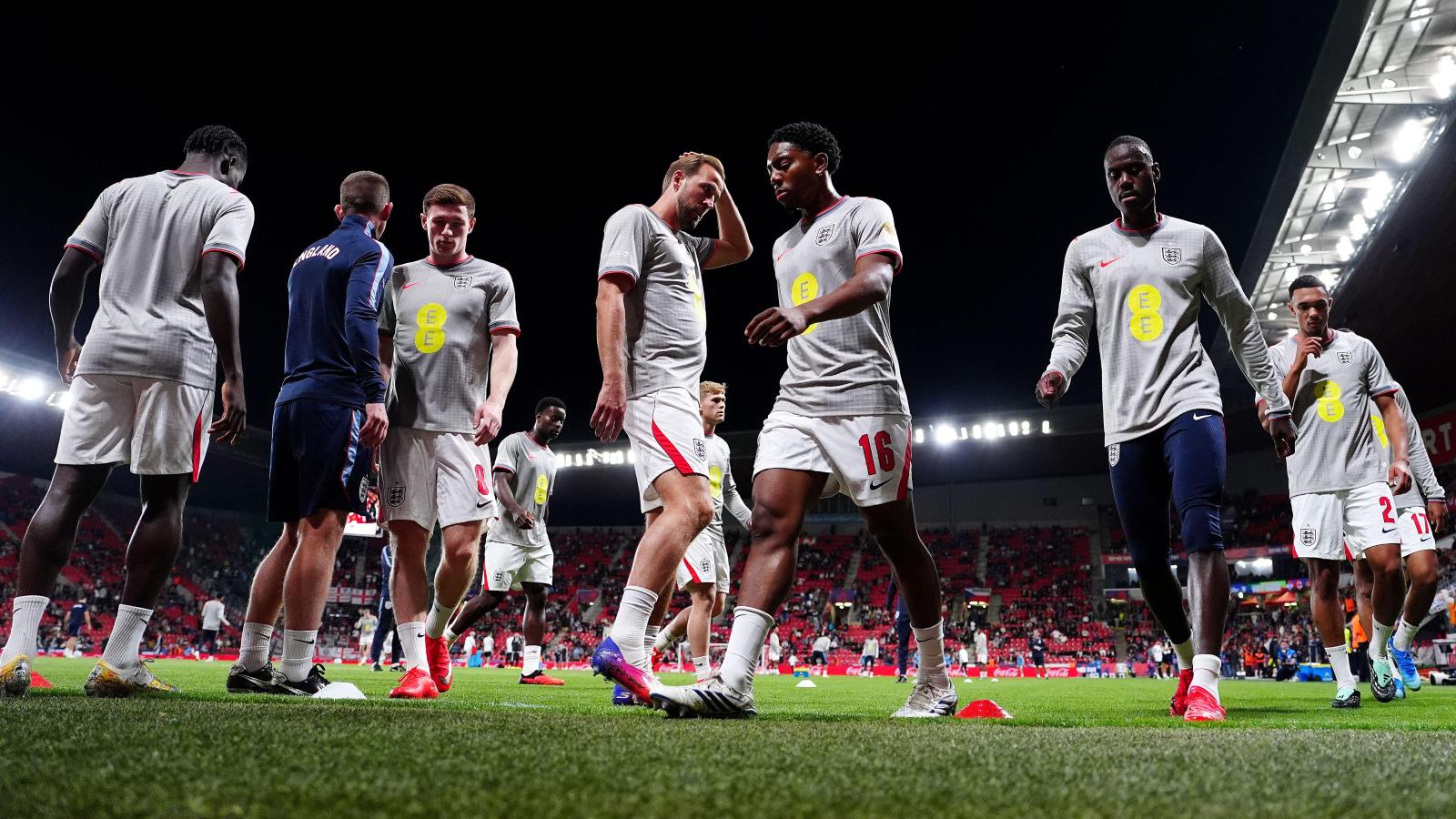
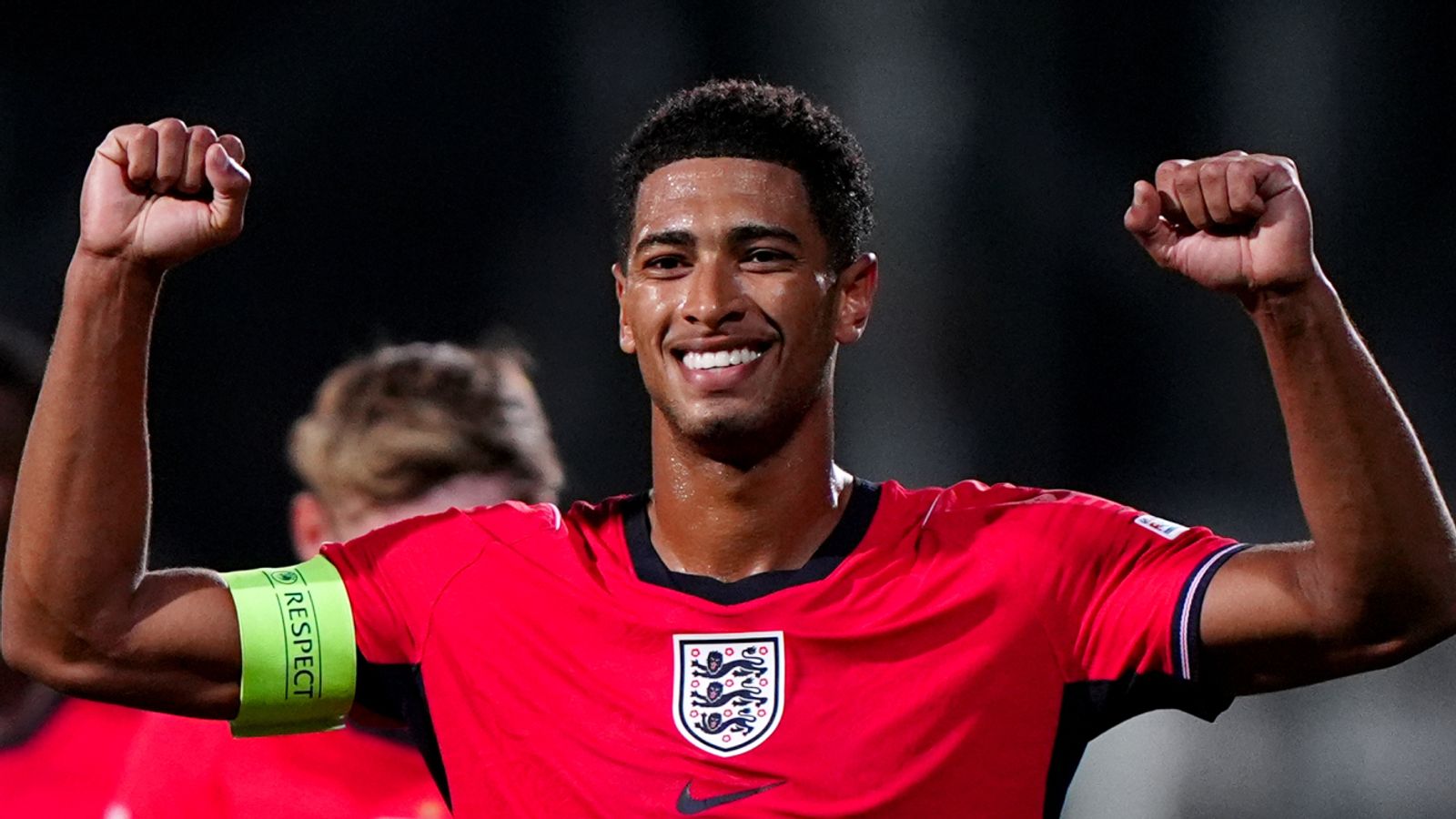
Thomas Tuchel will bring a highly structured 3-4-2-1 system to Miami. England will look to dominate the central zones, utilizing Jude Bellingham and Bukayo Saka as dual tenors in the half-spaces. The English side relies on short, high-tempo passing combinations to draw opposition block lines out of position.
If Norway remains compact, England will attempt to isolate Saka against left-back Birger Meling. This matchup represents a significant vulnerability for Norway if Meling does not receive regular cover. The Norwegian wingers must drop deep to prevent Saka from creating numerical overloads.
Norway's defensive structure relies heavily on the work rate of Patrick Berg. Berg sits directly in front of the central defenders, occupying the space where Bellingham likes to operate. During the Brazil match, Berg recovered possession nine times and completed 12 defensive actions.
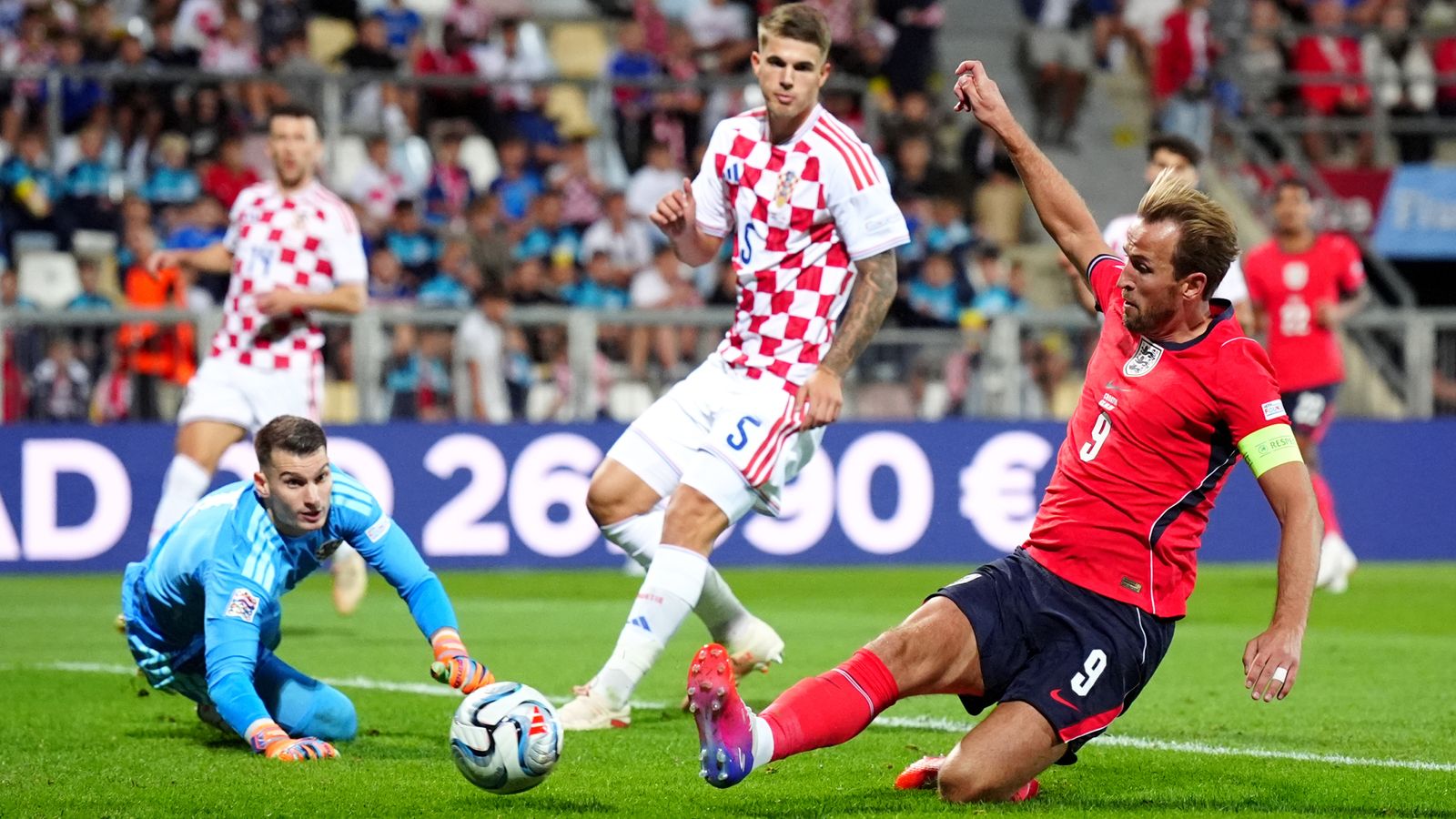
He will need to be equally disciplined to prevent England from finding passing lanes into the box. If Berg is pulled out of position, the space behind him will be exploited immediately. Harry Kane will drop deep to link play and drag defenders out of the back line.
Ødegaard remains the vital link in Norway’s transition game. The Arsenal captain completed 28 of his 32 passes against Brazil, with 12 of those progressing the ball into the final third. When Norway wins possession, Ødegaard immediately drops into the right half-space to escape pressure.
If Declan Rice cannot press Ødegaard quickly, England will find themselves exposed to Haaland's vertical runs. England's high defensive line will be tested constantly by these rapid vertical transitions. Tuchel must decide whether to instruct Rice to shadow Ødegaard player-to-player.
The Prediction: A Long Night for the Three Lions
Tuchel's England will control the ball, but control does not guarantee safety. Norway’s low block has proved resilient, and Nyland is playing with immense confidence after his penalty heroics. The battle in the midfield pivot will decide the tempo of the match.
If Rice and John Stones can suffocate Ødegaard, Norway will be starved of service. However, England's center-backs have looked vulnerable when forced to turn and run toward their own goal. Marc Guéhi and John Stones will struggle to contain Haaland in open space.
Solbakken will likely name an unchanged side, though keeping Schjelderup on the bench feels like a gamble. The young winger proved he is too dynamic to be used merely as a late relief option. Norway must avoid dropping too deep in the opening exchanges, as England's pressure can be relentless.
If Norway can survive the initial twenty minutes, the frustration will begin to build in the English ranks. Haaland only needs one clear opportunity to alter the course of the match. His partnership with Ødegaard is the most lethal transition weapon left in the tournament.
Expect a tight, physical encounter under the Miami heat. England will dominate the possession statistics, but Norway will score on the counter-attack. Ødegaard will slip Haaland behind a sleeping English backline early in the second half.
Norway will defend the lead with eleven players behind the ball. They will secure a historic 1-0 victory to advance to the semifinals. England will fly home wondering how their possession ended in defeat.
Read Next
- Belgium crushes US hopes as England survives Mexico City chaos
- Erling Haaland is terrifying, but England have the tactical antidote
- How the Balogun circus broke the US team in Seattle
- Why England have the blueprint to end Norway's World Cup fairytale
- 🏴 England World Cup 2026 — Three Lions Hub
- 🇳🇴 Norway World Cup 2026 — Can Haaland Lead the Vikings?
- 🏴 Scotland World Cup 2026 — Tartan Army Hub
- 🇧🇷 WC 2026 Group C — Brazil, Morocco, Scotland, Haiti
- ⚡ UCL Quarter-Finals 2026 — Full Coverage Hub