The Dallas Standoff
Knockout football at a World Cup does strange things to managers. When Australia face Egypt at the Dallas Stadium on Friday, both nations will step into territory they have never conquered. The stakes are massive, and the tactical battle lines are already drawn in the Texas heat.
Australia’s path here was a triumph of execution over aesthetic beauty. Tony Popovic’s side looked like outsiders in Group D, especially after being drawn with the United States and a high-flying Paraguay team.
Yet, they started with a solid 2-0 win over Turkey and backed it up with a stubborn defensive display to draw 0-0 against Paraguay, securing passage as runners-up. They are difficult to break down, physical in the air, and completely unapologetic about their lack of ambition in possession.
Egypt’s group stage was similarly gritty but unbeaten. A 1-1 draw with Belgium proved their resilience, followed by a 3-1 comeback against New Zealand and a tight 1-1 draw with Iran.
They missed out on top spot in Group G to Belgium on goal difference. Hossam Hassan’s team showed they can grind out results under pressure, but now they must do it with their talismanic leader operating at less than full capacity.
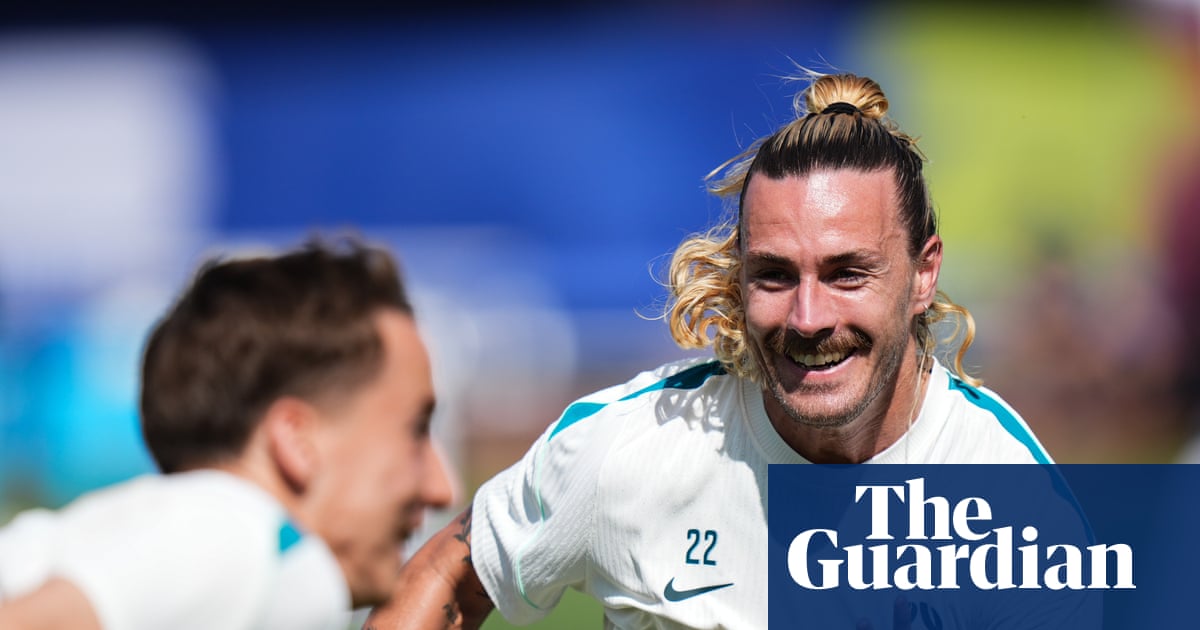
‘We feel relaxed, we feel confident,’ says Australia’s Tony Popovic
Popovic's Defensive Shield and the Flank Problem
Popovic is a defensive purist. He wants his team compact, narrow, and aggressive in the defensive third. In their three group games, the Socceroos allowed very few clear-cut chances from open play.
They force opponents wide and trust their center-backs to clear crosses. They look to transition quickly through the flanks. But that game plan has taken a massive hit due to recent injuries.
Right-back Jacob Italiano is out of the tournament with an adductor injury. Winger Mathew Leckie is also gone, ruled out with a hamstring tear.
This leaves Popovic with only 24 players and a massive vacancy on the right side of his system. Popovic must find a way to plug these holes without losing the defensive structural integrity that got them to Dallas.
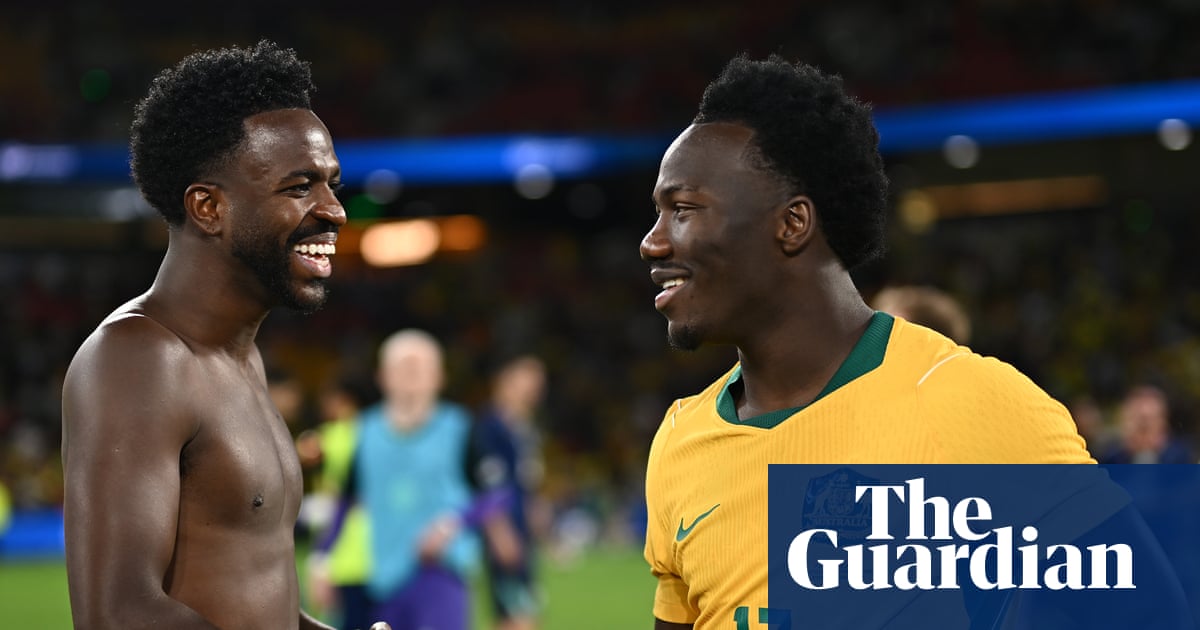
This brings us to the Nestory Irankunda dilemma. The 20-year-old Watford winger is a fan favourite and scored a brilliant goal against Turkey, but he is erratic defensively.
In a knockout game, Popovic’s natural instinct will be to opt for safety. Expect Irankunda to start on the bench, reserved as an impact weapon for the final 30 minutes when the game stretches.
Egypt's Injured Spine and Suspended Shield
Hassan has his own selection nightmare to solve. In midfield, Mohanad Lasheen is suspended after accumulating two yellow cards in the group stage. This is a massive blow to Egypt’s defensive transition coverage.
Without Lasheen’s positioning to stop counter-attacks, Egypt’s center-backs will be exposed directly to Australia’s long-ball transitions. To make matters worse, Egypt’s backline is patched up. Left-back Ahmed Fatouh has been ruled out with a hamstring tear, and Mohamed Abdelmonem is a major doubt after suffering severe ankle bruising against Iran.
Center-back Hossam Abdelmaguid does return after passing concussion protocols. Hamdy Fathy is also back in training after a groin issue. But this is a defensive unit that has not played together under high-pressure conditions.
Australia’s physical approach will test this makeshift defense immediately. The Socceroos average a high volume of long balls and aerial duels.
Hassan, however, is dismissive of Australia’s physical stature. As reported by The Guardian, the Egypt boss pointed out that height does not equal defensive invulnerability in modern football.
‘Messi isn’t that tall’: Pharaohs coach Hossam Hassan
The Mohamed Salah Conundrum
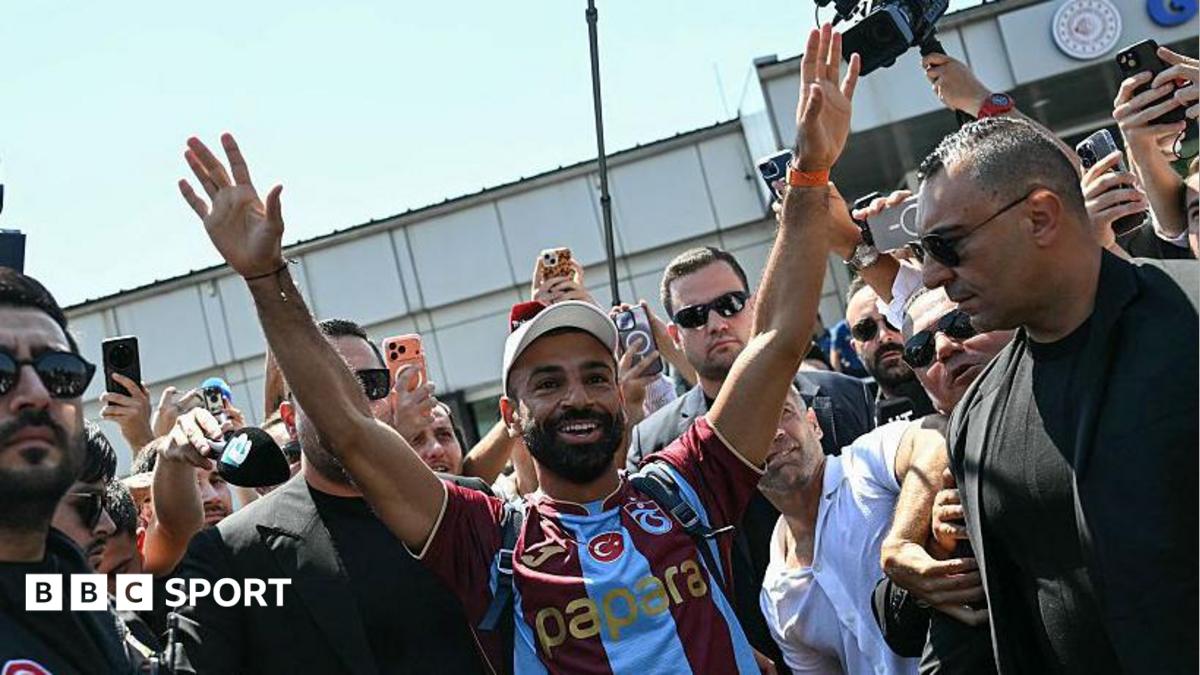
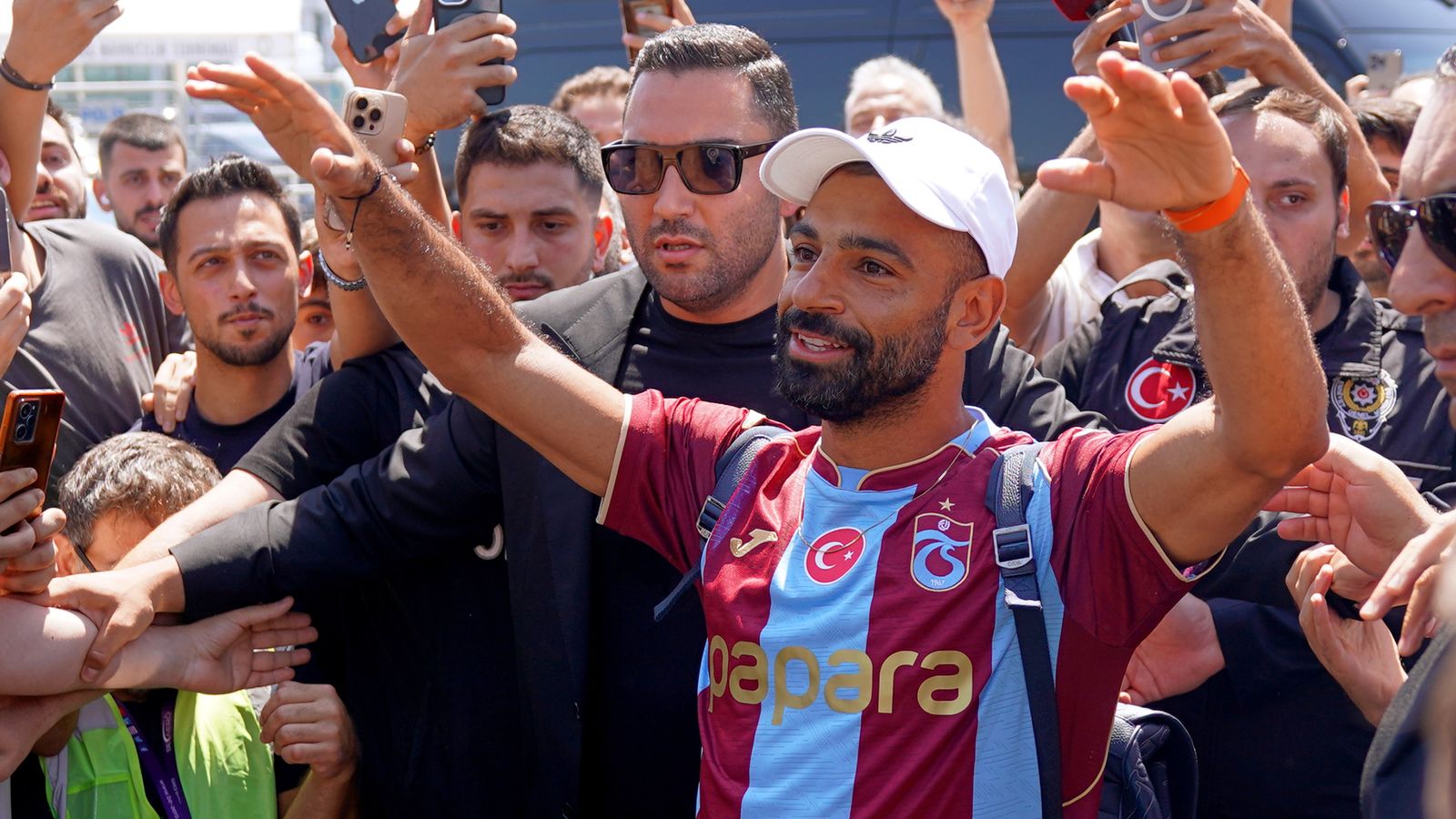
Everything in the Egyptian camp revolves around the fitness of Mohamed Salah. The 34-year-old veteran pulled up in the 57 minute against Iran with a hamstring strain.
He was seen on the bench with an ice pack, and Sky Sports reported that Hassan remains unsure whether his captain can start in Dallas. Salah took part in light training on Wednesday, but starting him is a massive gamble.
If Salah starts, his movement will inevitably be compromised. A compromised Salah is a tactical liability against a physical Australian block that will crowd his space and challenge him hard.
If Hassan leaves him on the bench, the attack must rely on Omar Marmoush, Trezeguet, and Ziko. While Marmoush offers directness, he lacks the gravity that Salah possesses to pull defenders out of position.
Egypt’s attack becomes dangerously predictable without Salah’s threat on the right wing. In the draw against Iran, Egypt’s passing became lateral and slow after Salah went off.
They struggled to progress the ball into the penalty box, resorting to hopeful crosses. Australia’s tall defenders will devour those crosses all afternoon if Egypt cannot find central penetration.
How the Dogfight Plays Out
This match will not be a classic. Australia will sit in a low block, challenging Egypt to break them down while missing their primary creative outlets.
Egypt will dominate the ball but struggle to play through the middle without Lasheen and with a nervous, restructured defense. The tactical battle will be won in the half-spaces and on set-pieces.
If Egypt commit too many players forward to break the block, they will get caught by Irankunda’s pace late on. But if they play too conservatively, the game will drift toward a shootout.
The key is whether Egypt can score early to force Australia out of their defensive shell. Given Egypt’s superior individual quality in the final third, they are priced at 7/5 to win in normal time.
Expect Egypt to find the breakthrough. Even if Salah only plays a limited role off the bench, Marmoush’s ball-carrying ability should draw fouls in dangerous areas.
Egypt will capitalise on a set-piece or a defensive error from a tired Australian team. The Pharaohs will secure a 1-0 victory, grinding their way into the round of 16 in a match that will be remembered for its tactical tension rather than its beauty.
Read Next
- Mohamed Salah is fit but Egypt face a massive World Cup gamble in Dallas
- Egypt are about to make a massive injury gamble with Mohamed Salah
- Mohamed Salah is fit for Australia but Egypt face a massive Dallas gamble
- Hossam Hassan is winning games but playing a dangerous political game in Egypt
- 🏆 World Cup 2026 — Full Coverage Hub
- 🇪🇬 Egypt World Cup 2026 — Salah's Last Dance
- 🇦🇺 Australia World Cup 2026 — Socceroos Hub