The Pressing Vacuum Left by Arne Slot
Anfield is a stadium built on forward momentum, but under Arne Slot, that momentum ground to a halt. When Jürgen Klopp departed in 2024, he left behind a side that recorded a league-leading PPDA of 8.00. In Slot's first season, that number rose to 10.80, a passive shift that prioritized slow build-up over aggressive high turnovers.
The tactical pivot away from out-of-possession aggression did not yield sustained defensive stability. By the 2025/26 campaign, Liverpool's pressing frequency collapsed by 20.4% compared to the previous season, averaging just 141 presses per match. This passivity left the team stagnant, resulting in a disastrous campaign where they lost 20 games in all competitions and fell to a fifth-place Premier League finish.
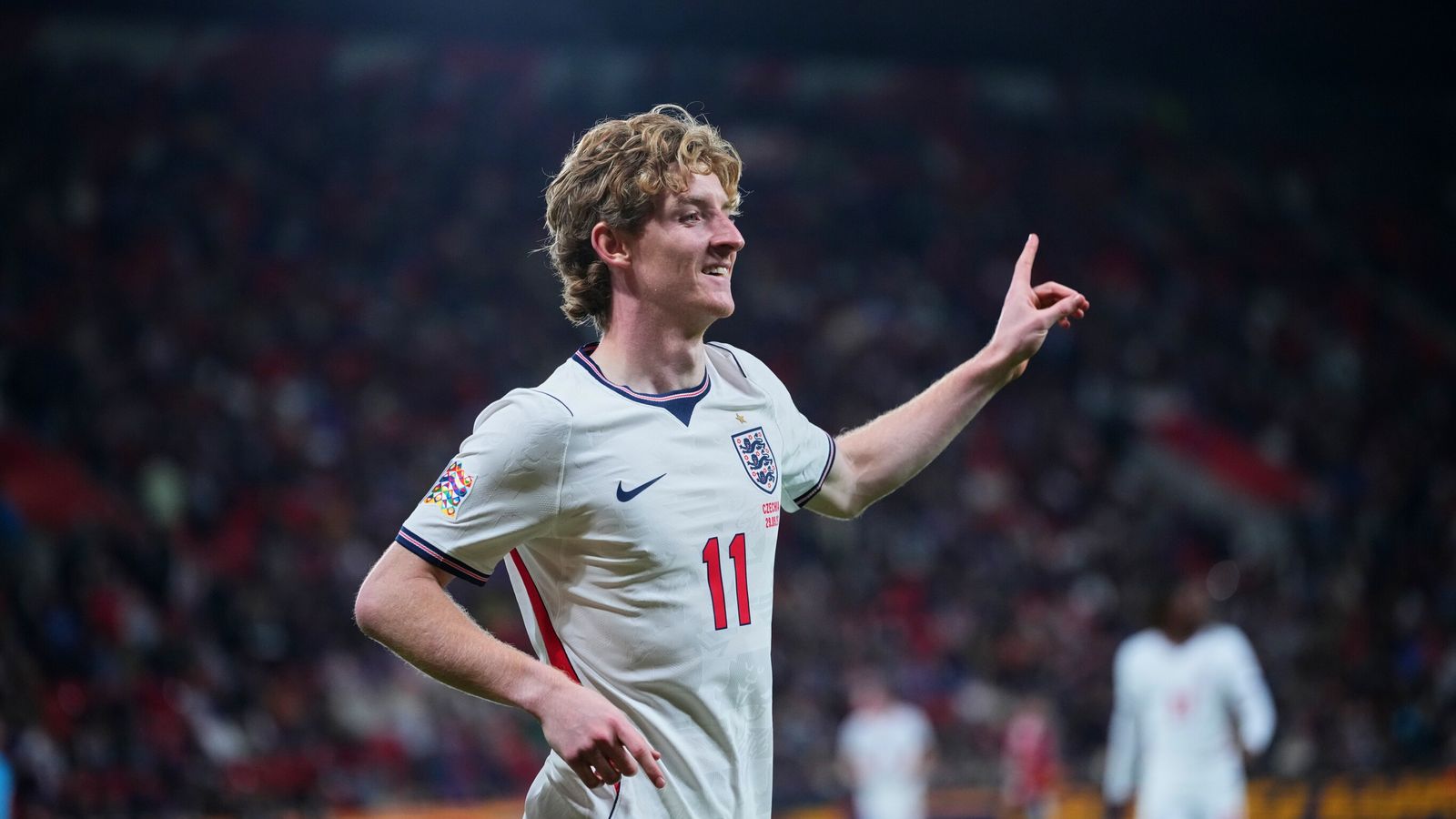
Former Liverpool striker Emile Heskey summarized the frustration on Sky Sports News, noting that the tactical approach had lost its edge under the Dutchman. Heskey remarked on the transition in styles, highlighting what the fans had lost:
"It got a little bit stale towards the end of Arne Slot's tenure. I think it was more possession-based football, whereas Liverpool fans for the last eight or nine years had become used to rock and roll football - really getting at teams, putting pressure on them, getting them on the back foot and making them make mistakes."
Slot’s possession structure regularly choked out its own midfield. In possession, Slot favored a 3-2-5 shape that focused heavily on short, lateral recycling. Without Klopp's counter-press to win the ball high up, opponents simply dropped into deep mid-blocks and waited for Liverpool to make mistakes.
In their 2-1 defeat to Brighton in January 2026, Liverpool completed 192 passes in their own third but registered just one shot on target from open play. This highlighted the sterile nature of their possession play.
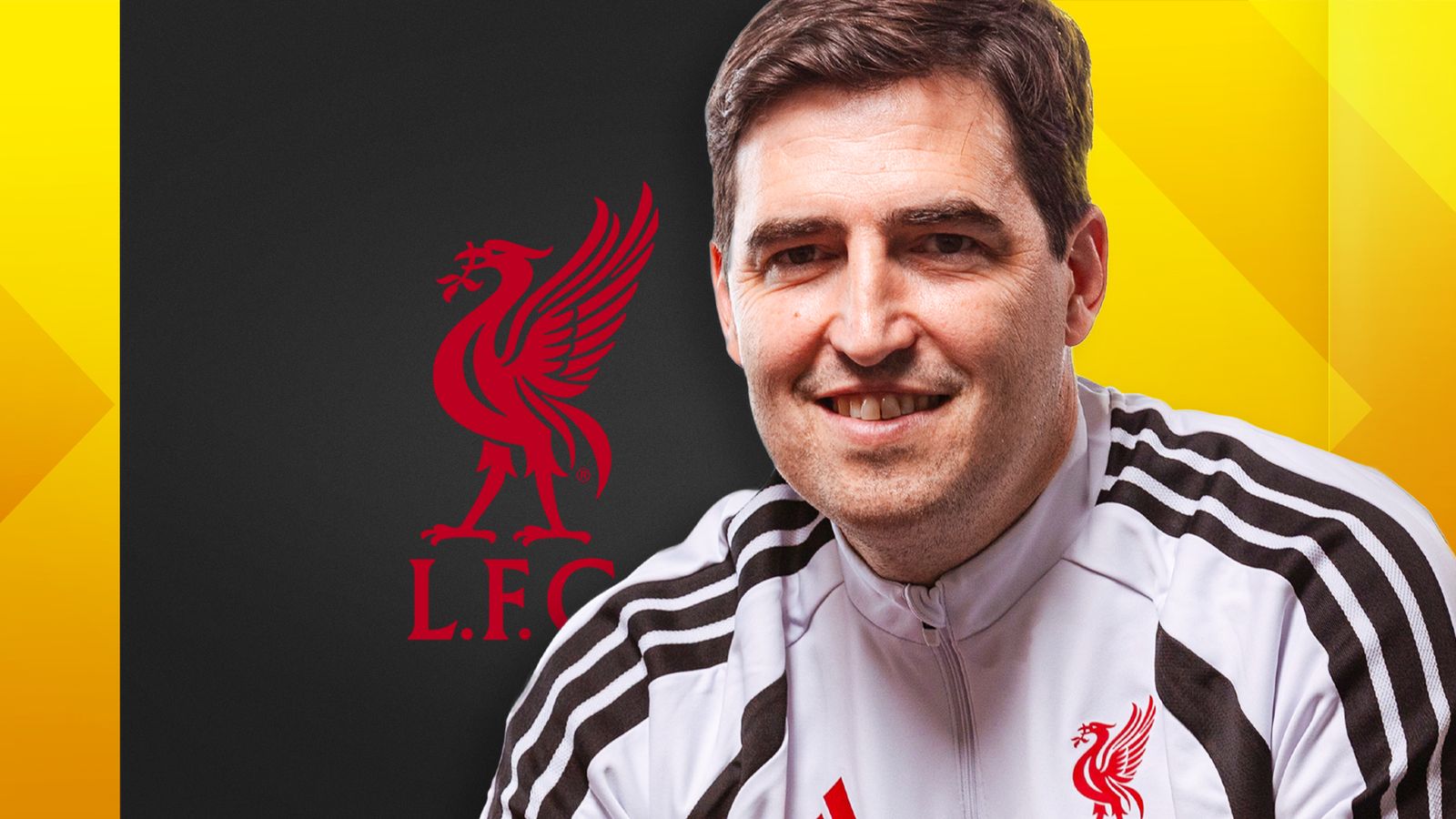
Under Andoni Iraola, who was appointed as the Liverpool head coach in June 2026, this passive recycling will end. According to reports from Sky Sports, the Basque manager has already brought in former Bournemouth captains Tommy Elphick and Shaun Cooper to join his coaching staff. Their task is to rebuild the high-intensity defensive structure that was completely dismantled over the last two seasons.
Iraola's Vertical Chaos Engine
Iraola's tactical blueprint is the exact opposite of Slot's patient control. During the 2024/25 Premier League season, Bournemouth recorded the lowest PPDA in the league with a figure of 9.9.
This number proved that Iraola’s Cherries were the most aggressive pressing outfit in England, refusing to let opponents build from the back. Rather than backing off, Iraola’s defensive block jumped high, using coordinated triggers to trap opposing full-backs along the touchline.
This aggressive defensive posture translated directly into offensive output. Bournemouth recorded 68 shot-ending high turnovers in 2024/25, the highest in the Premier League, which yielded 10 goals.
In contrast, Slot’s Liverpool ranked 12th in shot-ending high turnovers, registering just 38 over the same period. By refusing to wait for the opponent to make a mistake, Iraola’s teams actively force them into dangerous areas.
The speed of Iraola's transition play is equally striking. In the 2022/23 season, before Iraola arrived at the Vitality Stadium, Bournemouth managed just 11 shots from fast breaks.
In his first campaign, that metric exploded to 47 shots from fast breaks, leading the entire Premier League in direct transitional speed. This vertical velocity is exactly what Emile Heskey referred to when describing the rock and roll football that Anfield has lacked since Klopp's departure.
To execute this system, Iraola relies on a hybrid 4-4-2 out-of-possession press. The front two do not simply chase the ball; instead, they cut off the passing lanes to the opponent’s deepest midfielders.
When the center-back is forced to play wide to the full-back, it triggers an aggressive jump from Liverpool's wingers and advanced midfielders. The ball is won within three passes or the team drops into a compact mid-block, preventing the vertical passes that cut through Slot's disorganized press last season.
Under Slot, Liverpool players covered an average of 111.4 kilometers per 90 minutes. Under Iraola, Bournemouth averaged 117.8 kilometers per match, a physical demand that will require Liverpool’s squad to undergo a grueling physical adaptation during pre-season. The tactical shift is not a subtle adjustment; it is a complete rebuilding of the team’s physical output.
The Center-Back Crisis Awaiting the Basque Coach
While the tactical theory behind Iraola's appointment is sound, the squad he inherits is dangerously thin in key defensive areas. The primary tactical risk of a high-pressing system is the massive space left behind the defensive line.
Under Klopp, the recovery speed of Ibrahima Konate and Virgil van Dijk mitigated this risk. However, Konate has departed Anfield for Real Madrid on a free transfer, leaving a gaping void in the center of Liverpool's defense.
To replace him, Liverpool committed a fixed fee of £55m, with performance-related add-ons up to £5m, to sign Jeremy Jacquet from Rennes. The 20-year-old French defender is highly regarded, but he has never played in the Premier League and spent the end of last season recovering from a shoulder injury. French football expert Julien Laurens praised the young defender’s potential on Sky Sports News, comparing him to elite talent:
"He reminds me of when William Saliba burst onto the scene in France with Saint-Etienne, or Wesley Fofana. It's about how much you value that potential and talent. You would pay a lot of money for someone who hasn't really proved much."
But potential does not defend large spaces on a wet afternoon at St James' Park. Alongside Jacquet, Iraola’s center-back depth consists of Geovanni Leoni and Joe Gomez.
Leoni is still recovering from a torn ACL suffered on his debut last September, meaning he has played zero minutes of Premier League football in the last ten months. Gomez, meanwhile, has struggled with injuries throughout his career at Anfield, having only once featured in more than 30 league games in a single season.
This defensive fragility could prove fatal to Iraola's high-line system early in the season. If Jacquet or Gomez fail to execute the offside trap or lack the recovery speed to cover transitions, Liverpool will be highly vulnerable.
During the 2025/26 season, Bournemouth conceded 58 goals under Iraola, often due to opponents exploiting the space behind their high press. With Liverpool's current defensive personnel, that vulnerability could be even more pronounced.
Furthermore, the physical toll of this style will test a squad that looked exhausted by March last season. Slot's slower tempo was designed to conserve energy, but it resulted in a sluggish build-up.
Iraola will demand constant sprinting, which could lead to soft tissue injuries for players like Gomez and the returning Leoni. If the press is not fully coordinated, the center-backs will be left in 1v1 situations against the league’s fastest attackers.
The Pre-Season Countdown and the Opening Test
The fixture computer has handed Iraola a challenging introduction to life in the Premier League. Liverpool open their campaign against Newcastle United at St James' Park on August 23, a match that will be shown live on Sky Sports. This fixture will immediately test Liverpool's defensive structure against Newcastle’s fast transitions.
A home game against Nottingham Forest on August 29 follows, before a tricky trip to newly-promoted Ipswich Town on September 4. The early stretch also features a home clash against Fulham before a highly anticipated return to the Vitality Stadium to face Bournemouth on September 20. Three of Iraola’s first five games will be broadcast live, putting his tactical revolution under immediate media scrutiny.
If Liverpool cannot adapt to the physical demands of the Basque manager's style by late August, the defensive gaps will be exposed early. For Iraola, the pre-season is a race against time to implement a complex defensive system. The tactical stagnation of the Slot era cannot be cured by simply running harder; it requires coordinated movement, aggressive positioning, and defensive bravery.
If Iraola succeeds, he will restore the emotional, high-energy football that Anfield expects. If he fails, the lack of defensive depth will make for a very long campaign.