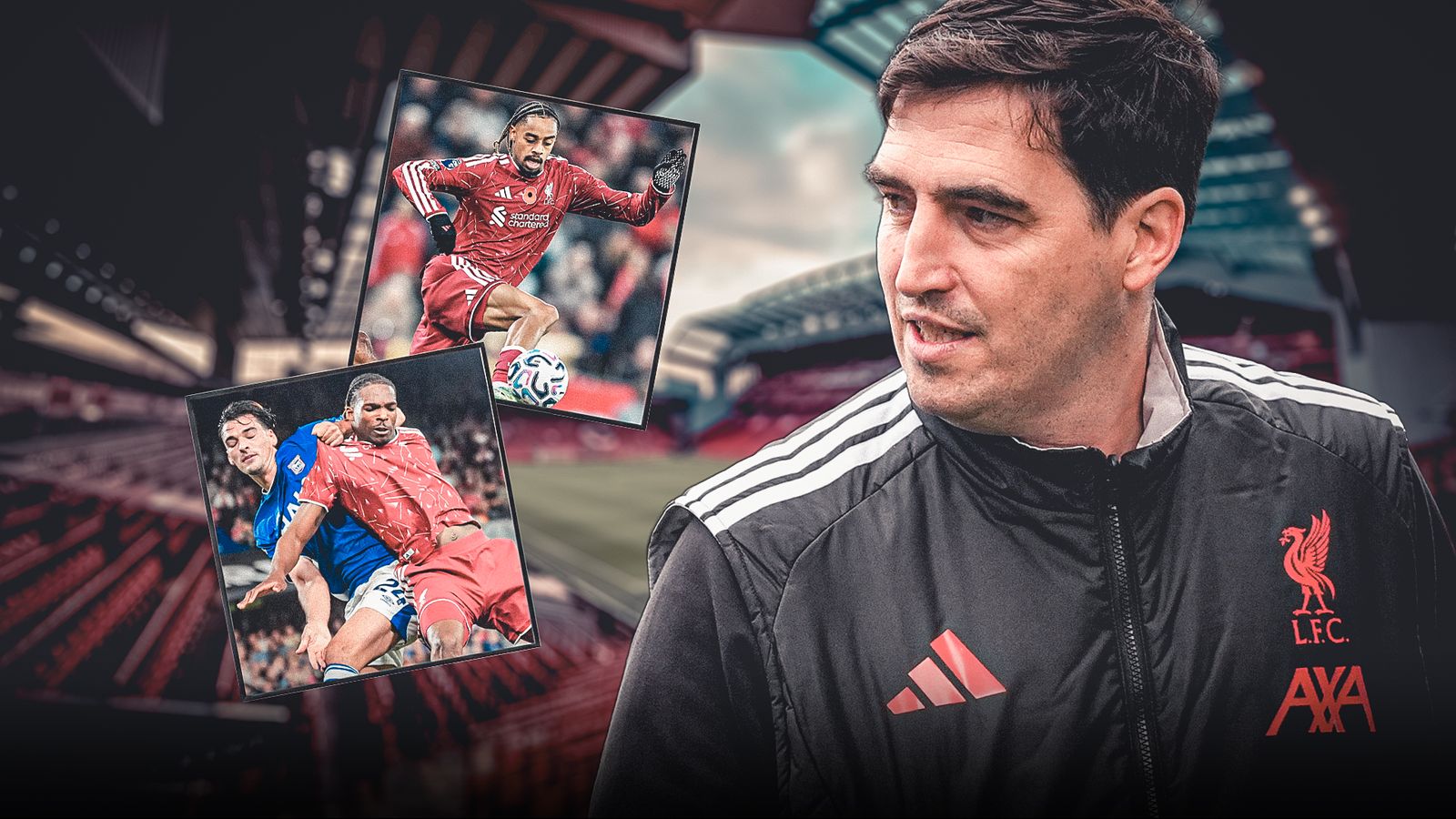
Grab a seat and look at the league table. When Andoni Iraola walked into Anfield in June, he asked everyone on Merseyside to hold their judgment until after the November international break. Ten Premier League fixtures have now passed, and the early balance sheet is fascinating.
Replacing Arne Slot was always going to require a complete stylistic overhaul. Slot lifted the Premier League trophy in 2024-25, but his title defense last season was a slow, painful grind that left Liverpool fifth and 24 points off their championship pace. The Dutchman paid with his job before summer kicked into full swing.
Enter Iraola, fresh from three outstanding campaigns turning Bournemouth into one of the most relentless sides in the top flight. Fenway Sports Group wanted energy, speed, and aggression back on the pitch rather than cautious, sideways possession. Less than six months into his tenure, the Basque coach has completely dismantled the old script.
Sitting fourth in the table with two defeats after 10 games looks respectable enough on paper. Yet the tactical numbers reveal an entirely different animal. Iraola has injected sheer adrenaline into every department, even if the ride has been chaotic.
The Pressing Trap and the Perils of Man-to-Man Chaos
The immediate shift this season is running volume. Under Slot, Liverpool pressed like an exhausted commuter jogging for a train they knew they had already missed. Today, opposing central defenders are hounded the second the ball rolls off their boots.
Virgil van Dijk has spoken openly about this tactical shift. This is not a nostalgic copy of Jurgen Klopp’s vintage setup. Football evolved, and Iraola demands intense man-to-man duels in every sector of the pitch.
"Under Jurgen, we pressed a lot with shuffling across, we tried to box them in one side, but football has changed. So, it's different - but what isn't different is the amount of sprints and running and trying to get the ball back as soon as possible. You have to try to create this chaos, second balls, battles, and that's what we still are learning."
That aggressive mindset produces pure mayhem. When Liverpool trap opponents near the touchline, turnovers turn into instant chances. Van Dijk routinely follows his assigned forward across the halfway line to contest duels on the front foot.
Yet that aggression carries severe risks. When an opponent breaks the first line of pressure, Liverpool’s back line is suddenly stranded in open acres. Van Dijk acknowledged that clever managers are already scheming to drag Liverpool's center-backs into awkward zones to exploit the vacant space behind them.
Iraola also uses tactical confusion in his wide forward areas to keep opponents guessing. He rotates wingers constantly regardless of their preferred foot, often swapping their flanks midway through a match. Opposing fullbacks spend ninety minutes reacting to different angles, never settling into a defensive rhythm.
How Ronald Araujo Rescued a Broken Back Line
Set-piece defending was Liverpool's greatest embarrassment during the final months of Slot's reign. The Reds conceded 23 Premier League goals from dead balls last season, a shocking figure that almost outdid Iraola's own Bournemouth, who shipped 26. Watching Liverpool defend an inswinging corner had turned into pure comedy.
Fixing that flaw required intense training ground discipline and a major personnel tweak. Assistants Tommy Elphick and Shaun Cooper took charge of reorganizing the defensive routines. As highlighted in recent Sky Sports analysis, Liverpool have conceded just two goals from set pieces across their opening 10 league matches.
The tactical turnaround gained traction in September at Ipswich Town. Iraola moved Uruguayan center-back Ronald Araujo out to right-back, adding raw height and physical power to an area that had been repeatedly targeted.
"I think we have, touch wood, dealt very well with defending set pieces so far this season. It definitely helps having a centre-back at right-back when we talk about defending set pieces. It helps a bit with the height and the physicality of the team."
The statistical turnaround since that afternoon at Ipswich is remarkable. With eleven men on the pitch, Liverpool have conceded just three league goals since Araujo stepped into the lineup.
Compare that stability to the chaotic final year under Slot. Liverpool allowed 53 league goals across that 38-game campaign, the worst defensive return in the club's modern Premier League history. By introducing Araujo out wide, Iraola slammed the back door shut without sacrificing forward momentum.
Direct Long Balls and the Return of Second-Half Grit
Patience is dead. Liverpool no longer spend two minutes rolling the ball sideways across the halfway line waiting for an opponent to blink. Iraola wants the ball moved forward immediately, turning Van Dijk into a deep-lying launcher.
The numbers tell an unmistakable story. Liverpool are currently firing 50.8 long passes per game, exceeding both Slot’s final campaign and Klopp’s farewell year. They win aerial duels, hunt down loose balls, and force opponents to defend backwards toward their own net.
Van Dijk has embraced the responsibility of mixing up Liverpool's attacking routes. As noted in detailed Sky Sports reporting, the captain understands that finding balance is everything. When teams squeeze the middle, he cuts them open with crossfield switches to isolated wide forwards to create instant transitions.
That directness has coincided with a revival of Liverpool's mental resilience. Last season, conceding first felt like an automatic defeat. The squad collected a pathetic total of five points from losing positions across the entire 38-match calendar.
Under Iraola, that softness has disappeared. Liverpool have already equaled that five-point recovery total in just 10 league matches. They mounted a thrilling comeback victory at Brentford and battled back to rescue gritty draws away at Newcastle United and Nottingham Forest.
They still have a massive mountain to climb to match the 28 points Klopp’s Mentality Monsters clawed back during 2023-24. But the psychological difference is obvious. When this team falls behind, they sprint faster and hit harder instead of dropping their heads.
The Bizarre Anfield Slump Facing a Relegation Showdown
For all the tactical progress, Iraola faces a glaring, undeniable flaw in his record. Liverpool have been exceptional travelers this season, yet their form at Anfield has been bafflingly poor.
Through 10 league fixtures, Liverpool have managed just one single victory on home turf: an October 2-0 win against Brighton. Incredibly, that represents their only league win at Anfield since April. For a ground famed across world football for its suffocating intimidation, that is an unacceptable reality.
Opponents have spotted the pattern. Visiting managers pack their defensive boxes, absorb Liverpool's opening wave of pressure, and wait for the stadium to grow restless. When the early breakthrough fails to arrive, Liverpool's high line becomes an invitation for counter-attacks.
Iraola understands how vital the home crowd is to his tactical philosophy. He knows the supporters respond when the team goes all-in, but starting fast is only half the battle. If Liverpool cannot unlock stubborn low blocks, the home advantage evaporates.
That tension makes Super Sunday an explosive occasion. Arch-rivals Manchester United travel down the East Lancs Road currently stranded in the relegation zone. On paper, it looks like an ideal setup for Liverpool to dominate their bitter rivals.
Yet history suggests nothing will be simple. Liverpool have not beaten United in the league at Anfield since that historic 7-0 rout in March 2023. Dropping points at home to a side fighting relegation would instantly turn public scrutiny back onto Iraola.
The November break has passed, and Iraola's tactical blueprint is clear for everyone to see. He solved the set-piece crisis, revived Liverpool's fighting spirit, and made them a terrifying prospect away from home. Now he must prove he can actually win matches in front of the Kop.