The regional push for 2032
Burkina Faso, Mali, and Niger have officially submitted a joint bid to host the 2032 Africa Cup of Nations. News originating from BBC Sport places this development firmly in Tier 1 territory regarding official tournament governance. These three nations, currently operating under military-led administrations, are aiming to bring the continent’s most prestigious footballing event to the Sahel region.
This application stands as a massive undertaking for the trio. The logistics involved in hosting a modern continental tournament require advanced transport networks and world-class stadiums. Questions regarding whether these nations can meet CAF’s strict infrastructure mandates are already circulating among regional analysts.
The infrastructure hurdle
Hosting duties demand a minimum of six high-grade stadiums alongside specialized training facilities. Currently, none of the three nations possess the requisite capacity to host a 24-team tournament in isolation. A combined bid suggests a distributed model, spreading matches across cities like Ouagadougou, Bamako, and Niamey.
The financial burden is equally significant. With a combined population facing complex economic realities, the projected capital expenditure for venue construction is immense. Critics point to the tournament's evolution in scale since the 2021 expansion. Simply fielding enough pitch time is no longer enough; the commercial requirements are suffocating for mid-tier economies.
Tactical and political implications
Beyond the pitch, the governance of the three nations is a central talking point. CAF has historically navigated complex political climates, but a joint bid by military-governed states introduces unique vetting criteria. The Confederation of African Football typically seeks stability to ensure broadcasting rights and sponsor retention are secure for the duration of the cycle.
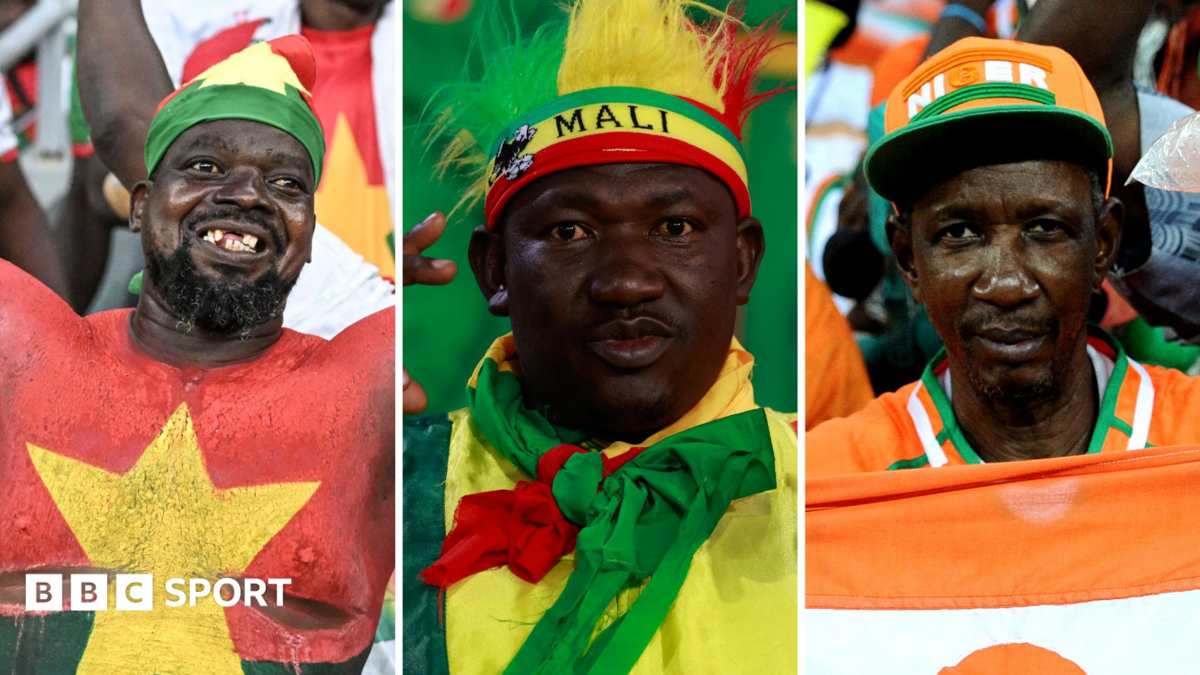
From a purely sporting perspective, the regional support for football in this part of the Sahel is undeniable. Fan passion in these countries is relentless. If the bid is accepted, it would act as a massive catalyst for local development, provided the administrative execution matches the enthusiasm of the supporters.
Evaluating the path forward
The probability of this bid succeeding is currently low to medium. The competition for hosting rights has become a high-stakes race involving nations with deeper pockets and more established transit networks. CAF will look for a safe pair of hands to minimize risk factors following the logistical friction seen in previous tournament editions.
If successful, the 2032 tournament would likely mirror the 2012 co-hosting model between Equatorial Guinea and Gabon. The tournament would split group stages efficiently, but the knockout rounds would require a primary central hub. The timeline for this decision is still in the nascent stages. We should expect CAF to initiate a full site assessment phase within the next 18 months to determine if the proposed stadiums even meet current safety regulations.
Failure to provide adequate security guarantees will kill this bid before it reaches the final round of voting. Organizing a tournament of this magnitude requires absolute transparency regarding revenue streams and building contracts. If the trio cannot show their work on the stadium audits, they are essentially dead in the water.
Expected impact of a win
A victory for the tripartite bid would rewrite the narrative of football development in West Africa. It would force a massive influx of investment into regions currently starved of top-tier hardware. Success or failure depends heavily on whether these nations can convince the continental body that their stability is sufficient for a month-long celebration of African football.
The fans would undeniably provide an atmosphere unmatched in recent memory. However, the gap between desire and capability remains wide. Investors, broadcasters, and national team managers will watch this process with sharp skepticism until concrete construction timelines are finalized by an independent, third-party observer.
Final analysis on viability
The 2032 target date gives these federations a runway of six years to modernize their approach. That is a lifetime in football terms. If they utilize this window to build partnerships with regional investors, the bid gains legitimacy. If they treat this merely as a political statement, the proposal will be dismissed by the committee in favor of candidates with deeper portfolios and less volatility.
Expect quiet whispers of concern from established tournament sponsors in the coming months. They want growth, but they prioritize reliability above all else. Success in the bidding process hinges on presenting a united, workable front rather than a collection of ambitious stadium blueprints.