The Moments That Defined a Volatile Year
Football in 2026 reached a breaking point, blending on-pitch brilliance with administrative blunders and dressing room mutiny. These ten moments represent the bizarre, the elite, and the outright infuriating.
1. The Arokodare Standoff
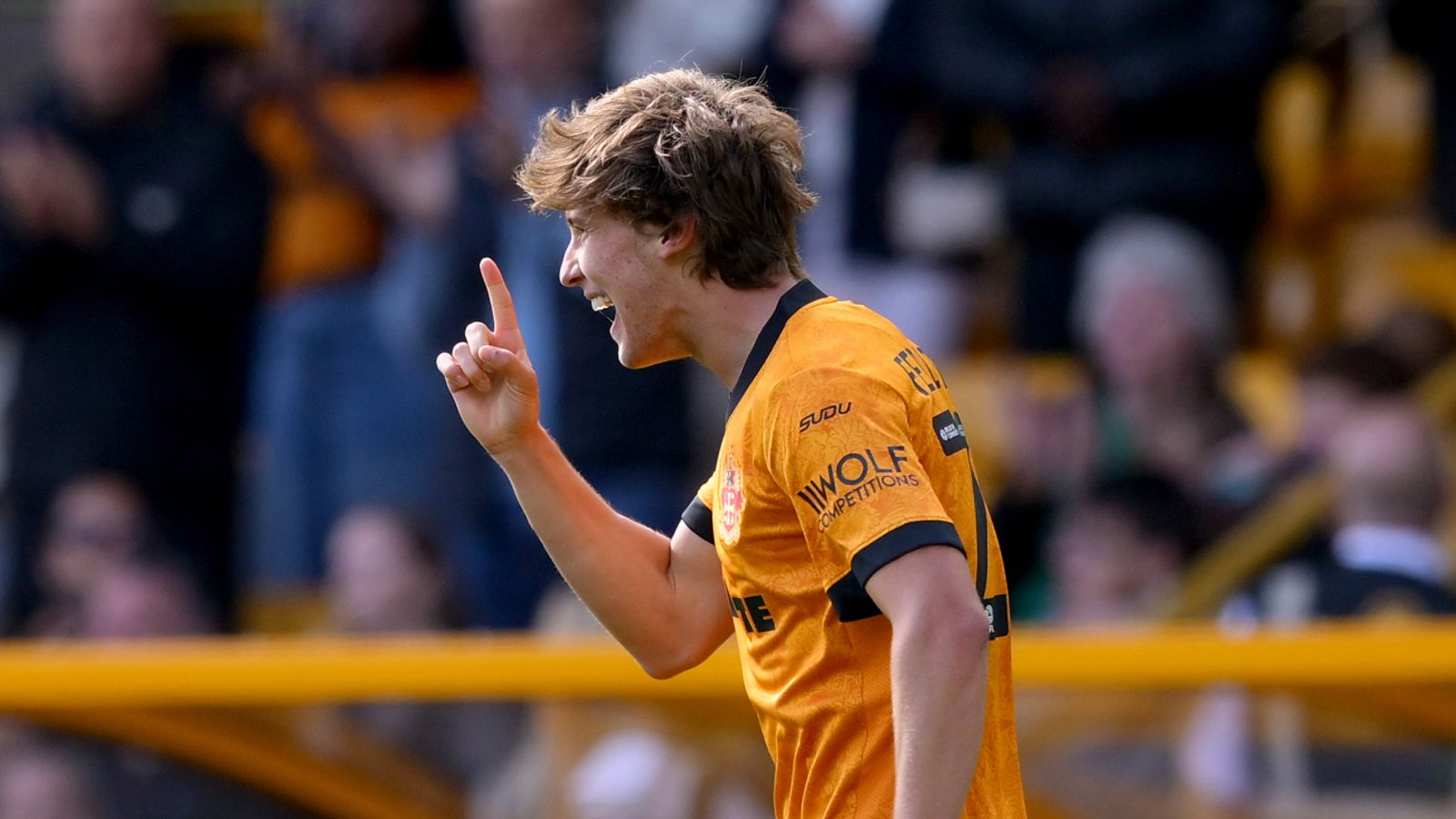
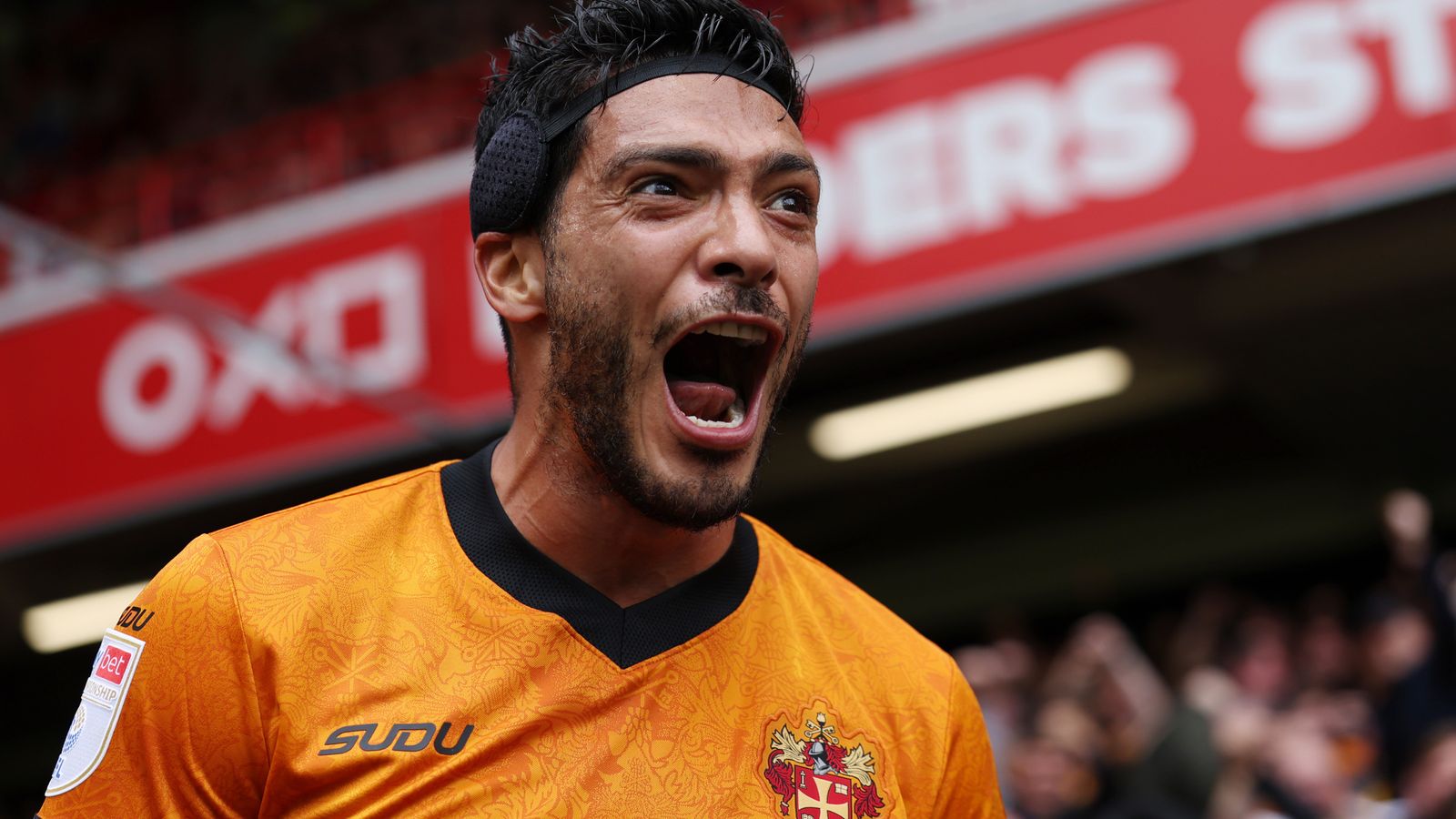
On July 21, 2026, Tolu Arokodare pushed his defiance to the absolute limit. He refused to vacate the training pitch at Wolves after a tactical dispute, forcing coaching staff to cancel the entire session. This incident marks the most unprofessional display of the calendar year to date.
While some argue it shows a hunger for minutes, the reality is a failure of internal communication. It serves as a stark reminder of the ego-driven problems currently festering in the Premier League. As the BBC reported, the disruption sidelined the entire squad for the day. Arokodare has talent, but sabotaging training is a fast track to the exit door.
2. The Chicago Clash: Tsuji vs. Takeshita
The G1 Climax kicked off in Chicago with a heavyweight collision that set an impossible bar. Yota Tsuji and Konosuke Takeshita traded strikes for 28 minutes, delivering a masterclass in pacing. It wasn't just a wrestling match; it was a physical statement regarding the future of the sport.
Takeshita’s resilience against Tsuji’s power spots proved exactly why he remains the premier import in NJPW. While some critics complain about match length in the G1, this bout justifies every second. It ranks second only because Arokodare’s meltdown had a more tangible impact on a professional organization’s daily operations.
3. J-Rod’s WWE Pivot
The transition of independent darling J-Rod to the WWE spotlight is the biggest development for recruitment in 2026. Her tryout announcement in Minneapolis reflects the aggressive shift in corporate strategy at Stamford. Watching a standout talent choose a WWE path over traditional independent circuits creates a massive shift in the industry.
Whether she succeeds is entirely on her, but the move is calculated. She is entering the system on July 21, 2026, amid a window where the company is desperate for new faces. Skeptics suggest the corporate machine will strip away the flair that made her a star, but the exposure is undeniably lucrative.
4. The Mid-Season Manager Walkout
The sudden resignation of a top-tier manager in May left a vacuum that teams are still struggling to fill. Leaving a club three months before the transfer window opens is essentially a professional abandonment of duty. The timing was catastrophic, stripping the squad of direction during recruitment.
It remains the primary reason the club has dropped ten points in the league standings. Without a clear plan, the squad is aimless. This is a lesson in why loyalty in the modern game is purely transactional.
5. The 95th Minute Equalizer
In mid-April, a relegation battle turned on a bizarre refereeing error during an injury-time penalty. The official ignored a clear handball from the attacking winger before blowing the whistle for a questionable push on the defender. It ended in a 1-1 draw that crippled the loser’s survival chances.
VAR was checked for four minutes, yet the wrong call stood. This moment cost the home side roughly $15 million in projected TV revenue for the following season. Referees rarely face consequences for these blunders, which is the true scandal.
6. Champions League Upset
A perennial quarter-finalist falling to a minnow in the group stages in February was the shock of the year. The favorites controlled 72% of the possession but surrendered two goals on counter-attacks. It happens, but this was a systematic dismantling of a high-paid defensive line.
The manager's post-match comments blaming the grass quality were delusional. Good teams adjust; they don't complain about the pitch. It was an embarrassment that exposed their lack of depth.
7. The Stadium Financing Collapse
In March, a planned stadium renovation was scrapped due to a failure in local council funding. The project was the cornerstone of the club's 2026 financial forecast. Investors pulled their capital within forty-eight hours of the announcement.
Now, the team plays in a decaying ground that fails to meet modern standards. This is purely a front-office failure. Revenue streams are stalled indefinitely as a result.
8. The January Transfer Overpay
One club spent $85 million on a striker with four goals in his previous twenty games. The player has failed to score in three months since arriving. It is the most egregious example of panic buying in a decade.
Data analytics suggested he was a liability, but the board ignored the scouting reports. The manager is now forced to play him to justify the fee. It is a sunk-cost fallacy in action.
9. The Record-Breaking Win Streak
A ten-game win streak in the spring saw a mid-table side climb into European qualification spots. They did it with a high-press system that relied entirely on two wing-backs. It was statistically unsustainable, yet it worked for exactly eleven weeks.
Predictably, they collapsed in June once teams realized they could sit deep and hit the flanks. It was a fun run, but it lacked the defensive maturity to stay in the top four.
10. The Tactical Masterclass
The tactical shift to a back three in an FA Cup semi-final was brilliant. The manager moved his best midfielder to the center-back role to dictate play from deep. It stifled the opponent's transition game completely.
They kept a clean sheet and won 2-0 comfortably. It was the only time all year that coaching changes actually resulted in a tangible, lasting improvement. Everything else on this list has been marked by chaos or mismanagement.