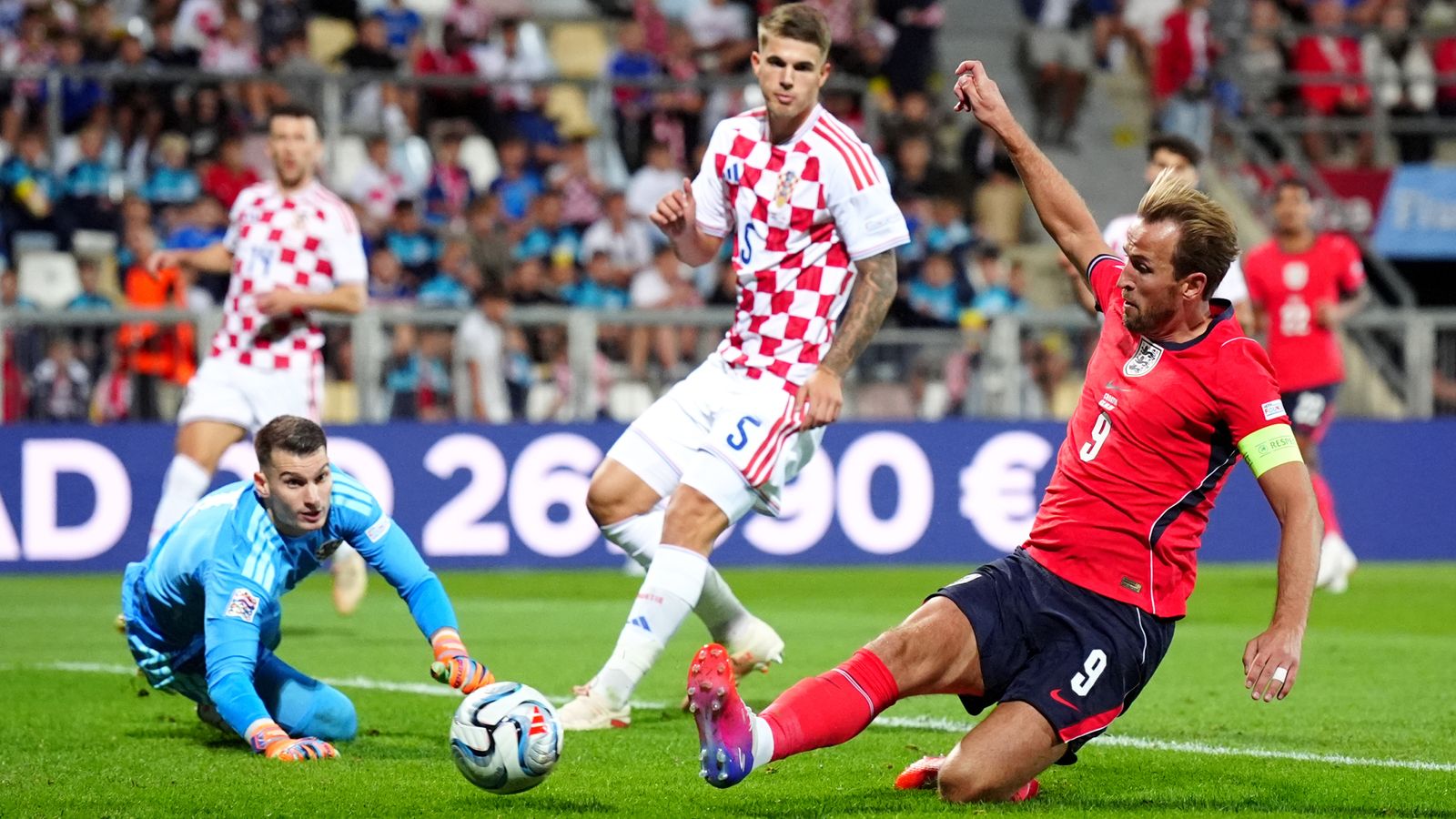
Tuchel must gamble on freshness to survive the Norwegian storm

Tactical paralysis at the World Cup
England’s path to the quarter-finals has been anything but smooth. The round of 16 victory against Mexico was halted by mid-game thunderstorms, forcing a stop-start rhythm that clearly taxed the squad. Thomas Tuchel now faces a Norway side that thrives on transition, and the news that a trio of players missed team training this week is a cause for genuine alarm.
You cannot approach a match against a team of Norway’s discipline with a recovery-heavy training schedule. The internal fatigue is starting to show. If Tuchel opts for his standard conservative setup, he risks being overrun by a midfield that has had two extra days of tactical drilling while England’s staff monitored the skies for lightning strikes.
The Arsenal connection at the heart of the debate
Martin Odegaard has spent the week praising his Arsenal club-mate within the England squad, highlighting the individual quality present in this generation. While the camaraderie is evident, it underscores the tension of playing against your own training partners. Odegaard knows the triggers, the movement patterns, and the specific weak points of the English defenders he sees every day at London Colney.
Wayne Rooney recently outlined his case for changes to the starting XI. He is right to demand a shake-up. Sticking with the same eleven that struggled to establish a high block against Mexico is essentially gifting the game to Norway. A rotation in the double pivot is required to inject some verticality into the final third.
Weathering the psychological elements
The looming forecast for the quarter-final is the final variable in a tournament dictated almost as much by meteorology as by managers. When pitch conditions deteriorate, the technical game plan is often abandoned for long-ball tactics, lowering the xG average across the board. If the match degrades into a slog, Norway’s physicality in defensive transitions will be a difficult hurdle for this specific English attack.
Meanwhile, the sentiment of the week at Old Trafford offered a brief distraction from the pressures of international duty. Wayne Rooney and Michael Carrick were present to witness their sons sign scholarship deals, a reminder of the generational turnover occurring in the game. It is a moment of continuity that contrasts sharply with the frantic, short-term needs of the national team.
The case for a high-risk alteration
Tuchel needs to decide if he will play to avoid defeat or to progress. Leaving key performers on the training sidelines suggests a lack of fitness depth, necessitating a tactical shift to a 3-4-2-1 to cover for the missing wide players. The defensive third has looked far too passive in recent encounters, conceding an average of 1.4 expected goals per game, which is sustainable only if the front three finds early clinical success.
Failure to integrate fresh legs will likely see England knocked out before the semi-finals. While the technical ceiling of this group is high, the management has frequently failed to adjust for the specific speed of opponents like Norway. One might argue that the reliance on the core eleven is the fundamental oversight of this campaign. If the trio currently missing training are not ready, the bench must be utilized with more conviction than we saw in the Mexico clash.
Soccer: The Ultimate Guide to the Beautiful Game
Everything you need to know to debate tactics and history like a true expert.
Frequently Asked Questions
What tactical change is suggested for England’s match against Norway?
Why is Martin Odegaard a threat to England in the quarter-final?
How did the round of 16 match against Mexico impact the England squad?
What is the primary concern regarding England's defensive performance?
How do adverse weather conditions affect the team's tactical game plan?
More Coverage

Arsenal face Leeds with Arteta locked in and a point to prove
1 day, 11 hours ago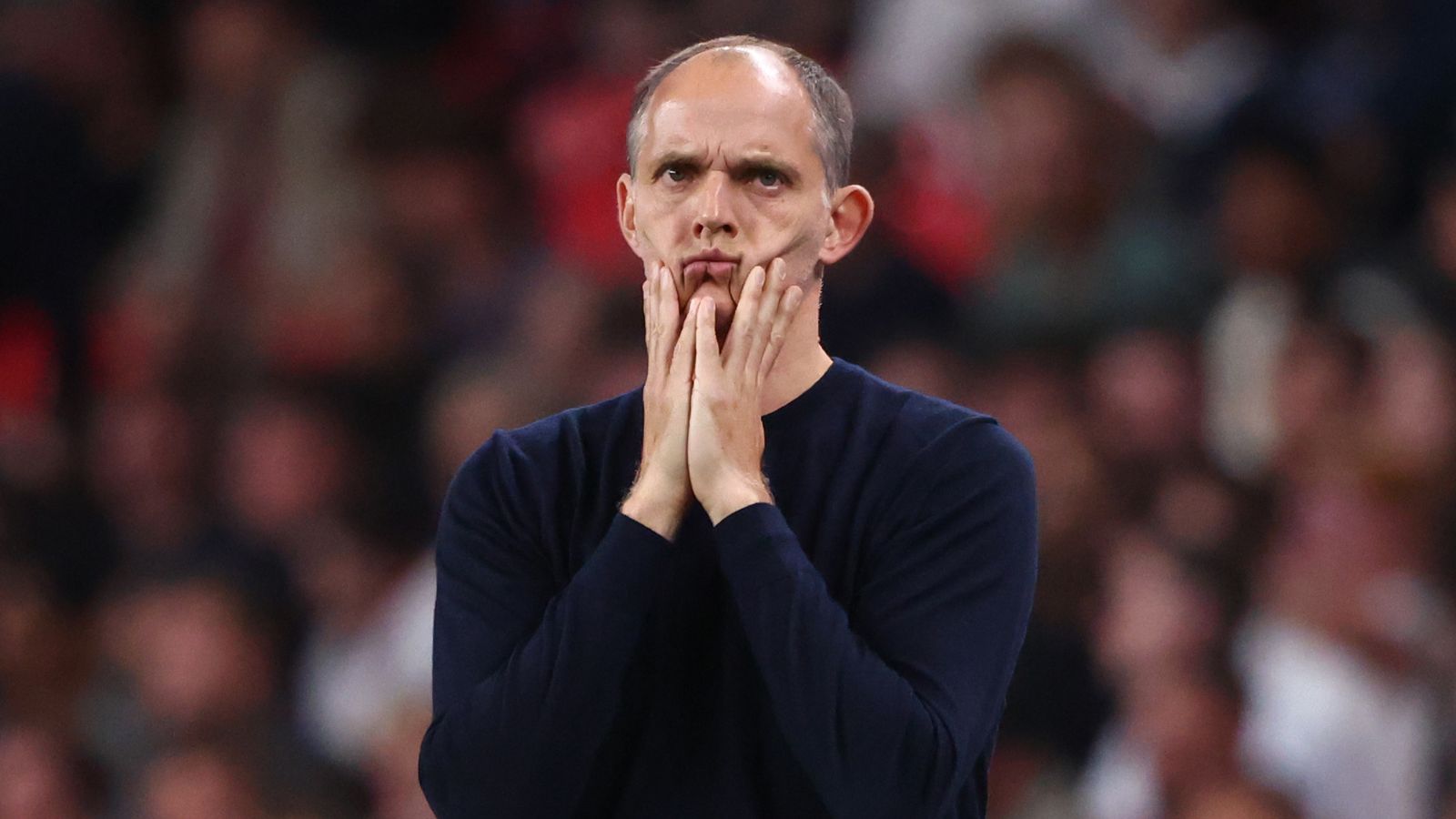
England fitness report: Trent's return, right-back injury surge, and Spain test
1 day, 17 hours ago
Portugal are finally better off without Cristiano Ronaldo
2 days, 18 hours ago
Michael O'Neill's youth movement is ahead of schedule, but flaws remain
3 days, 8 hours ago
England crush Croatia 7-0 as Lee Gi-hyuk sparks Asian Games draft storm
3 days, 14 hours ago
Arsenal's crisis deepens while London City redefine WSL pressing
3 days, 18 hours agoMore Analysis
England fitness report: Trent's return, right-back injury surge, and Spain test
1 day, 17 hours ago
England crush Croatia 7-0 as Lee Gi-hyuk sparks Asian Games draft storm
3 days, 14 hours ago
Bukayo Saka blew Croatia away, but his real challenge under Tuchel is ahead
4 days, 2 hours ago
Jude Bellingham is already running world football and Real Madrid knows it
4 days, 2 hours ago
This Week in Football: England Rampant and City Fallout (Sep 28–Oct 04, 2026)
5 days, 3 hours ago