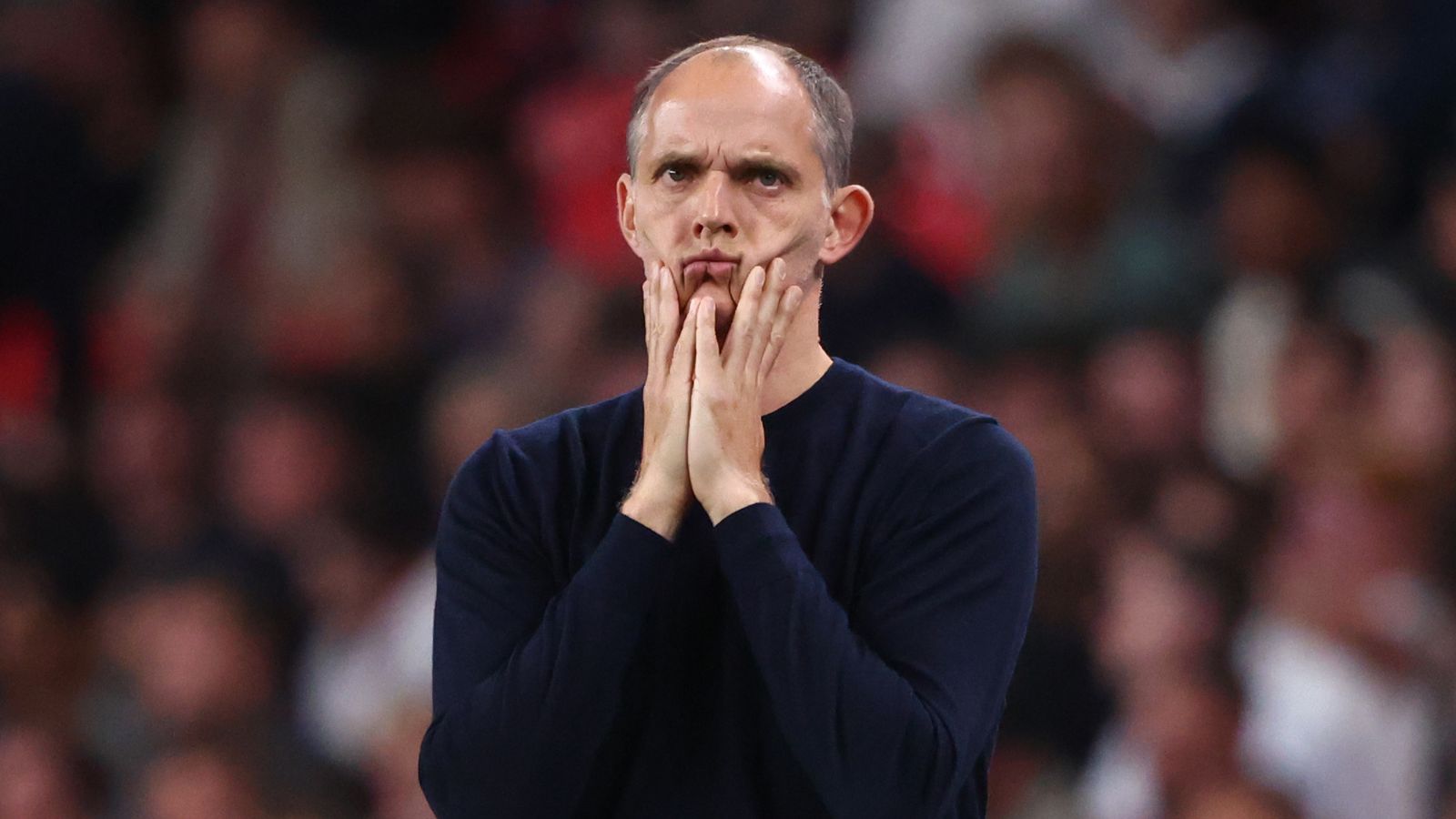
Tuchel's mid-block is bleeding space
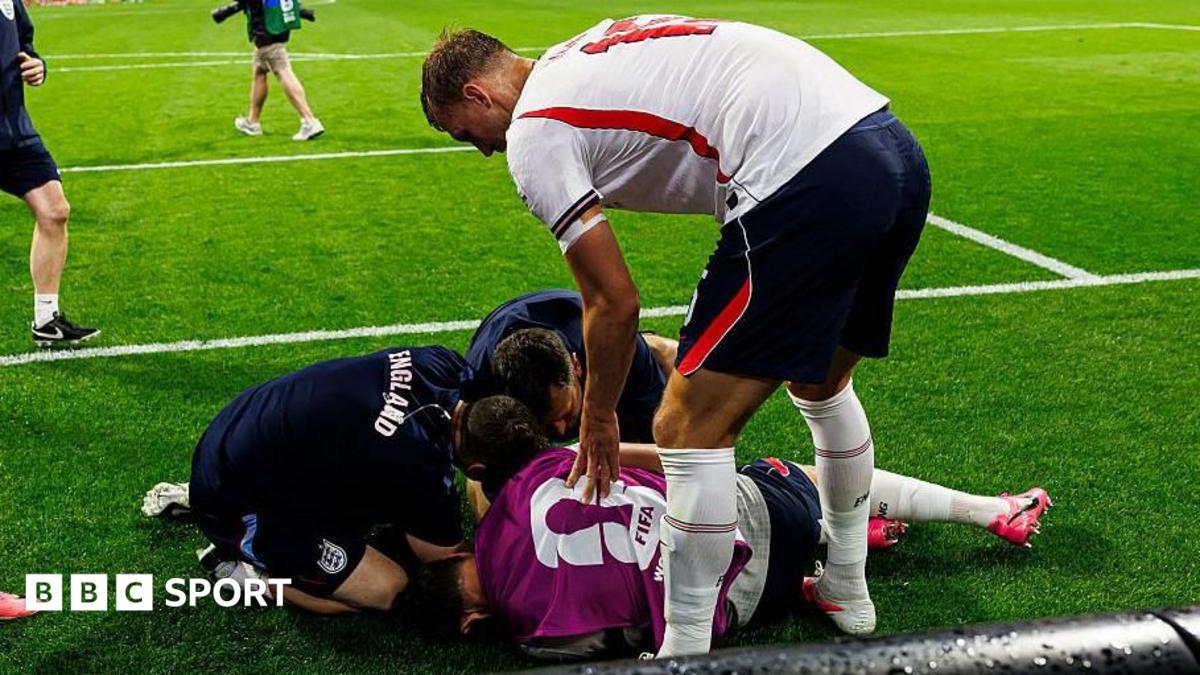
England progressed to the quarterfinals in Miami by the skin of their teeth. The chaotic 3-2 victory over Mexico in the Round of 16 highlighted a team operating on the edge of structural control. While the headlines focused on the dramatic late winner, the post-match celebrations brought a bizarre setback. Jordan Henderson broke his arm after slipping over an advertising hoarding at the Azteca Stadium.
Yet, despite undergoing surgery, the veteran midfielder has not been ruled out of the tournament. As BBC Sport reported, the medical staff are keeping the door open for his return. That Henderson is even in this squad at 36 is an indictment of England's squad depth in the pivot. His mobility has fallen off a cliff, leaving Declan Rice to cover massive distances alone.
When Mexico counter-attacked in the second half, the space in transition was vast. In the 68th minute, Luis Chávez walked through a vacant English midfield while Henderson struggled to track back. If England defend with that same lack of cohesion against Norway, Martin Ødegaard will dissect them.
The Mexican warning signs
England's defensive shape against Mexico was deeply concerning, exposing a lack of coordination in transition. Thomas Tuchel opted for a 4-2-3-1 that frequently morphed into a lopsided 3-2-4-1 in possession, leaving John Stones isolated when the ball was turned over. Mexico's second goal was a direct result of this structural flaw, as they exploited the space vacated by Reece James.
Mexico recovered a loose pass from Jude Bellingham and immediately targeted the channel behind Stones. Ezri Konsa was slow to slide across, leaving the back post completely exposed for an easy tap-in. Under pressure from Mexico's aggressive press, England's pass completion rate in their own defensive third dropped to a worrying 84.3%.
Tuchel's insistence on starting two defensive midfielders who lack vertical passing range has stifled England's build-up speed. The ball moves slowly from side to side in a U-shape, allowing opponents to shift their defensive block with minimal effort. Against Mexico, England took an average of six passes just to progress the ball into the final third, playing directly into Norway's hands.
The Haaland threat and Norway's verticality
Ståle Solbakken has built a functional, lethal transition machine in Norway. They did not reach their first-ever World Cup quarterfinal since 1998 by accident, winning all eight of their qualification matches. Erling Haaland spearheaded that flawless run, scoring 16 goals in qualification alone.
Their Round of 16 victory was a statement of intent. They knocked out Brazil in a tactical masterclass, winning 2-1 in Los Angeles. Solbakken set up a compact mid-block, baiting Brazil forward before releasing Antonio Nusa and Oscar Bobb. The speed of their vertical transition is terrifying.
Once Norway win the ball, the transition is immediate, with Sander Berge looking for Martin Ødegaard in the right half-space. Haaland immediately runs on the blindside of the central defender, targeting Marc Guéhi's lack of recovery pace. England must shut down this recurring pattern at the source.
Ødegaard's zone 14 supremacy
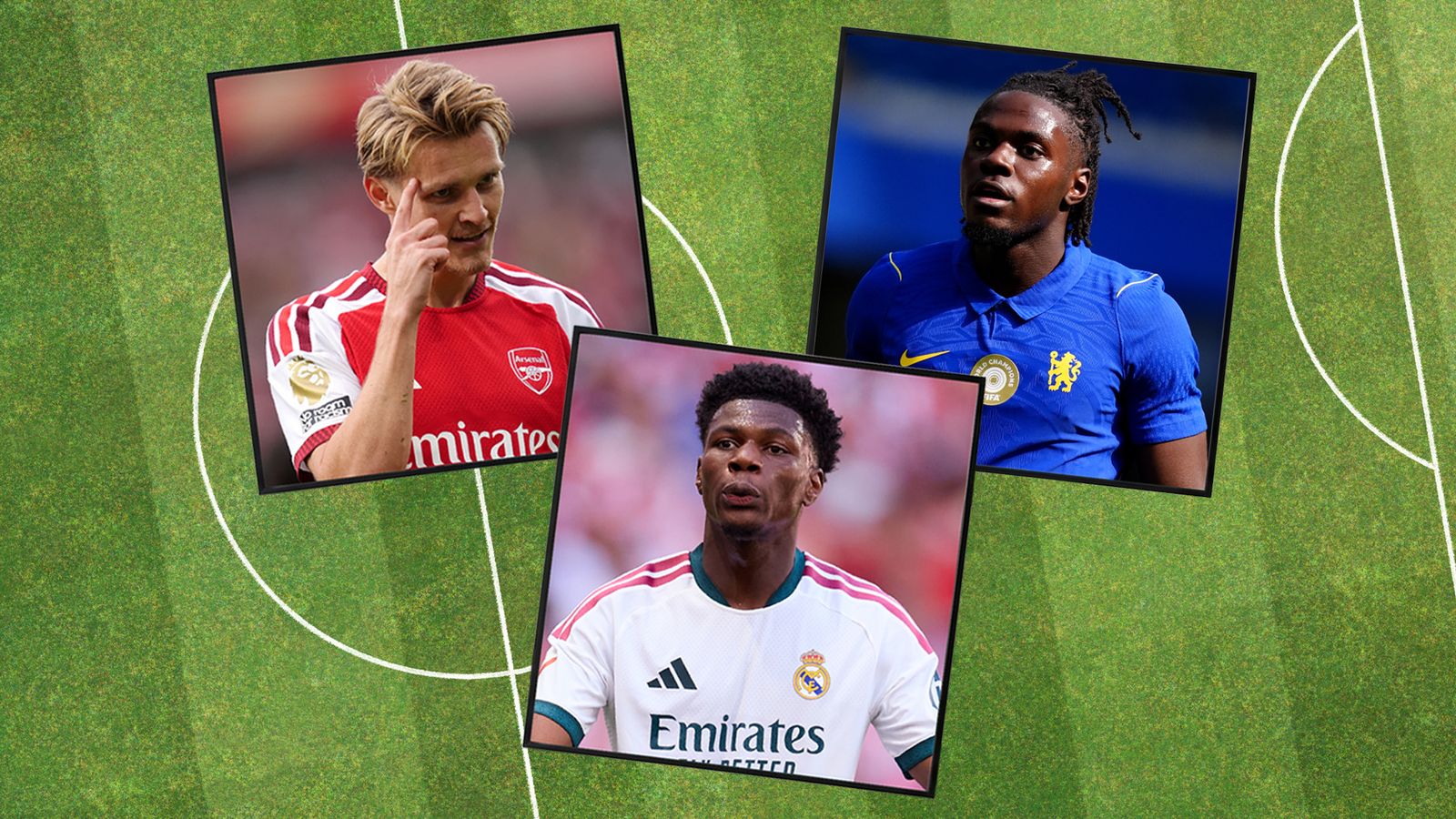
The key to neutralizing Norway's transition threat lies in stopping Martin Ødegaard from accessing zone 14. The Arsenal captain averaged 12 progressive passes per 90 during qualification, acting as the primary hub for Haaland's vertical runs. If Rice is pulled out of position to cover the wings, Ødegaard will have free reign in the central channel.
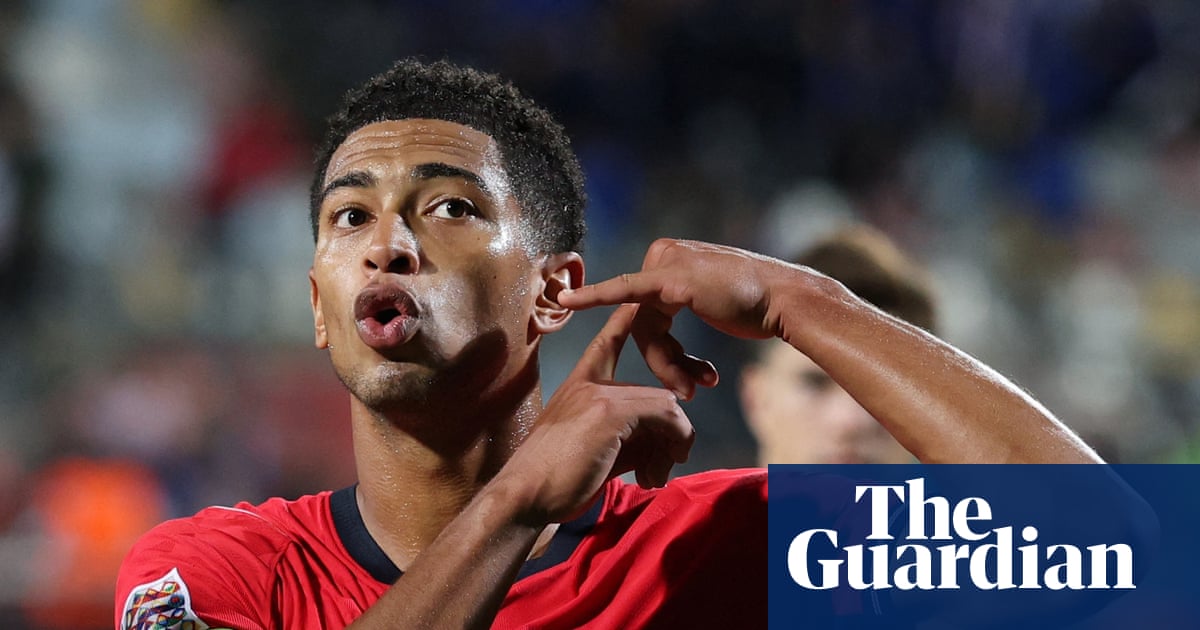
Jude Bellingham must execute a disciplined defensive role to disrupt Ødegaard's rhythm. Rather than chasing the ball, Bellingham needs to shadow Ødegaard, cutting off the passing lanes from Berge. If Bellingham neglects his defensive duties to chase goals, England's midfield will be cut open repeatedly.
Rebuilding the English engine room
Tuchel faces a structural dilemma in Miami. He cannot afford to play the passive, reactive football that characterized England's group-stage performances. Despite the initial reports that Henderson's tournament was over, the official word from BBC Sport confirming he is still in contention keeps the pressure on Tuchel to pick the right partner for Rice.
Kobbie Mainoo offers superb press-resistance and tight-area control to break the first line. However, against Norway's aggressive mid-block press, Mainoo's tendency to hold the ball too long is a major risk. Sander Berge and Patrick Berg are highly aggressive in their pressing triggers, often hunting in pairs to force turnovers.
The alternative is Adam Wharton, who plays with fewer touches and looks for quick, vertical progression. In the 84th minute against Mexico, Wharton's first-time passes bypassed the press twice to launch counter-attacks. Playing Wharton next to Rice allows Bellingham to operate higher up the pitch, closer to Harry Kane.
Tuchel must also fix the structural issues on England's left flank. Kieran Trippier, playing as a makeshift left-back, has constantly cut inside on his right foot, which slows down the attack. This allows Julian Ryerson to recover and double up on Bukayo Saka, making a natural left-footer like Luke Shaw essential.
The battle in the wide channels
The tactical battle will be won or lost in the half-spaces. Norway's full-backs, Ryerson and David Møller Wolfe, are highly disciplined and rarely commit to overlapping runs. This limits the space Saka and Gordon can exploit on the wings.
However, Wolfe can be isolated, as seen when Vinícius Júnior ran directly at his inside shoulder during Norway's win over Brazil. Saka must mimic this approach, driving inside to force Leo Østigård out of the backline. This movement will open up space for Kane to drop deep and link play.
England's backline must also manage Haaland's physical presence. John Stones cannot afford to get sucked into physical duels and must play as the cover defender. If Haaland is allowed to turn and run at the box, England's tournament ends in Miami.
A tactical prediction for Miami
Norway will cede possession, allowing England to build slowly from the back. Solbakken will deploy a 4-1-4-1 defensive shape, blockading the center of the pitch. They will force Rice to play horizontal passes, waiting for a loose touch to trigger their counter-press.
Tuchel will likely start Mainoo, hoping to draw the Norwegian midfield out of their defensive block. However, England's lack of width on the left will make their build-up predictable and easy to contain. Norway will strike first through a Haaland header in the first half, exploiting a cross from Ryerson.
England will claw their way back in the second half once Tuchel introduces Wharton and Gordon to inject pace. A late Saka equalizer will take the game to extra time before Bellingham arrives late in the box to convert a low cross. England will advance with a hard-fought 2-1 victory, but their structural flaws remain unresolved.
Read Next
- Brentford pay the price for Jordan Henderson's bizarre World Cup injury
- Reece James injury update ahead of England vs Norway World Cup quarter-final
- England's right-back crisis intensifies as Reece James remains sidelined
- Top 10: Norway Football Moments and Current Standing
- 🏴 England World Cup 2026 — Three Lions Hub
- 🇳🇴 Norway World Cup 2026 — Can Haaland Lead the Vikings?