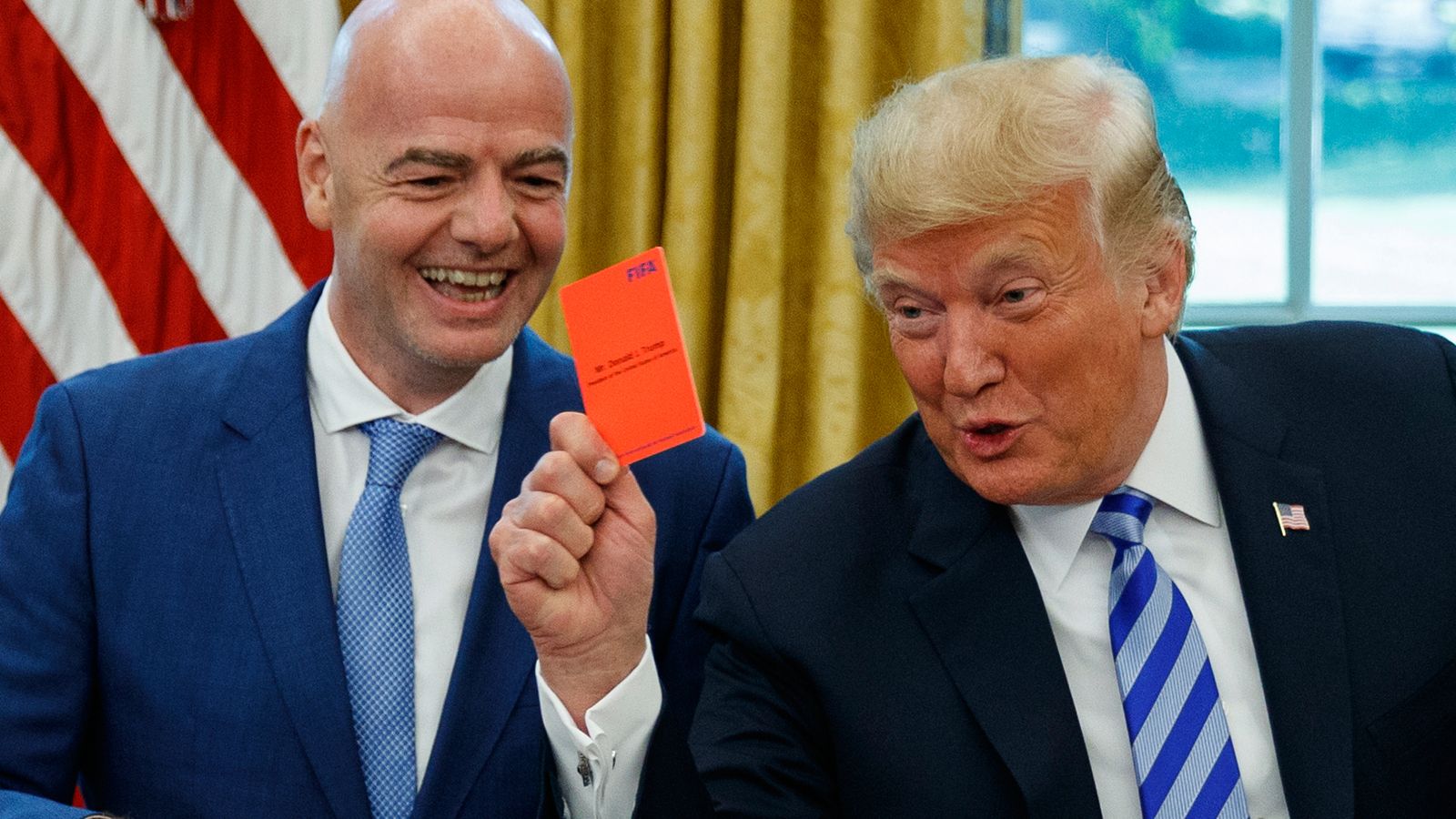
The shadow boxing behind the 2026 World Cup
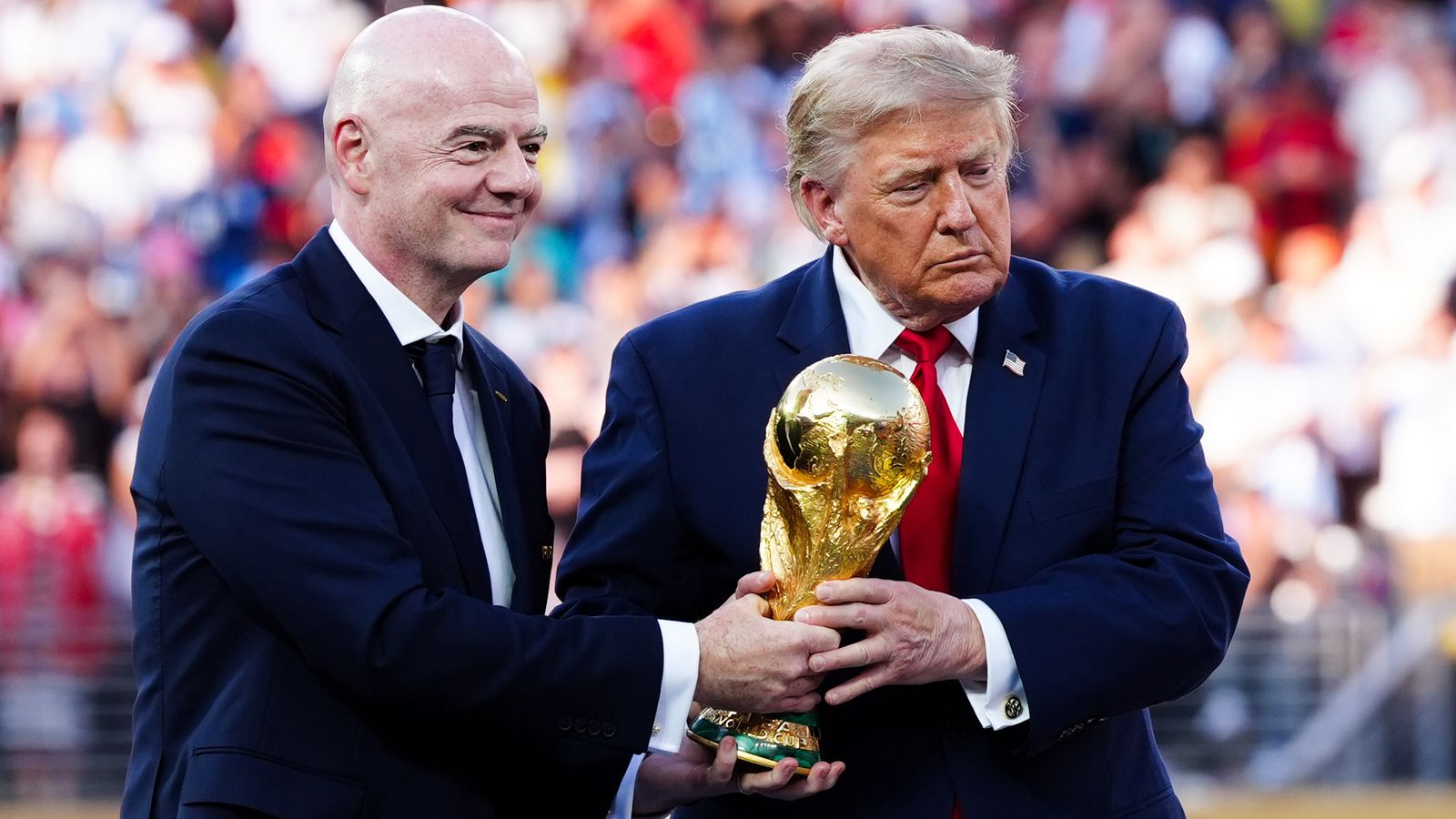
Gianni Infantino usually treats FIFA like his own private fiefdom, but even he has to sweat the optics when the biggest political lightning rod in America starts making noise. With the 2026 World Cup looming on the horizon, the chatter about Donald Trump weighing in on tournament logistics is hitting a fever pitch.
Trump recently felt the need to publicly deny any back-channel conversations with the FIFA president regarding contentious tournament plans. It is a classic move: keep your distance while making sure everyone knows you are watching the scoreboard. Whether there was a secret phone call or just some aggressive posturing through intermediaries, the dynamic is classic sports-politics theater.
The FIFA power struggle is getting weird
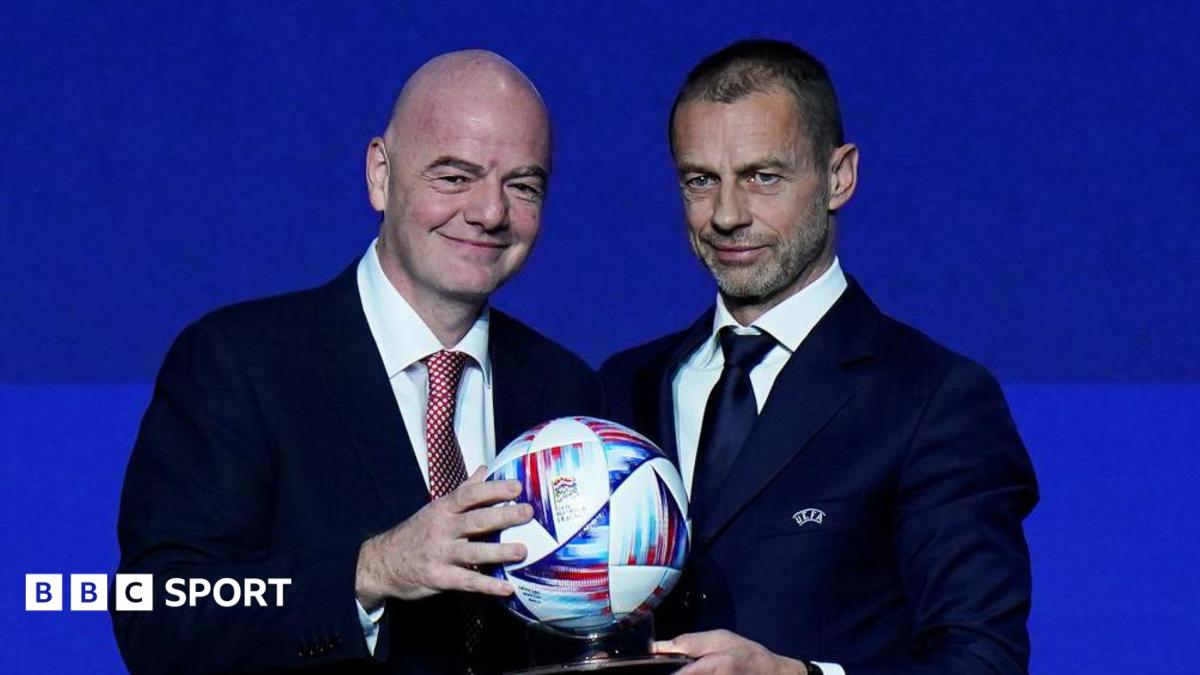
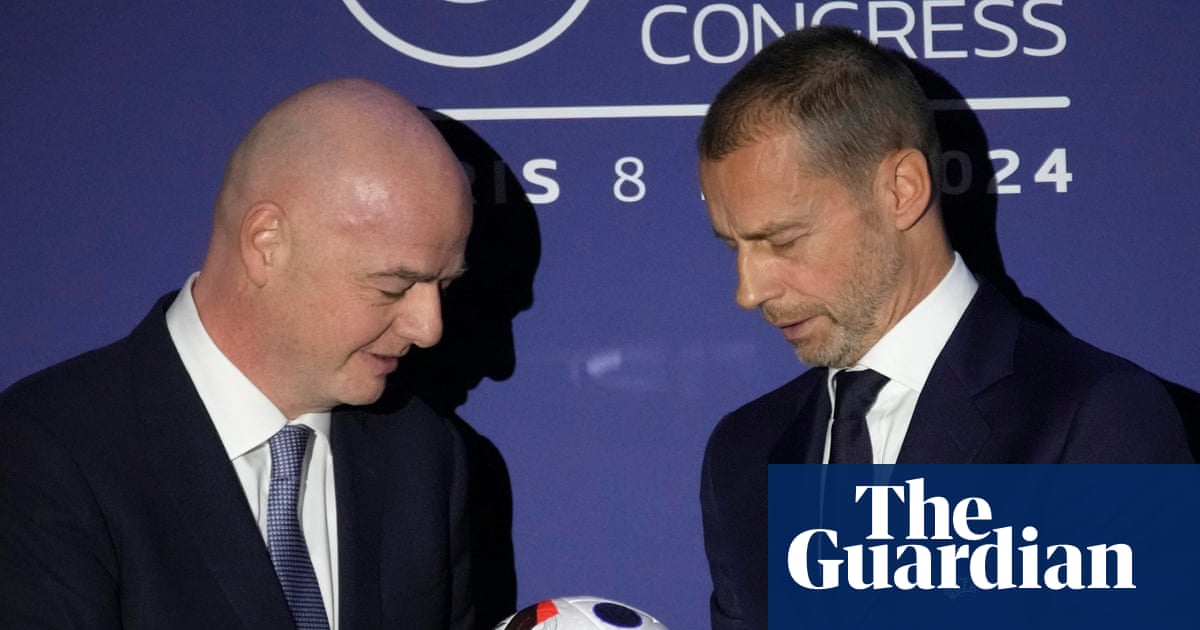
Infantino loves to surround himself with world leaders to project legitimacy, but the 2026 host committee faces a logistical nightmare that no amount of hand-shaking can solve. We are talking about massive stadium upgrades, border transit complexities, and a ticket pricing model that feels designed to alienate actual fans.
Reports suggest the tension centers on how much control the US government expects to exert over tournament security and logistics. FIFA traditionally demands total autonomy, treating host cities like annexed territories. Having a populist leader who treats international agreements like suggestions rather than mandates is a massive headache for the suits in Zurich.
The current situation feels like two heavyweights circling each other in a ring, waiting for someone to trip over their own feet. Trump denying the contact is a tactical retreat to keep the base happy, while Infantino is likely praying the whole thing doesn't devolve into a PR disaster that overshadows his precious expansion plans.
Why the 2026 timeline is already fraying
Let's be real about the tournament's stability. Organizing a World Cup across three countries—USA, Canada, and Mexico—is a logistical circus even without political infighting. The sheer scale makes it impossible to manage efficiently.
The stadiums in cities like Los Angeles and New York are ready, but the behind-the-scenes friction regarding federal support for the event is bubbling. Sources indicate that the constant back-and-forth about tournament logistics has put local organizing committees on edge. Nobody wants to be the person who has to tell the president that FIFA rules trump federal policy.
This isn't just about tickets or infrastructure. It is about who actually calls the shots when the lights go up in the summer of 2026. If the relationship between the White House and FIFA continues to sour, we are looking at a tournament defined by friction instead of football.
The skepticism is warranted because history suggests these massive events usually go over budget and underperform on promises. Expecting this edition to run smoothly while the political landscape looks like a demolition derby is pure delusion. Someone is going to get squeezed, and it won't be the billionaires in the VIP boxes.
Read Next
- Fifa COO breaks ranks as Infantino pushes private equity into global football
- Gianni Infantino is losing his mind and football fans are grabbing the popcorn
- FIFA's private equity gamble faces a cold reception from skeptics
- Why Gianni Infantino's post-World Cup power play is bound to backfire
- 🏆 World Cup 2026 — Full Coverage Hub