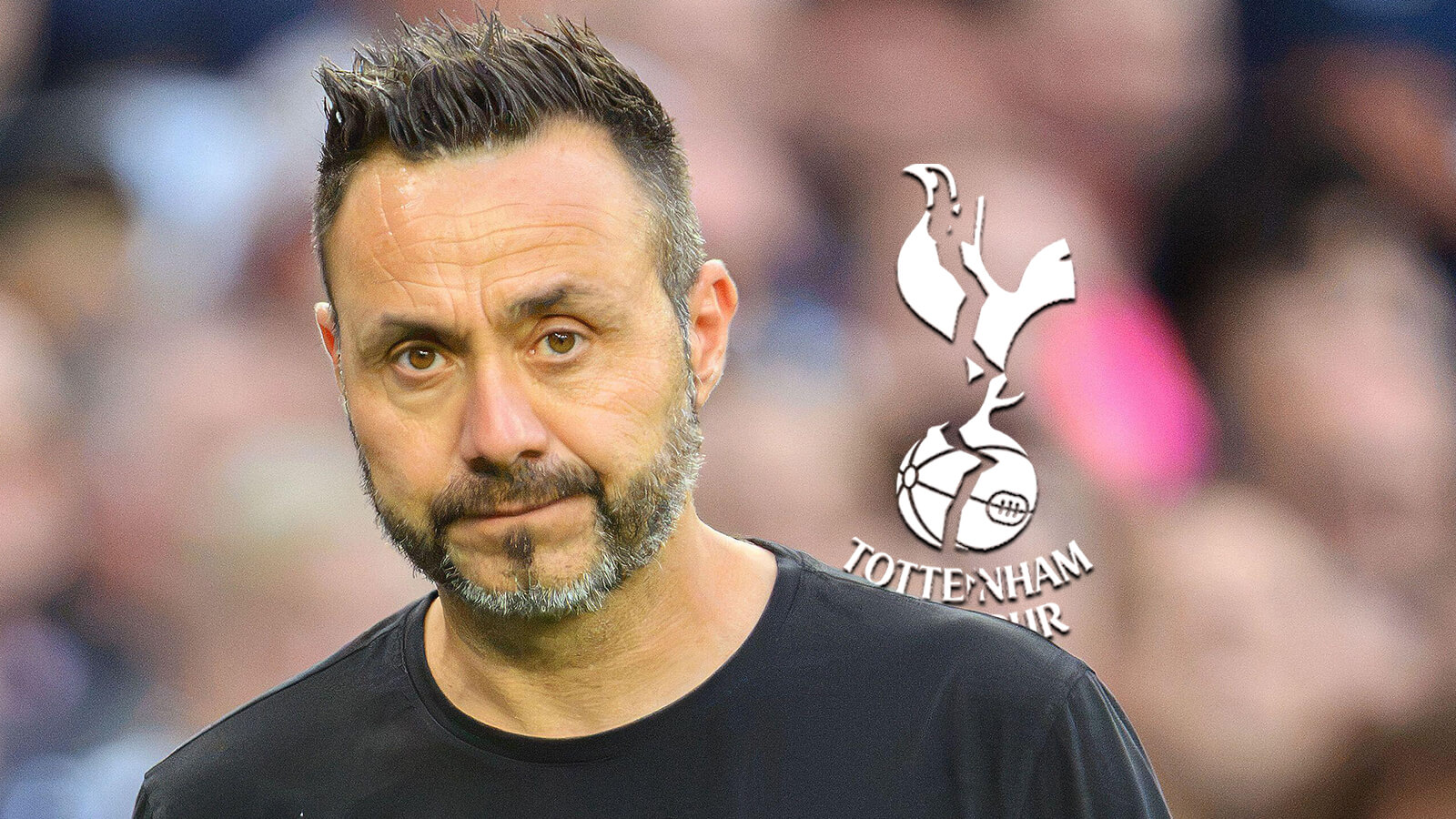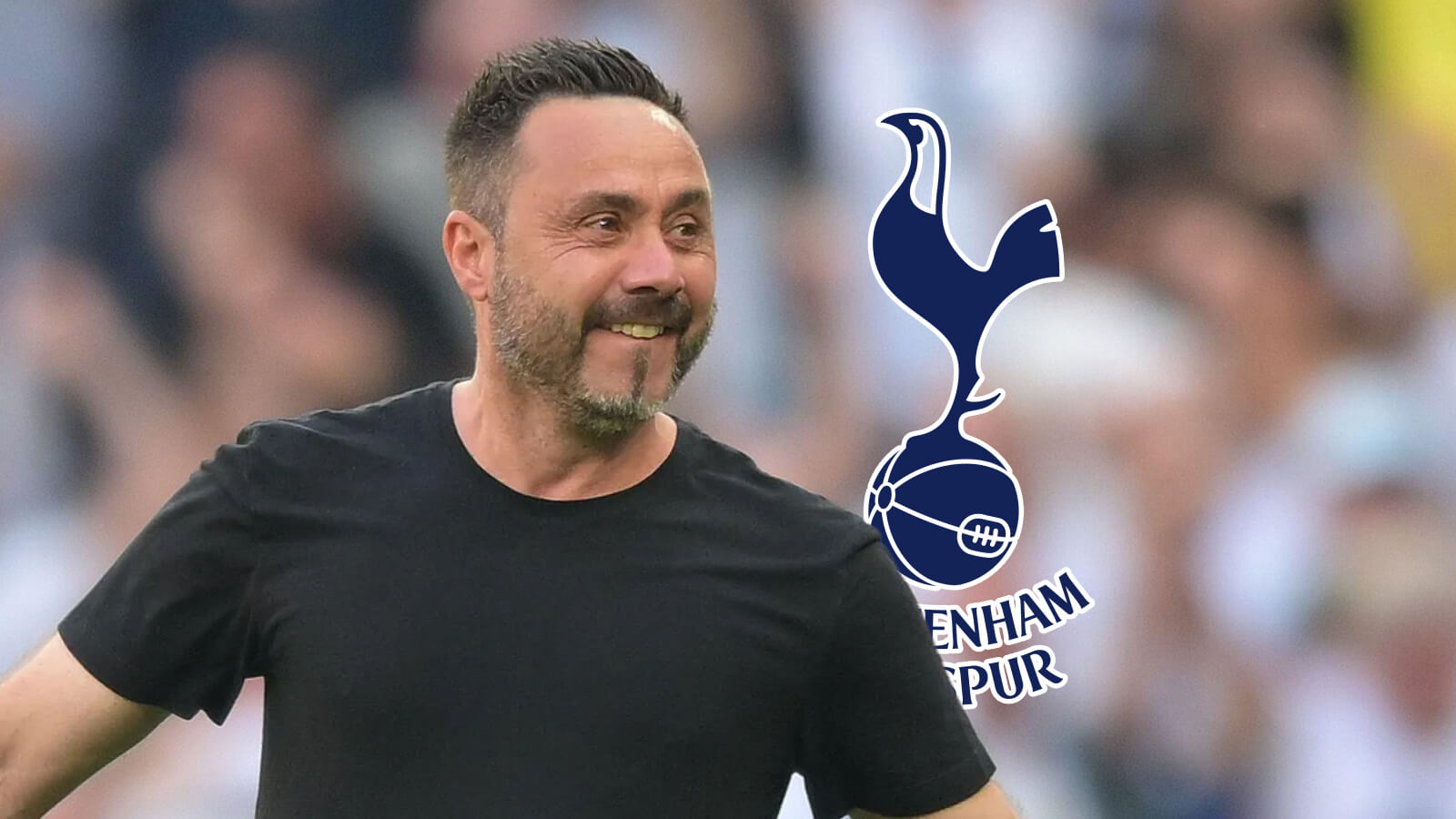
Tottenham Hotspur just dropped a record fee on Sandro Tonali, and they are not stopping. The north London club is entering a summer of unprecedented spending to rebuild after a catastrophic season. They are backing Roberto De Zerbi with a massive budget to completely overhaul the squad.
According to a recent BBC report, Spurs are set to break their transfer record for the second time in a matter of days. The board is throwing money at a squad that finished in a humiliating 17th-place last term. The ambition is clear, but the tactical reality of this squad makeover suggests trouble is brewing.
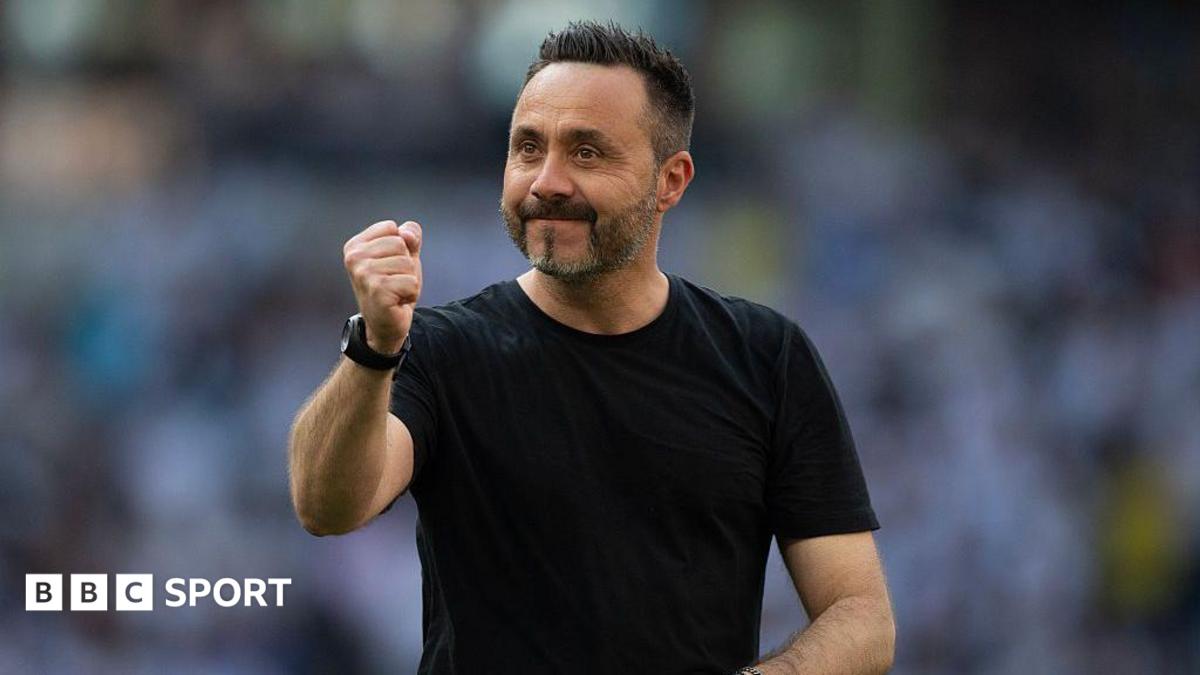
De Zerbi demands absolute control in possession, inviting the opposition press deep into his own defensive third. His teams build up using a double pivot that acts as a decoy, drawing opponents out before launching rapid vertical transitions. It is a high-risk system that requires midfielders with specific profiles.
The Sandro Tonali Conundrum
To execute this system, Daniel Levy agreed a club-record £100 million deal to sign Sandro Tonali from Newcastle United. On paper, Tonali is a marquee midfielder who brings elite intensity and top-tier experience. In practice, he is a poor fit for what De Zerbi actually wants to do.
Tonali is not a deep-lying orchestrator who sits in front of the defense to pause the game. He is at his best when he can run, drive forward with the ball, and join the attack. During his last full season, Tonali averaged 2.4 progressive carries per 90, showing his desire to gain ground quickly.
At Newcastle, Eddie Howe used Tonali as a box-to-box engine in a 4-3-3, where Bruno Guimaraes handled the deep build-up. Tonali was allowed to push high, win second balls, and crash the penalty area. Asking him to suddenly transform into a disciplined, static pivot partner is a fundamental misunderstanding of his strengths.
De Zerbi's double pivot requires patience. Midfielders must stand on the ball, wait for the opponent to press, and complete short, high-pressure passes. If a midfielder tries to turn and run too early, the structure collapses and leaves the back line exposed.
Furthermore, Tonali's defensive stats show he is prone to gambling. He completed just 1.2 tackles per 90 last season, often pressing high and leaving space behind him. In a De Zerbi midfield, that leaves the center backs completely unprotected against counters.
The £85 Million Bet on Mateus Fernandes
Spurs did not stop with Tonali; they quickly added Mateus Fernandes for £85 million. The former Southampton midfielder is an incredibly active player, covering massive ground and recovering possession frequently. He won 4.1 duels per game last season, showing the defensive grit that De Zerbi desperately needs.
Fernandes is a highly energetic player who loves to chase the ball. However, playing him alongside Tonali creates a double pivot that lacks positional discipline. Both players want to be active, hunt the ball, and drive forward into the final third.
Fernandes excelled at Southampton because he had the freedom to roam. In his standout matches, such as the 3-2 win against West Ham in December, he covered 11.8 kilometers and registered five shot-creating actions. If De Zerbi shackles him to a strict positional grid, he will neutralize the player's greatest asset: his relentless energy.
In De Zerbi's system at Brighton, he relied on Pascal Gross to keep the team's shape. Gross finished the season with a pass completion rate of 89.4% under pressure, rarely giving the ball away in dangerous areas. Neither Tonali nor Fernandes has shown that level of retention in deep build-up.
When the press descends, who will keep their head? If both central midfielders are dragged out of position, opponents will slice straight through the middle of the pitch.
Van Hecke and the Fragile Back Line
To support this new midfield, Spurs signed Jan Paul van Hecke to anchor the defense. Van Hecke worked with De Zerbi before and understands the demands of a high defensive line. Yet, playing a high line with slow recovery defenders is an accident waiting to happen.
Last season, Spurs conceded 68 goals, many from simple long balls over the top. While Van Hecke is excellent at reading the game, he lacks the recovery pace of Micky van de Ven. If De Zerbi pairs them, the spacing between the defensive line and the midfield must be perfect.
During his time at Brighton, Van Hecke benefited from Lewis Dunk's aerial dominance and positioning. At Spurs, he will likely partner Cristian Romero, another defender who loves to step up and make aggressive challenges. When both center backs dive into tackles, the space behind them becomes a highway for fast wingers.
In possession, Van Hecke will be asked to split the center-backs and play short passes to the keeper. This invites immediate pressure from opposition strikers. One missed pass, and the ball is in the back of the net.
We saw this happen repeatedly during De Zerbi's final months at Brighton, where individual errors in build-up cost them dozens of points. With a rebuilt squad under intense pressure to perform, these mistakes will be amplified at Tottenham.
The fans are already restless after two seasons of struggling near the bottom. They want immediate results, not a long-term tactical experiment.
The Hunt for Eli Junior Kroupi
The club's spending spree is targeting Bournemouth forward Eli Junior Kroupi to lead the line. Kroupi is a brilliant young prospect, scoring 11 goals last season with a high conversion rate. He is dynamic, clinical, and fits the profile of a modern, fluid forward.
Kroupi's shot map from last season shows he takes 70% of his shots from inside the penalty box, relying on quick cutbacks from wide areas. If De Zerbi's build-up is choked in the middle third, Spurs will be forced to play long, hopeful balls. Kroupi is simply not built to win physical duels against imposing Premier League center backs.
But Kroupi is not a target man who can hold up the ball when the midfield is under pressure. He needs service in the box and space to run into. If the build-up phase is constantly disrupted, Kroupi will find himself isolated for long stretches of the game.
Spurs are buying highly talented individuals, but they are neglecting the balance of the team. They are building a sports car with a heavy truck engine and thin tires.
De Zerbi will not compromise on his style. He would rather lose 4-3 than win a boring 1-0 match, which will frustrate a fan base that has had enough of defensive fragility.
A Prediction for the Season of Chaos
So, where does this leave Tottenham in the upcoming campaign? The sheer talent of the squad will prevent another relegation battle, but they are far from the top four.
My prediction is that Tottenham will finish in 8th place after a chaotic, high-scoring season. They will score 80 goals but concede 70, leaving De Zerbi under massive scrutiny by next spring.
The board's strategy of spending out of a crisis is admirable, but buying players who do not fit the manager's tactical system is a recipe for disaster. The fans will get entertainment, but they will not get Champions League football.
Read Next
- Sandro Tonali's £100m move to Tottenham will rewrite both midfields
- Spurs signing Sandro Tonali is the exact injection of pure chaos they need
- Spurs agree record £100m Sandro Tonali deal to launch De Zerbi revolution
- Tottenham agree massive package to sign Sandro Tonali from Newcastle
- 🏆 Europa League Final 2026 — Full Coverage Hub