A long road back from May 2025
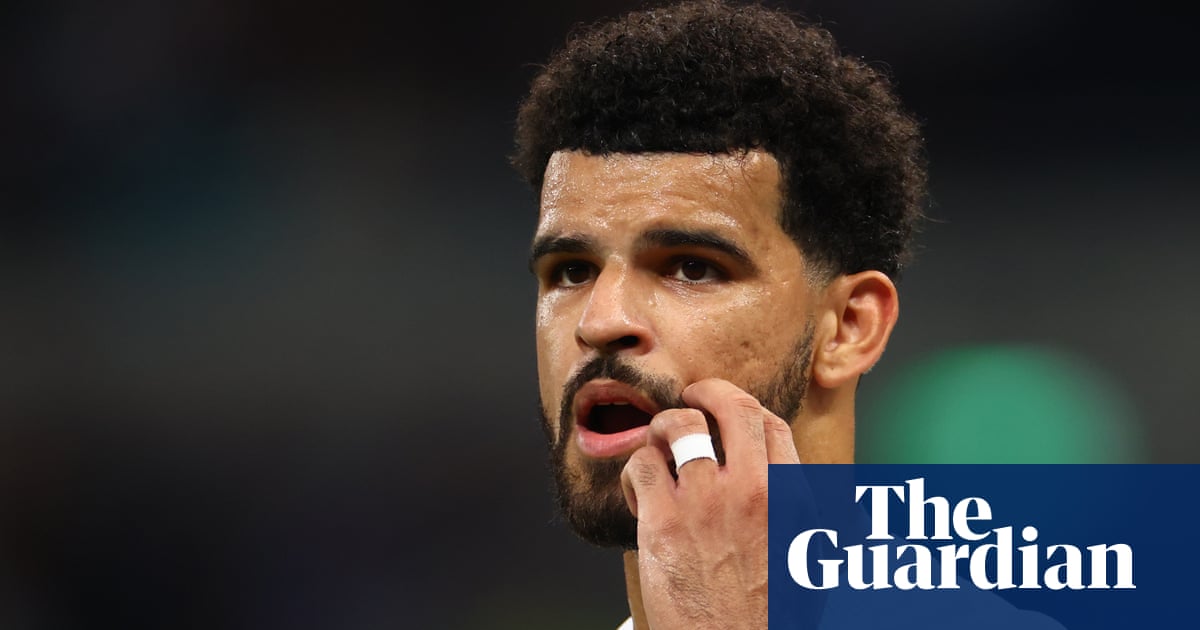
Tottenham Hotspur winger Dejan Kulusevski has officially rejoined full first-team squad training after spending more than 16 months sidelined with a complicated knee injury. The 26-year-old Sweden international has not played a competitive match since May 2025, when he featured in a 2-0 defeat against Crystal Palace.
That Palace fixture proved to be his last appearance before undergoing knee surgery and starting a grueling rehabilitation program. The lengthy recovery process forced Kulusevski to watch from the sidelines as he missed the entire 2025-26 Premier League season alongside Sweden’s 2026 World Cup campaign in the summer.
Swedish national team selectors made the deliberate choice to omit Kulusevski from their squad for the current September international break. The decision keeps the winger at Hotspur Way, giving him uninterrupted time to rebuild match fitness under the close supervision of Tottenham’s performance staff.
Prior to his injury, Kulusevski served as Tottenham’s primary tactical outlet along the right touchline. His strength in holding off defenders, cutting inside onto his left foot, and linking play provided essential balance to Spurs’ front line during transitional moments.
Without his direct ball-carrying capabilities, Tottenham’s attack has frequently looked toothless and static. Opponents have consistently channeled Spurs into wide areas, knowing they lacked the physical power to break through structured defensive blocks.
Reintegrating a player after sixteen months out involves far more than simply getting back on the pitch. Transitioning from controlled rehabilitation drills to full-contact Premier League intensity presents immense physical and neurological hurdles.
Spurs’ medical team is enforcing a slow reload protocol, monitoring joint reaction after every high-load training session. The coaching staff must ensure no secondary swelling occurs before giving the green light for competitive matchplay.
Restoring quadriceps volume and hamstring strength ratios is vital for joint stability during dynamic cutting movements. Medical experts recognize that rushing a player back after such structural joint repair drastically increases the risk of secondary muscular injuries.
Magistrates, 18 points, and a missed court date
While Kulusevski takes encouraging steps on the training pitch, off-field legal issues continue to create unwelcome headlines away from football. The Swedish international was scheduled to appear at Barkingside Magistrates’ Court on Monday for a sentencing hearing following a driving offence.
The case dates back to an incident last year where Kulusevski was caught driving at 43mph in a 30mph limit zone. Rather than attending the court session in person, the winger emailed Barkingside Magistrates’ Court explaining that he could not attend because he was in training with Tottenham.
As Mirror Football reported, presiding magistrate Mary Miller adjourned the case after magistrates were left confused over whether Kulusevski wanted the hearing to proceed in his absence.
Miller noted that it was "not clear from the email" whether the player was requesting a postponement or expecting the court to proceed without him. Consequently, the court ordered an adjournment until 19 October, dragging the legal matter further into the autumn.
The 26-year-old winger already has 18 points on his driving licence, putting him in immediate danger of a mandatory driving ban under UK motoring regulations. Under standard UK traffic law, accumulating 12 points typically results in a minimum six-month ban unless exceptional hardship can be proven.
In his email to magistrates, Kulusevski pointed out that his young family relies heavily on him to drive. He admitted to the speeding charge but argued that most of his prior offences involved being only slightly over the speed limit.
Accumulating eighteen points on a driving licence points to reckless decision-making off the pitch. For an elite professional athlete earning millions while undergoing long-term injury rehabilitation, failing to manage basic personal administrative matters is poor optics.
Navigating court dates while trying to regain top-flight match conditioning creates an unnecessary layer of stress for both player and club. Tottenham’s staff need their forward focused entirely on performance, not attending magistrates court hearings.
De Zerbi's bottom-placed Spurs desperately need a spark
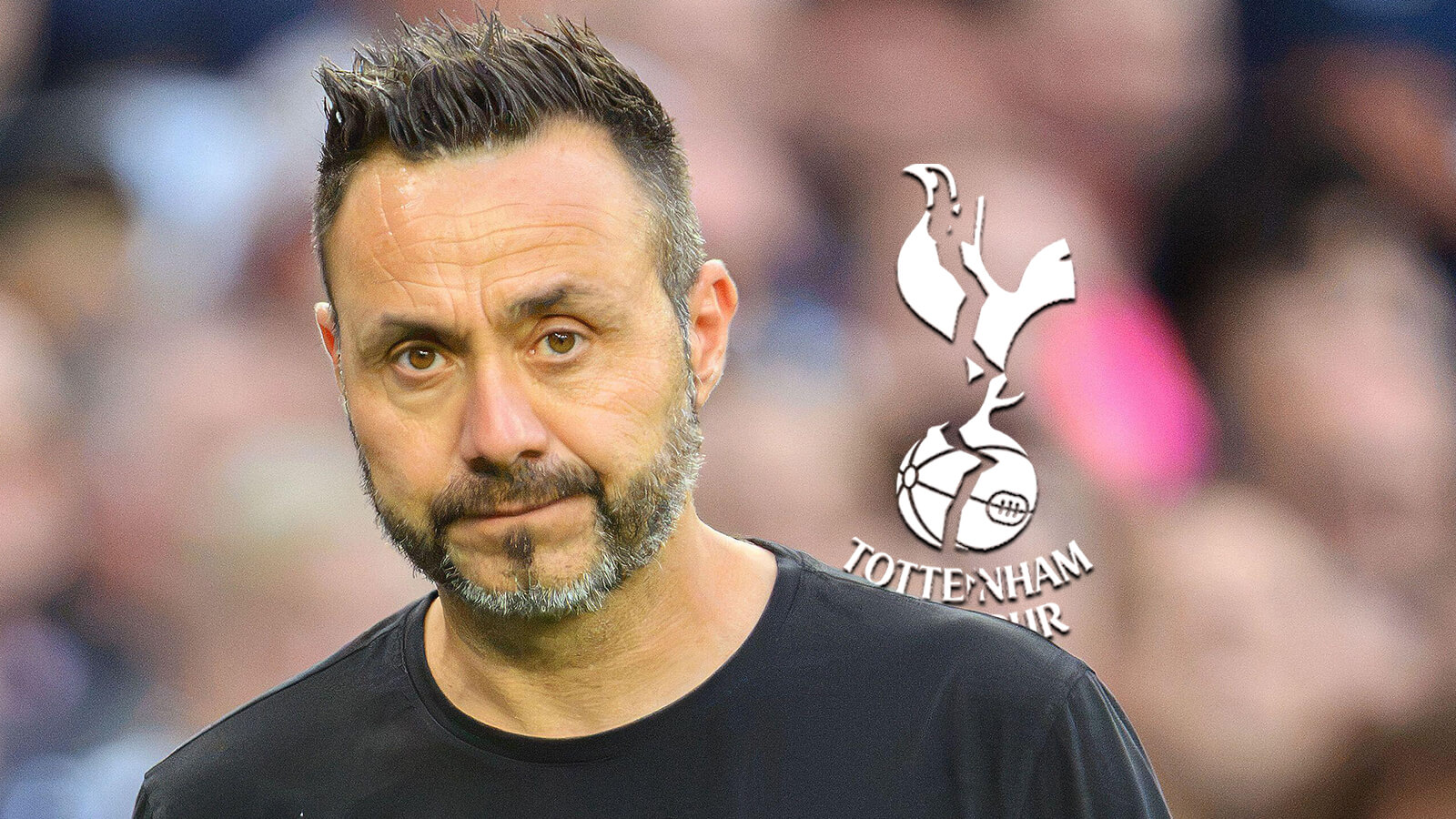
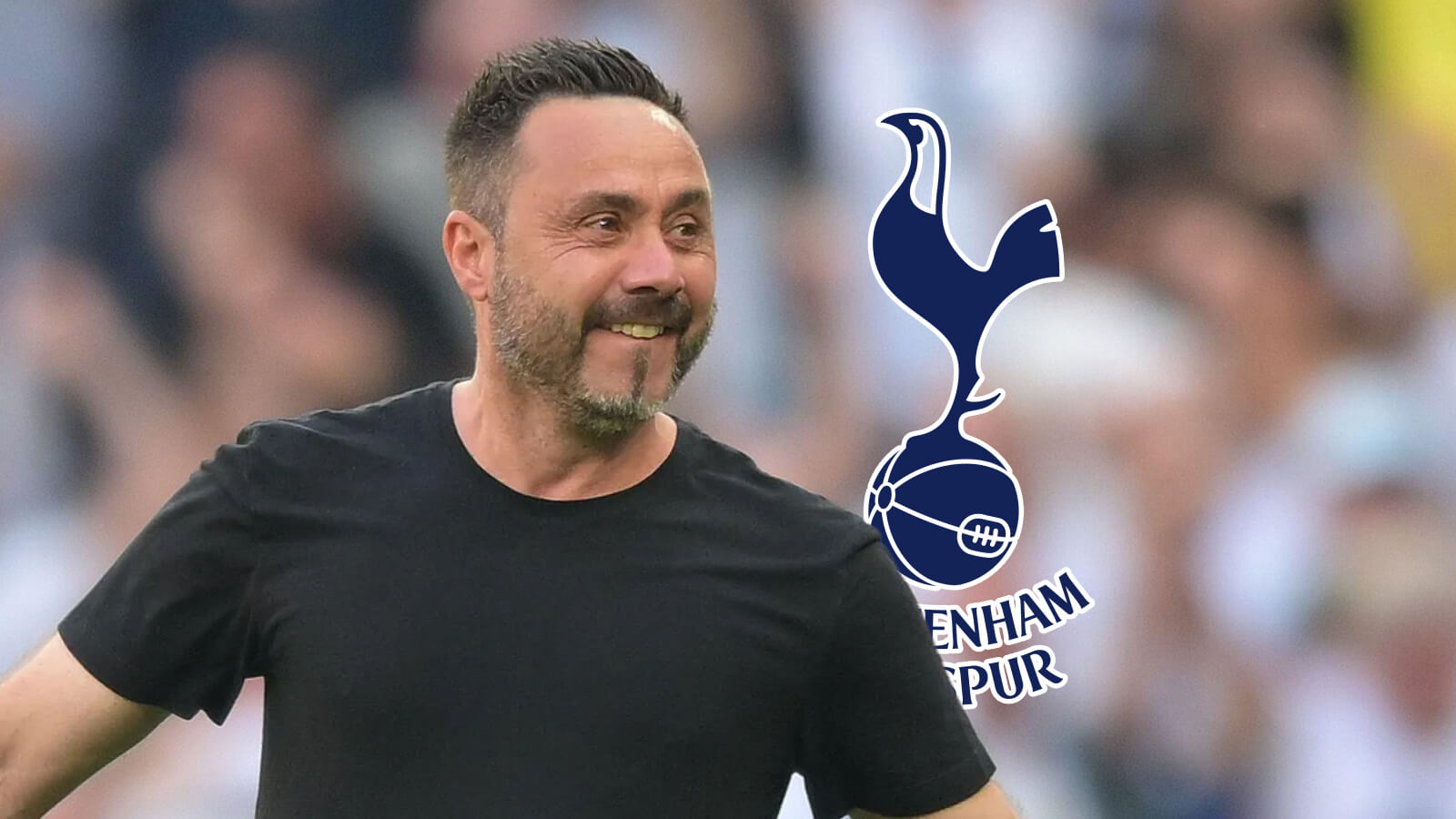
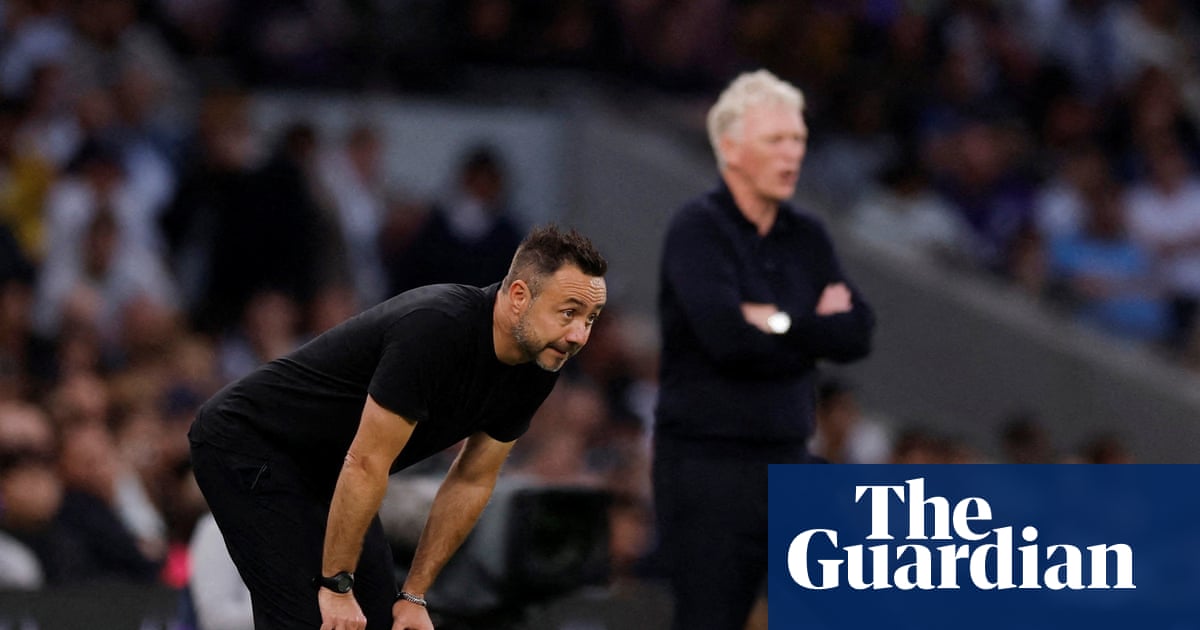
Kulusevski’s eventual return cannot come soon enough for Tottenham manager Roberto De Zerbi. Spurs currently sit bottom of the Premier League table after an alarming opening month to their domestic campaign.
De Zerbi’s tactically demanding system relies heavily on energetic wide forwards who can sustain high sprint volumes and execute aggressive pressing transitions. His wingers are expected to isolate defenders out wide before driving into central pockets to create scoring chances.
Without Kulusevski’s press-resistant style, Tottenham have struggled to turn possession into meaningful chances. Their build-up play has often felt repetitive, allowing opposing defenses time to set deep compact shapes.
Speaking before last weekend’s Premier League clash against Aston Villa, De Zerbi emphasized the delicate balancing act required during Kulusevski’s final rehabilitation phase.
"We have to manage Deki in the best way we can, with the medical staff, physical staff. But it's a great thing for us because he's a good player, he's a good guy. He deserves to play again. We have to work day by day. Also, for Deki, it's important the international break, because when he will be at the top of condition and pass over the injury, I think it's a great signing, a new signing for us, another new signing."
De Zerbi describing Kulusevski as a "new signing" reveals how desperate the manager is for attacking reinforcement. Yet putting the weight of a bottom-placed club onto a player returning from a 16-month layoff carries severe risks.
Tottenham’s tactical struggles stem from systemic issues rather than individual personnel gaps. Their defense has looked fragile when turned, while the midfield has frequently been bypassed during transitional moments.
Expecting Kulusevski to single-handedly rescue Tottenham’s season the moment he steps back onto the pitch is unfair. De Zerbi must address his side’s collective flaws rather than viewing his Swedish winger as a cure-all solution.
Managing player morale during a relegation fight requires clear tactical structure. If Spurs continue to drop points, the environment Kulusevski returns to will be far more tense than the one he left in 2025.
Old Trafford deadline and the reality of long-term rehab
Tottenham’s performance staff are targeting their upcoming Premier League fixture against Manchester United at Old Trafford on Saturday, 10 October for Kulusevski’s potential return. The 5.30pm kick-off offers a high-profile stage for his long-awaited comeback.
The remaining weeks of the international break provide valuable training minutes for Kulusevski to regain sharpness. Participating in full squad sessions and tactical drills will help him adjust to De Zerbi’s positional demands.
However, sports science benchmarks indicate that players returning from year-long knee absences require months to regain peak sharpness. Early appearances often bring compensation tightness, fatigue, and a temporary drop in top-end sprint velocity.
The timing of his return also presents logistical overlap with his off-field troubles. His adjourned court date on 19 October arrives just nine days after the Manchester United match, guaranteeing legal headlines will trail his opening appearances.
If Tottenham’s league position remains dire, De Zerbi will face intense temptation to overwork Kulusevski early. Yielding to that temptation would be a dangerous gamble for a player who has spent 16 months recovering from joint surgery.
The smartest management strategy involves strictly capped substitute appearances of 15 to 20 minutes across October. Controlled minutes will allow Kulusevski’s knee joint to adapt gradually to competitive friction without risking secondary setbacks.
Tottenham supporters are desperate for positive news amid a bleak start to the season. Kulusevski’s return offers genuine quality, but both player and manager must navigate a long road before he reaches his best form again.
Read Next