The Big Picture
Welsh domestic football rarely dominates global headlines, but the Cymru Premier exploded into administrative turmoil this week. The Football Association of Wales triggered disciplinary proceedings against The New Saints chairman Mike Harris following a series of online posts. The fallout exposes a mounting friction between the league's dominant force and its governing body.
10. The Social Media Spark
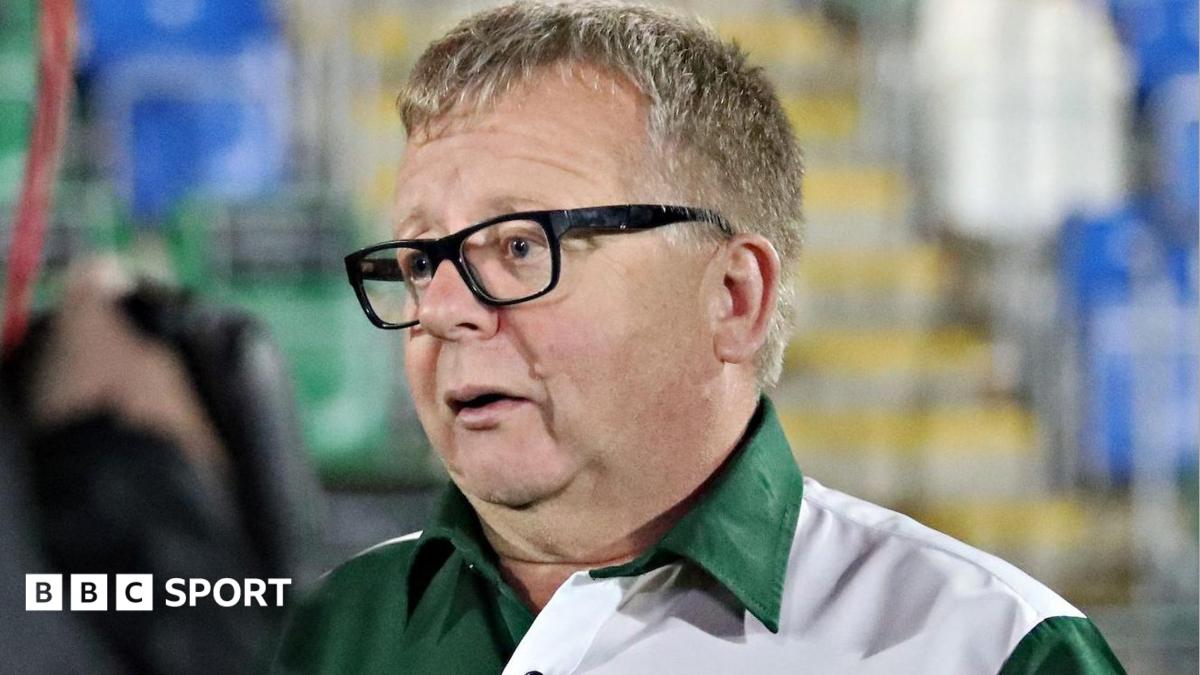
The Football Association of Wales officially charged TNS chairman Mike Harris over content published across his personal social media accounts. Authorities designated the material as offensive, insulting, and derogatory under FAW disciplinary codes. The charge stems from a sequence of public statements critiquing domestic governance structures. For a club that has dominated Welsh football with 16 league titles, this off-pitch friction threatens to shadow their upcoming European qualifying campaign.
9. TNS Dominance Meets Administrative Friction
The New Saints built an empire on efficiency, but their off-field messaging has repeatedly collided with FAW protocol. Harris has long been an outspoken voice demanding structural reforms and higher commercial standards for the Welsh game. However, crossing the line into alleged derogatory online remarks forces the FAW to maintain regulatory authority regardless of club stature. It ranks low on footballing drama, but high on institutional tension.
8. The FAW's Regulatory Hammer
Governance in non-league and smaller European systems relies heavily on strict behavioral boundaries for executives. By charging Harris under specific misconduct provisions, the FAW signals zero tolerance for public disparagement. The timing couldn't be worse as clubs attempt to build momentum ahead of the new season. Critics argue the response is overly sensitive, while supporters of the charge insist authority must be preserved.
7. The European Distraction Factor
TNS regularly represents Wales in European qualification rounds, where focus must remain absolute. Charges against senior leadership create an unnecessary media circus right when squad preparations demand clarity. While players rarely let board-level disputes impact performance, executive distraction can stall contract negotiations and commercial partnerships. TNS has dealt with pressure before, but self-inflicted administrative fires hit differently.
6. Domestic Rivals Watching Closely
Rival Cymru Premier clubs are monitoring the situation with intense interest. TNS's financial supremacy has often left competitors playing for second place. Any potential sanctions, fines, or executive bans leveled against Harris could subtly shift the political balance within the league. It adds an edge of drama to a summer window that usually passes quietly across the Welsh system.
5. The Boundary of Public Criticism in Modern Football
This charge highlights the narrowing corridor for football executives airing grievances on social media. What used to be informal terrace banter or local newspaper rants now gets broadcast instantly to thousands. The FAW's action reinforces that club owners operate under strict media guidelines. Harris's situation serves as a warning shot across all levels of the Welsh pyramid.
4. The New Saints' Formal Response Strategy
All eyes now turn to Oswestry as TNS prepares its legal and administrative defense. The club must decide whether to contest the charges aggressively or settle quietly to minimize distraction. An escalated battle with the FAW could result in stiffer penalties or prolonged hearings. Harris built his reputation on standing his ground, making an easy surrender unlikely.
3. Fan Backlash and Online Debates
The Welsh football community split rapidly following the BBC report. Supporters of TNS argue that outspoken owners drive attention to a league desperate for eyes and revenue. Neutral observers maintain that basic standards of respect must apply equally to multi-millionaire owners and grassroots managers. The digital debate reflects broader frustration with how football authorities handle public dissent.
2. Precedent for Executive Misconduct Sanctions
This disciplinary action establishes a clear benchmark for future executive behavior in Wales. Previous cases involving social media misconduct resulted in heavy fines and touchline or boardroom bans. If the FAW proves its case, Harris faces personal sanctions that could limit his official capacity during matchdays. The outcome will shape how owners interact with fans and regulators for years.
1. The Breaking Point Between League and Champions
The top spot belongs to the fundamental breakdown in relations between the Cymru Premier's flagship club and its governing body. As detailed in BBC Sport reporting, the FAW's formal charges mark a point of no return for quiet diplomacy. When a champion club's owner faces official censure, the tension transcends routine administrative business. It is a full-blown institutional feud playing out in real time.
Honorable Mentions
Outside the TNS storm, summer preparations across the Welsh pyramid continue with tactical overhauls and squad rebuilding. Several clubs are pushing for venue upgrades ahead of domestic kickoff. Meanwhile, refereeing panel updates and new disciplinary guidelines for the 2026 season promise even stricter enforcement on and off the pitch.
Read Next
- West African powerhouse nations unite for a bold 2032 AFCON bid
- Post-Ange-ball: Is Spurs' new midfield configuration actually sustainable?
- Phil Foden's extension is a calculated gamble on City's post-Pep future
- Southampton and Manchester United are trending toward total operational failure
- 🏴 Wales at the 2026 World Cup — Full Coverage Hub