The $10 Million Distraction: Gianni’s Backing Up Now
Pull up a stool, grab a pint, and look at Zurich right now. Gianni Infantino is suddenly acting like the premier standard-bearer for good behavior, and if you buy that story, I have a bridge in North London to sell you.
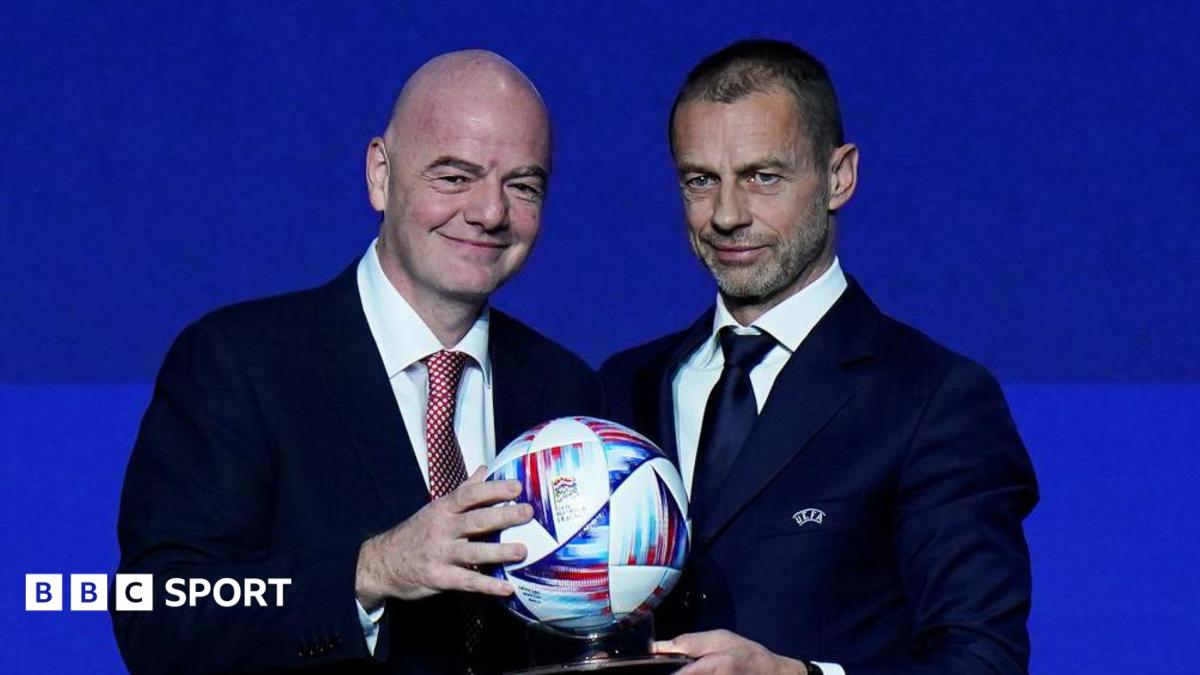
The 56-year-old Swiss-Italian FIFA chief sent a shiny proposal letter to his council members recently. He wants an external review of FIFA governance and a structured consultation period. Translation for normal human beings? He got caught messing around with the light switch in the dark, and now he wants credit for asking where the light bulb goes.
This whole scramble started when Infantino tried to push through his FIFA Forward Enterprise plan. That deal would have created a brand-new entity to handle commercial and ticketing rights for future World Cups, handing off a massive 21% stake to a private investment firm. European and North American powerhouses hated the idea instantly.
UEFA and Concacaf turned right around and demanded FIFA pay $10m out of its cash reserves to every single one of FIFA's 211 member associations. Meanwhile, FA chair Debbie Hewitt, who also serves as a FIFA vice-president, openly demanded Infantino release every single document tied to the venture.
When legal papers start flying in American courtrooms, even the most bulletproof sports executives start sweating. European football's governing body UEFA literally began preparing criminal legal proceedings against Infantino in US courts over the plan. FIFA fired back, calling the lawsuits a hostile narrative, but the damage was already done on social media feeds across the globe.
The Fan Base Split: PR Rescue or Actual Mutiny?
If you scan Reddit threads, group chats, or football Twitter replies, fans are split into three distinct camps over this sudden impulse for transparency from Zurich.
First up, you have the hardened cynics who dominate online football forums. They view Infantino’s letter as pure corporate smoke and mirrors designed to stall for time while the temperature drops.
Here is how the main arguments break down across the football community:
- The Cynics: This is a corporate deflection technique. Infantino wants to look accountable without losing real executive control before the next election cycle.
- The Money Realists: Smaller football federations do not care about governance frameworks. They just want their guaranteed payout check delivered on time without friction.
- The Drama Lovers: Neutral supporters are grabbing popcorn to watch UEFA and FIFA throw legal bombs at each other while pretending to care about ethics.
The cynics point directly at the calendar timing. Potential opponents have until 18 November to nominate an alternative candidate to run against Infantino in March 2027. Offering an internal review right now buys him a few precious weeks to calm down angry confederation presidents before anyone builds a proper coalition against him.
Then you have the pragmatists who look at the bank balances of smaller member associations. To a tiny island federation trying to fund grassroots pitches, structural reform means nothing compared to cash reserves sitting in Zurich. They want their wire transfer, and they will support whoever signs off on the money.
Finally, there are the contrarians watching this saga like a wild reality show. They find it hilarious that UEFA is trying to play the moral authority here. UEFA bosses calling out FIFA for commercial greed is like a casino owner complaining about someone playing slot machines next door.
Why Nobody Is Buying The Self-Policing Routine
Let us look closely at what Infantino actually put on paper in his letter circulated to member associations, as detailed in the BBC Sport report detailing the fallout.
Infantino laid out his core request in plain corporate language, asking if the council wants to change how major strategic projects get handled from the top down.
"First, I will ask the council whether it wishes to commission an independent external review of Fifa's current governance framework for major strategic initiatives and recommend potential improvements"
That sounds fantastic until you ask the single obvious question: who picks the reviewers? FIFA asking its own council to approve an independent review of FIFA is like asking a rowdy teenager to grade their own homework. You already know the report card is coming back with straight A's and a gold star for effort.
Infantino followed that up with a second proposal aimed at bringing stakeholders into the fold before major commercial gambits get launched into the wild.
"Second, I will propose that the council establish a direct, structured and time-limited consultation with confederations, member associations and relevant stakeholders on how Fifa's decision-making can be further strengthened."
Notice the word time-limited tucked in there. That is executive speak for keeping discussions inside a tight little box where nobody can cause real trouble. When UEFA began preparing criminal legal proceedings in US courts, FIFA publicly fired back by claiming it was facing a "smear campaign against it and its leadership." But launching public relations defensive plays does not erase the paper trail.
The core problem for FIFA leadership is total loss of trust. When you try to sell off more than one-fifth of World Cup commercial rights behind closed doors, people stop believing your intentions are noble. You cannot act like a ruthless private equity firm on Monday and then expect a high-five for corporate ethics on Tuesday.
Our Take: The November Deadline Is The Only Metric That Matters
Here is the bottom line from the sports bar stool. This external review pitch is not a sudden epiphany from Gianni Infantino about good governance. It is a classic wall put up to block a dangerous free kick.
The opposition from UEFA and Concacaf isn't just internet outrage; it is a direct challenge to his authority from the people who hold the keys to the biggest matches. When the FA chair demands internal documents and European football bodies bring heavy-hitting lawyers into US courtrooms, the boardroom politics get scary very fast.
If the reform proposal was genuine, it would have happened before trying to monetize over twenty percent of World Cup assets. Doing it now, under threat of legal action and cash demands from member nations, makes it look like desperate damage control.
Watch what happens leading up to that cutoff date in mid-November. If a serious rival candidate steps forward before November 18, all this talk about consultations and reviews will turn into a full-scale battle for votes. If no candidate emerges, Infantino will cruise toward March 2027 with his review team stamping everything approved.
Until then, take every promise of FIFA reform with a giant pinch of salt. Football governance changes only when someone forces the door open from the outside, not when the guy inside offers to check the lock himself.