The Big Picture
Football history functions as a collection of jagged edges and sudden shifts. True greatness isn't measured in longevity; it is measured in the minutes where the sport's trajectory bends toward a new reality.
The Ranking
10. The Austria Collapse (2026)
Lionel Messi hit his ceiling at the 2026 tournament, but his supporting cast failed late. The collapse in the group stages remains a glaring stain on a roster that carried massive expectations into the summer. They surrendered three goals in the final fifteen minutes to a disciplined squad that simply wanted it more. It serves as a reminder that even the goats of the game are beholden to gravity.
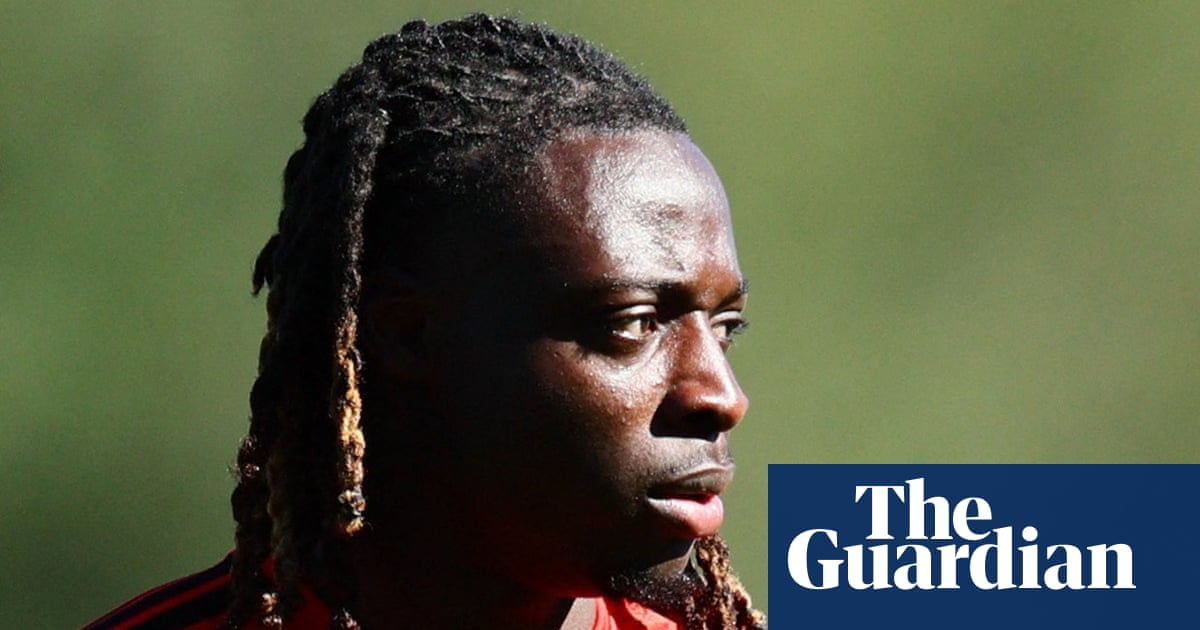
9. Doku’s Mid-Tournament Departure
Jérémy Doku’s decision to fly home from the competition to witness the birth of his child caused a firestorm in the European press. While L’Équipe was forced to issue a formal apology for the vitriol directed at him, the incident sparked a global debate on player welfare. It exposed the toxic insistence on "football first" at the expense of human reality. He is ranked here not for his play, but for changing the discourse on personal leave.
8. The Bogdanovic Broadcast Fallout
The controversy involving Rade Bogdanovic brought the dark undercurrents of the sport into the studio. By launching racist remarks during a live World Cup feed, he effectively ended his own career. The immediate backlash from the network acted as the only responsible path forward. It proved that legacy status does not provide immunity from moral accountability.
7. Zidane’s 2006 Exit
Nothing defines a career ending quite like a headbutt in a final. Zinedine Zidane finished his professional life with a red card, turning his back on the game in the most chaotic manner possible. It sits at number seven because it prioritized impulse over the prestige of the trophy. It remains the most jarring exit in the history of the sport.
6. The 1999 Champions League Turnaround
Manchester United needed two goals in injury time to beat Bayern Munich. With the clock hitting the 91st minute, they were dead in the water. Teddy Sheringham and Ole Gunnar Solskjaer forced a victory that defied logic and statistical probability. This was the moment the Champions League truly became the premiere theater of the absurd.
5. The Hand of God (1986)
Diego Maradona proved that at the highest level, the rules are often just suggestions. By punching the ball past Peter Shilton, he secured a path to Argentine glory that remains debated to this day. It is an act of pure, distilled audacity that elevated him to a deity in his home country. Most legends play the game; Maradona manipulated its fundamental constraints.
4. The 2014 Brazil Humiliation
Germany beating Brazil 7-1 in their own backyard was a structural failure that traumatized a nation. Brazil didn't just lose; they collapsed as an institution for nearly twenty minutes of gameplay. It serves as the cautionary tale against tactical over-aggression and unchecked national hubris. No other match in modern history has shattered the confidence of a football superpower so completely.
3. The Miracle of Istanbul (2005)
Liverpool returning from a 3-0 deficit at halftime against a formidable AC Milan side is the gold standard for grit. Steven Gerrard instigated a second-half resurgence that saw the Reds erase the gap in six minutes. It was messy, it was improbable, and it remains the gold standard for club football resilience. Milan's arrogance in the first half is the only reason they allowed this to happen.
2. The Pelé Breakthrough (1958)
A seventeen-year-old child dominating the world stage changed how talent scouts viewed the globe. Pelé scoring two goals in the final established the blueprint for the teenage phenomenon. This wasn't just a win; it was an advertisement for a brand of football that hadn't been seen by European audiences. It invented the modern superstar structure.
1. The 1950 Maracanazo
Uruguay defeating Brazil in front of nearly 200,000 people inside the Maracanã is the most significant result ever. The silence that fell over the stadium changed the national psyche of Brazil for decades. It was a failure of management and an impossible triumph of tactical discipline. Without this disappointment, the rise of the modern Brazilian aesthetic would have looked entirely different.
Honorable Mentions
- Greece winning Euro 2004 with a defensive block that bored the world into submission.
- The 1974 Dutch total football revolution that failed to lift the trophy but changed the geometry of the game.
- The 2008 emergence of Spain that finally proved possession could be weaponized for consistent tournament success.