The Big Picture
Seventy years after Gabriel Hanot handed over a modest china plate in Lancashire, the Ballon d'Or ceremony heads to the London Palladium on Monday night. The glitz is unrecognizable from 1956, but the global standard remains rooted in the relentless career of Stanley Matthews. Here is the definitive, unvarnished ranking of the ten defining chapters from the life of football's original trailblazer.
The Countdown: 10 to 1
10. The Canned Vegetable Juice Fiasco
Footballers today sign nine-figure contracts, but Matthews played under a strict maximum wage cap of £20 a week until 1961. To survive financially, he peddled hats, boots, and an ill-fated canned drink line that spoiled before reaching store shelves.
As producer Joe Pierce documented in his 2017 film Matthews, the venture was a commercial disaster because the juice went bad inside the metal containers. It lands at number ten because it exposes the punishing economic reality players faced while American stars like Joe DiMaggio secured $100,000 annual deals. It ranks below his on-pitch milestones, yet it proves Matthews was human, fallible, and forced to scramble off the pitch.
9. The Fire Brigade Pitch Watering Tactic
Long before automated sprinklers became standard Premier League protocol, Matthews summoned local fire brigades to douse the turf at Stoke. He demanded a slick surface to help his lightweight footwear glide past flat-footed defenders.
Purists might call it cynical gamesmanship, and opposing full-backs certainly hated slipping across an artificially soaked bog. Yet this questionable stunt edged out the canned juice disaster because it directly engineered matchday advantages. It stays pinned at number nine because manipulative pitch prep cannot outshine pure athletic brilliance.
8. Dawn Sprints on Blackpool Sands in Slipper Boots
Matthews trained like a prizefighter, borrowing grueling conditioning habits from his father Jack, the famous Fighting Barber of Hanley. While rival wingers smoked cigarettes at halftime, Matthews ran Blackpool beaches at sunrise and trimmed excess leather off his match boots until they felt like track slippers.
That obsession with lightweight speed changed athletic preparation forever. This routine easily clears the fire brigade gimmick at nine because it demanded punishing individual discipline rather than groundstaff tricks. It falls short of higher spots only because it served as routine preparation rather than a singular historic climax.
7. The 1932 Stoke City Debut
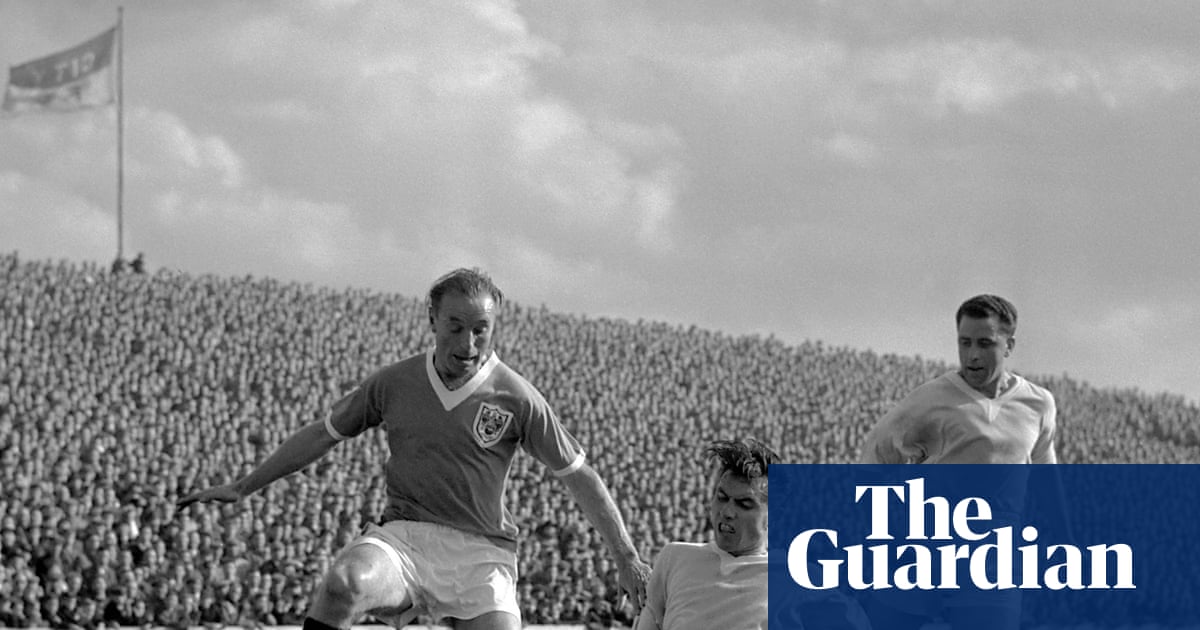
Matthews made his first senior breakthrough with Stoke City in 1932, introducing English grounds to unprecedented body swerves and explosive acceleration. He was an instant revelation on the wing, earning the iconic "Wizard of Dribble" moniker almost immediately.
That debut season established the blueprint for a professional career spanning more than three decades. It outranks his morning sprint rituals because it announced his genius to paying spectators. Still, it sits behind his international and political achievements because raw potential always bows to proven trophies.
6. The 54th England Cap at Age 42
Matthews pulled on the Three Lions shirt for the final time in 1957, competing at age 42 against elite international opposition. His total of 54 England appearances would have reached triple digits had the second world war not wiped out six prime years of international fixtures.
Critics often argue older wingers clog development pathways for emerging talent, but Matthews earned every single minute on merit. He edges his 1932 debut at seven because sustaining world-class standard across two post-war decades is vastly more demanding than breaking into a starting eleven. He ranks below his civic farewell because domestic caps were routine business for him.
5. The 100,000-Strong Farewell in Stoke
When Matthews passed away in 2000 at age 85, over 100,000 mourners flooded the streets of Stoke to pay their final respects. As The Guardian reported, it was the largest public gathering for a British funeral since Sir Winston Churchill.
That staggering turnout showed that working-class supporters never forgot his loyalty or his humility. This solemn tribute surpasses his international swan song at six because sporting metrics pale beside a city-stopping civic farewell. It stays just outside the top four because the moments he authored while breathing and running carried active athletic agency.
4. The 1965 Active Knighthood
In 1965, Buckingham Palace knighted Matthews while he was still an active professional on the books at Stoke City. He received the royal honour just months before finally hanging up his boots at age 50.
No active footballer had ever been knighted before, cementing his status as a national icon across class divides. It trumps his funeral procession at five because he received these flowers while still beating defenders on Saturday afternoons. Yet it misses the podium because political honors from London establishments cannot match the pure moral courage of his overseas defiance.
3. Crowned 'Soccerhene' at Ghana's 1957 Independence
Fresh off winning Europe's top individual prize, Matthews traveled to West Africa in 1957 to headline exhibition fixtures marking Ghana's historic independence. Locals mobbed the Englishman, presenting him with a carved ivory sword and officially crowning him as a soccer chief on a ceremonial stool.
He did not arrive as an aloof European tourist collecting appearance fees; he immersed himself in local football culture and coached young players across summer tours that lasted until 1978. That Ghanaian coronation easily bests his domestic knighthood at four because it shattered continental boundaries before global television existed. Only one daring, high-stakes project in Southern Africa could possibly finish above it.
2. Stan's Men: Defying Apartheid Spies in Soweto
During the mid-1970s, Matthews traveled to Soweto to coach an all-Black youth team known as Stan's Men. He stared down intense intimidation from the apartheid regime, securing commercial backing from Coca-Cola to fly the teenage squad to an international tournament in Brazil.
Pierce uncovered extraordinary government files showing state agents actively tracked Matthews at training camps while British and South African officials pressured him to pull out. Matthews leaned on personal ties with the Duke of Edinburgh to navigate diplomatic channels and protect the tour.
“Dad just liked people. And he knew that they had or he thought that they had a good talent. He just wanted to see if he could help them improve.”
His coaching mission ended abruptly after the 1976 Soweto Uprising, leaving players heartbroken. This moral defiance ranks higher than Ghana or his royal knighthood because he risked personal safety against an oppressive regime. Only the foundational moment that permanently wrote his name into football lore beats it.
1. The Inaugural 1956 Ballon d'Or in Blackpool
In 1956, L'Équipe editor Gabriel Hanot arrived at Blackpool town hall to present 41-year-old Matthews with the first Ballon d'Or. There were no flashy red carpets, multimillion-pound sponsorships, or slick television sets; the mayor simply handed over a commemorative china plate.
Matthews celebrated the triumph with carrot juice, reflecting the teetotal discipline that enabled him to dominate European voting at an age when peers were long retired. As The Guardian notes, only three Englishmen and one African winner—George Weah—have lifted the prize since.
“There was no ceremony. ‘Here’s your Ballon d’Or, well done’, sort of thing. But obviously it’s grown over the years, and now it’s a huge event.”
This historic evening takes the top spot over Stan's Men because it established the global standard of football greatness that survives seventy years later. Everything happening at the London Palladium traces back to that room in Lancashire.
Honorable Mentions
Two defining milestones narrowly missed our top ten countdown:
- Matthews hosting cabaret star Charlie Chester at his seaside Blackpool boarding house while maintaining grueling dawn fitness schedules.
- His son Stanley Matthews Jr winning junior Wimbledon, proving world-class athletic genetics ran deep in the family household.
Decades after his final sprint down the touchline, the footballing world continues chasing the legacy Stanley Matthews built from Blackpool to Soweto.