The Big Picture: Establishing the Modern Standard
Women's football has evolved from a niche curiosity into a massive commercial draw. These ten moments represent the inflection points where the sport forced the world to pay attention.
The Ranking
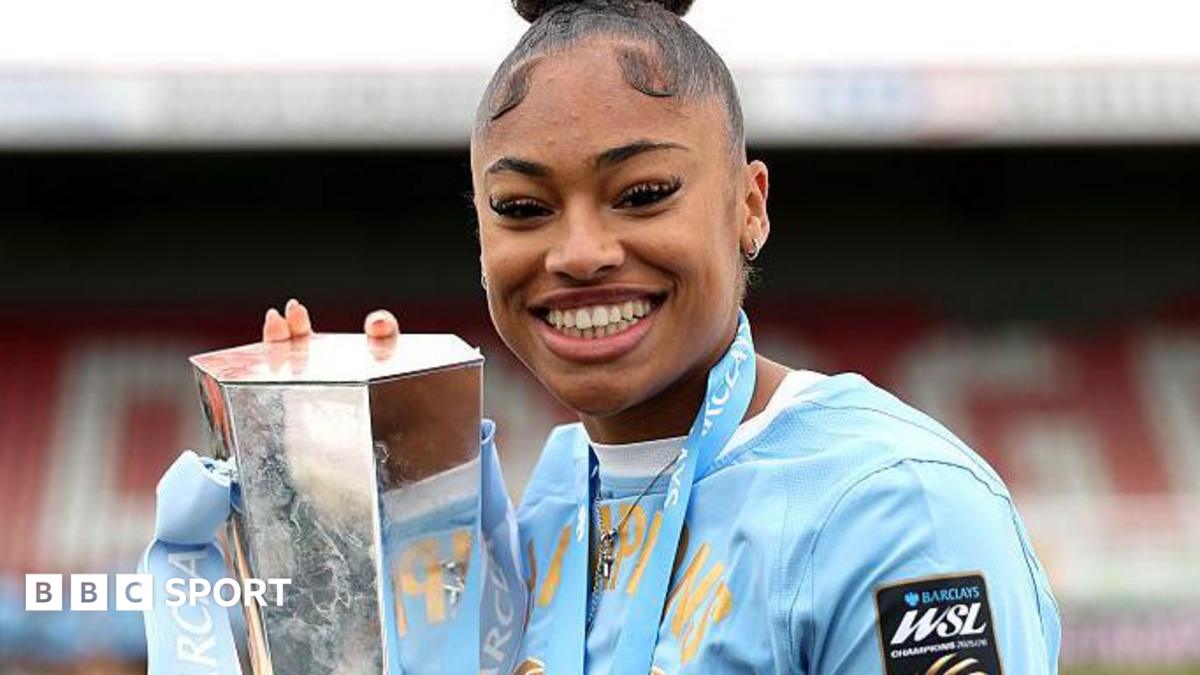
10. Khiara Keating rejecting Manchester City in 2026. This move signaled a shift in player agency, as top-tier talent like Khiara Keating turns down an offer to remain with a perennial contender. It marks a reality check for big clubs relying on legacy branding to hold onto stars.
9. The 2019 World Cup Final attendance records. While the tournament was a success, the scheduling gaps highlighted a lack of foresight by global governing bodies. The 57,900 capacity at the final was a high, yet critics pointed to the lack of infrastructure in smaller host cities.
8. The professionalization of the WSL. Moving from a semi-pro setup to a fully professional league changed the data on player fitness levels. It moved the game away from pure pace-based scrambles toward tactical spacing. However, the salary gap between the top three clubs and the rest remains an eyesore.
7. The 2022 Euros Final at Wembley. Attendance hit 87,192, setting a historic benchmark for the European game. It was a masterclass in marketing, yet the aftermath showed that national associations were unprepared to capitalize on the sustained momentum.
6. The USWNT equal pay settlement. This concluded years of litigation regarding pay equity and budget allocation. Beyond the numbers, it forced a fundamental audit of how international federations distribute prize money. It remains the most important administrative shift in the history of the sport.
5. Chelsea’s WSL dominance under Emma Hayes. Her tactical approach shifted the league from an amateurish standard to a professional powerhouse. She forced opponents to adapt to high-pressing systems or face heavy defeats. Still, her failure to secure a Champions League title remains a significant footnote.
4. Barcelona Femeni’s 2023 Champions League comeback. Trailing 2-0 to Wolfsburg, they rallied to win 3-2 in a display of technical superiority that few teams can match. It reinforced the Spanish model of possession-based football as the superior methodology. They exposed a lack of defensive depth in the German side.
3. Australia hosting the 2023 World Cup. The tournament reached 2 million total tickets sold, proving that Southern Hemisphere markets are massive revenue drivers. It shifted the center of gravity in the sport. Critics argue the late-night kickoff times hurt European television viewership data.
2. The Lionesses reclaiming the trophy in 2022. It was the first major tournament win for England since 1966, sparking a national cultural shift. The technical standard during the knockout phase was elite, specifically the composure shown during the final at Wembley.
1. The 1999 World Cup Final. Brandi Chastain’s penalty kick and subsequent celebration captured a global audience that had never engaged with the tournament before. It was an imperfect game that featured a missed penalty early on, yet it set the commercial floor for every generation that followed.
Honorable Mentions
The rise of the Japanese Nadeshiko in 2011 remains an underrated achievement, proving that tactical discipline can overcome physical advantages. Additionally, the increasing reliance on VAR has caused more controversy than clarity in the 2024-2025 seasons, proving technology is not a total solution for officiating errors.