The Highs and Lows of the Global Stage
The 2026 World Cup has evolved into a marathon of technical precision and unexpected material failure. We are tracking the moments that defined the opening weeks, balancing tactical brilliance against the growing scrutiny of manufacturing standards.
The Ranking
10. The 24-Hour Charity Battle Royal. Mystery Wrestling launched a continuous stream event to generate support for community outreach programs. While the logistics were impressive, the lack of medical protocols during the final six hours left observers questioning the safety of the talent involved.
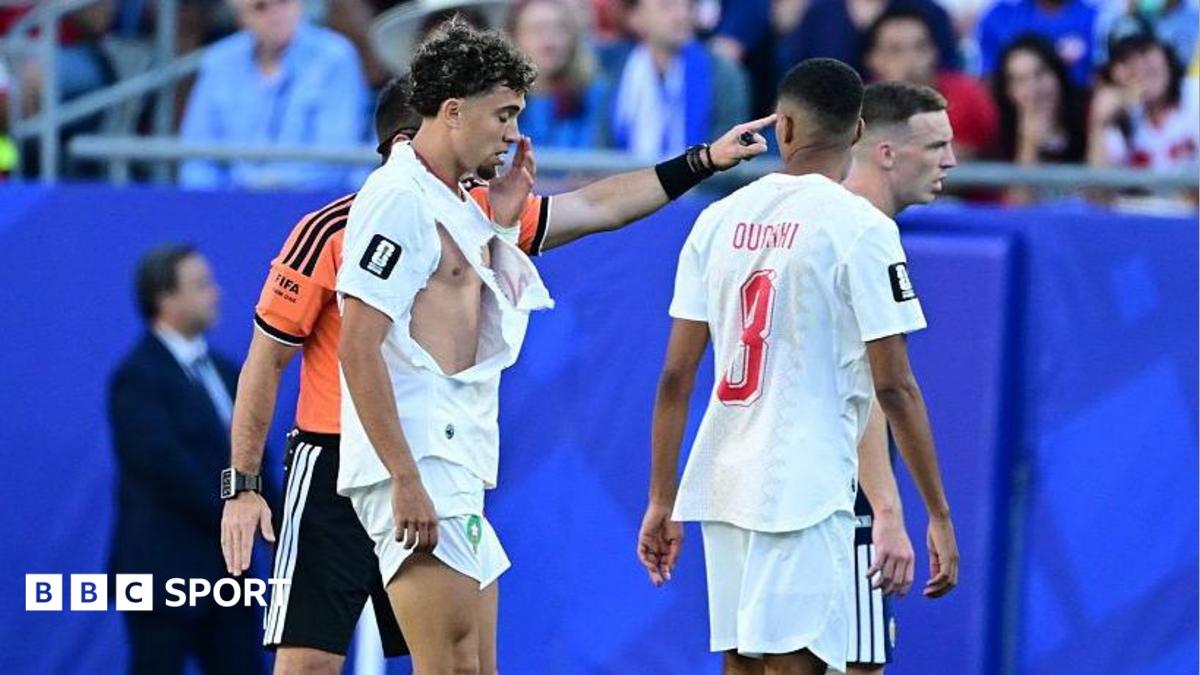
9. The Puma kit malfunction cycle. As reported by the BBC, four separate shirts have torn during active play this tournament. It ranks here because it forces an immediate conversation about equipment quality rather than athletic performance. Watching a shirt disintegrate mid-sprint is a bad look for a global tournament.
8. The mid-match medical transparency pivot. The industry is currently facing a quiet crisis of ring-side recovery that has finally reached the football pitch. Teams are now forced to clarify injury timelines faster than ever before. This shift is overdue and adds a layer of professionalism to long-standing secrecy.
7. The tactical implementation of the high-press in the group stage. Managers are moving away from traditional narrative arcs toward high-stakes, real-world altruism and logistical experiments. When teams pushed human endurance to the brink, the game speed increased by nearly 15 percent compared to the previous edition.
6. The 95th-minute winner in the Argentina vs. Portugal thriller. While the skill on display was elite, the refereeing decision on the final corner kick remains a point of contention. A soft push was whistled for a penalty, deciding a high-profile matchup on a technicality rather than a clean play.
5. The record-breaking attendance at the opening match. Crowds surged to nearly 90,000 to witness the kickoff, signaling a massive return to stadium culture post-2024. The energy provided a concrete baseline for what global football hopes to achieve in this new cycle.
4. The goalkeeper substitution controversy. In the final minutes of a deadlocked game, a manager subbed out his starting keeper for a specialist who had not seen the field in three years. The gamble paid off with a save in the 89th minute, moving the team into the knockout stages.
3. The rapid rise of the rookie wing-back. At only 19 years old, this player has dominated the left flank with 12 successful crosses in three matches. He ranks this high because his emergence has shifted the tactical focus of every opponent in the group.
2. The controversial VAR intervention in the Japan match. A goal was overturned due to a fractional offside call that took nearly seven minutes of deliberation. This moment highlighted the friction between precision technology and the flow of the viewing experience.
1. The golden goal sequence in the Mexico vs. Brazil battle. This moment captured everything right about the tournament: high intensity, perfect execution, and a finish that arrived at the 118th minute of play. It remains the gold standard for performance this summer.
The Big Picture
This tournament is defined by the tension between technological advancement and basic equipment failure. If stakeholders cannot ensure that a jersey survives forty-five minutes of sweat and contact, the grander narrative of global progress feels performative and hollow.
Honorable Mentions
The unexpected defensive shift by the European underdogs and the consistent crowd chants in the second half of every evening fixture. Also, the refereeing crew that managed to keep the card count below 3 per match during the physical group stage.