The Right-Back Crisis Threatens England's World Cup Campaign
Thomas Tuchel has backed himself into a corner, transforming England's deepest position into a gaping vulnerability ahead of Monday's Round of 16 clash against Mexico. By selecting injury-prone defenders and compounding the error with an emergency centre-back call-up, the German manager has left the Three Lions exposed at the worst possible moment. As Sky Sports reported, this selection crisis has created a major headache ahead of a knockout run that was supposed to yield silverware. Here is how Tuchel's ten right-back options rank as England prepares for the hostile atmosphere of the Azteca Stadium.
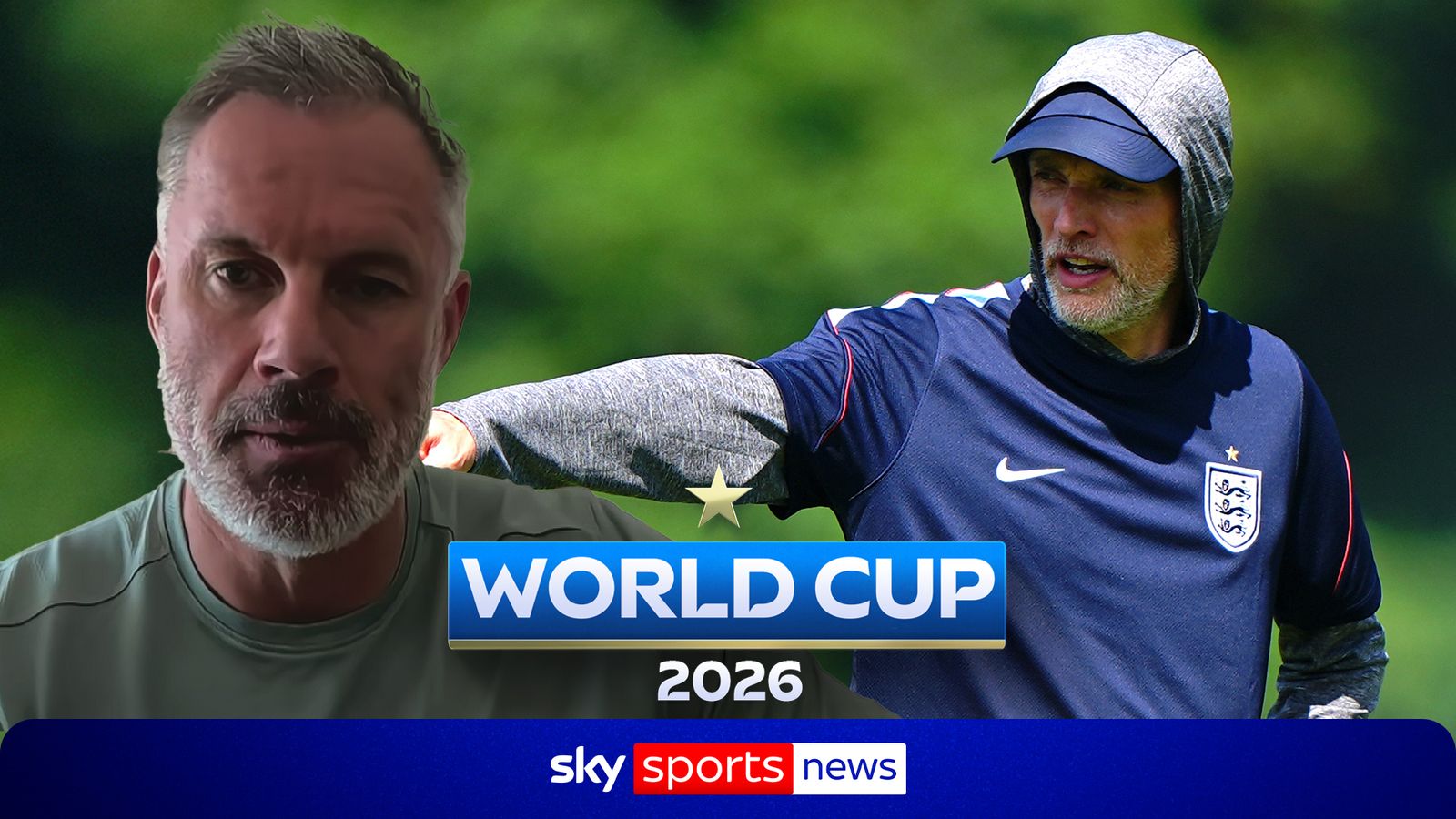
"It's not been clever after the event. He picked two very injury-prone players at right back... But I think to bring Chalobah in when there were injuries in that position was a bizarre decision. He's not a right back, so you're going to leave yourself short." — Jamie Carragher on Sky Sports News.
Thomas Tuchel's Right-Back Options Ranked
10. Trevoh Chalobah
Tuchel’s decision to call up the Chelsea centre-back as an emergency replacement for Tino Livramento was labeled "bizarre" by Jamie Carragher. It remains the root of England’s current defensive crisis as they prepare for Mexico, which The Daily Mail published on Saturday. While Chalobah provides central cover, he lacks the natural mobility required to operate as an elite international right-back. Deploying him on the flank against a quick Mexican attack would be a recipe for disaster. He ranks last because playing a centre-back out of position is a fundamental tactical error.
9. Elliot Anderson
While Anderson is a midfielder, his inclusion on this list is a direct consequence of Tuchel’s selection cascade. When Declan Rice dropped back at the end of the nervy 2-1 victory against DR Congo, Anderson was left isolated in central midfield. The Newcastle playmaker struggled to contain counterattacks, demonstrating that moving players to cover right-back destroys the midfield's screen. Anderson cannot play fullback himself, and shifting others there forces him into roles he cannot manage. He ranks ninth because his midfield struggle shows why the midfield anchor must not be moved.
8. Nico O’Reilly
The young Manchester City left-back is another casualty of Tuchel's squad construction. Because Djed Spence was originally drafted as O’Reilly’s left-back deputy, shifting Spence to the right leaves England without cover on the opposite flank. If Tuchel decides to play O'Reilly out of position on the right, he would be exposing a young player to immense pressure. This option ranks low because it disrupts the left side without offering a stable solution on the right. O'Reilly is a prospect, but throwing him into the Azteca pressure cooker is irresponsible.
7. Declan Rice
Shifting Arsenal’s midfield anchor to the right-back slot is a desperation move that Tuchel trialed against DR Congo. While Rice has the defensive acumen to stop attacks, Carragher warned that starting him there leaves the midfield completely exposed. The drop-off in midfield control without Rice is too severe a price to pay for emergency fullback cover. England's defensive structure collapsed early in the last match, and losing Rice from the center invites more pressure. He ranks seventh because, despite his quality, the team structure suffers too heavily from his relocation.
6. Kyle Walker
The veteran defender is not in Mexico, but his absence looms large as the squad's defensive limits are exposed. Walker’s elite recovery pace and tournament experience are exactly what this fragile backline needs to survive counterattacks. Even now, a semi-fit Walker would represent a massive upgrade over the current makeshift options. Tuchel's decision to move past the veteran looks increasingly shortsighted as the right-back crisis worsens. He ranks sixth because, although unavailable, the decision to leave him behind is a major reason why England is in this mess.
5. Ben White
The Arsenal defender’s ongoing exile from the international setup is a self-inflicted wound that England is paying for in full. White has been one of the most consistent right-backs in the Premier League, offering both defensive solidity and tactical flexibility. Having him in the squad would have resolved this entire crisis before it even began. Tuchel's inability to resolve the issues keeping White out of the squad represents a failure of management. He ranks fifth because he is the ideal solution Tuchel cannot access due to past disputes.
4. Trent Alexander-Arnold
The Liverpool playmaker’s omission or unavailability has stripped England of their most creative defensive outlet. While critics often highlight his defensive vulnerabilities, his world-class passing range would have been invaluable for bypassing high presses. Without him, England lacks a player who can dictate the tempo of the game from deep positions. His set-piece delivery and vision are qualities that this stagnant English attack desperately needs. He ranks fourth because his presence would have forced opponents to defend deeper, mitigating England's defensive fragility.
3. Reece James
The Chelsea captain is England’s first-choice right-back when fit, but his hamstring injury after the 0-0 draw with Ghana has thrown the campaign into chaos. Tuchel gambled on James’s fitness, and that gamble has failed, leaving the medical staff racing against time. If James can manage even a partial recovery, his physical presence would immediately stabilize the backline. Rushing him back too early could lead to another long-term layoff and leave England with an active liability. He ranks third because a half-fit James is still superior to most healthy alternatives, though starting him is a massive risk.
2. Djed Spence
Spence is the only fit, natural right-back left in the squad, making him the default choice to start against Mexico. Despite facing heavy criticism after DR Congo exploited his side to score in the 7th minute, he remains the most logical option. Shifting him from his designated left-back deputy role back to his natural right side is a simple adjustment. He must perform significantly better to stop Mexico's wide players from dominating the flank on Monday. He ranks second because he allows other key players, particularly Rice, to remain in their strongest positions.
1. A Tactical Shift to a Back Three
The best solution to Tuchel's right-back nightmare is not a player, but a system change. Reverting to a three-man defense—a system Tuchel used to win the Champions League with Chelsea—would shield England’s defensive weaknesses. It allows Bukayo Saka or Spence to play as wing-backs, utilizing their athletic profiles while sharing defensive duties. This adjustment would also get the most out of England's centre-backs while masking the lack of natural fullbacks. This tactical pivot ranks first because it solves the personnel shortage, protects a fragile backline, and matches the coach's historic strengths.
Honorable Mentions
Tino Livramento remains the tragic figure of this selection saga after a calf injury forced his withdrawal before the tournament started. Had the Newcastle fullback remained fit, England would not be facing a defensive bottleneck of this scale. Additionally, Bukayo Saka deserves a mention as a potential wing-back option if Tuchel pulls the trigger on a back-three system.
Read Next
- Can England survive the Azteca and Thomas Tuchel's tactical identity crisis?
- England's right-back mess is about to catch up with them at the Azteca
- Why England's World Cup run could end in the thin air of the Azteca
- Thomas Tuchel's chemistry experiment is failing England at the worst moment
- 🏴 England World Cup 2026 — Three Lions Hub