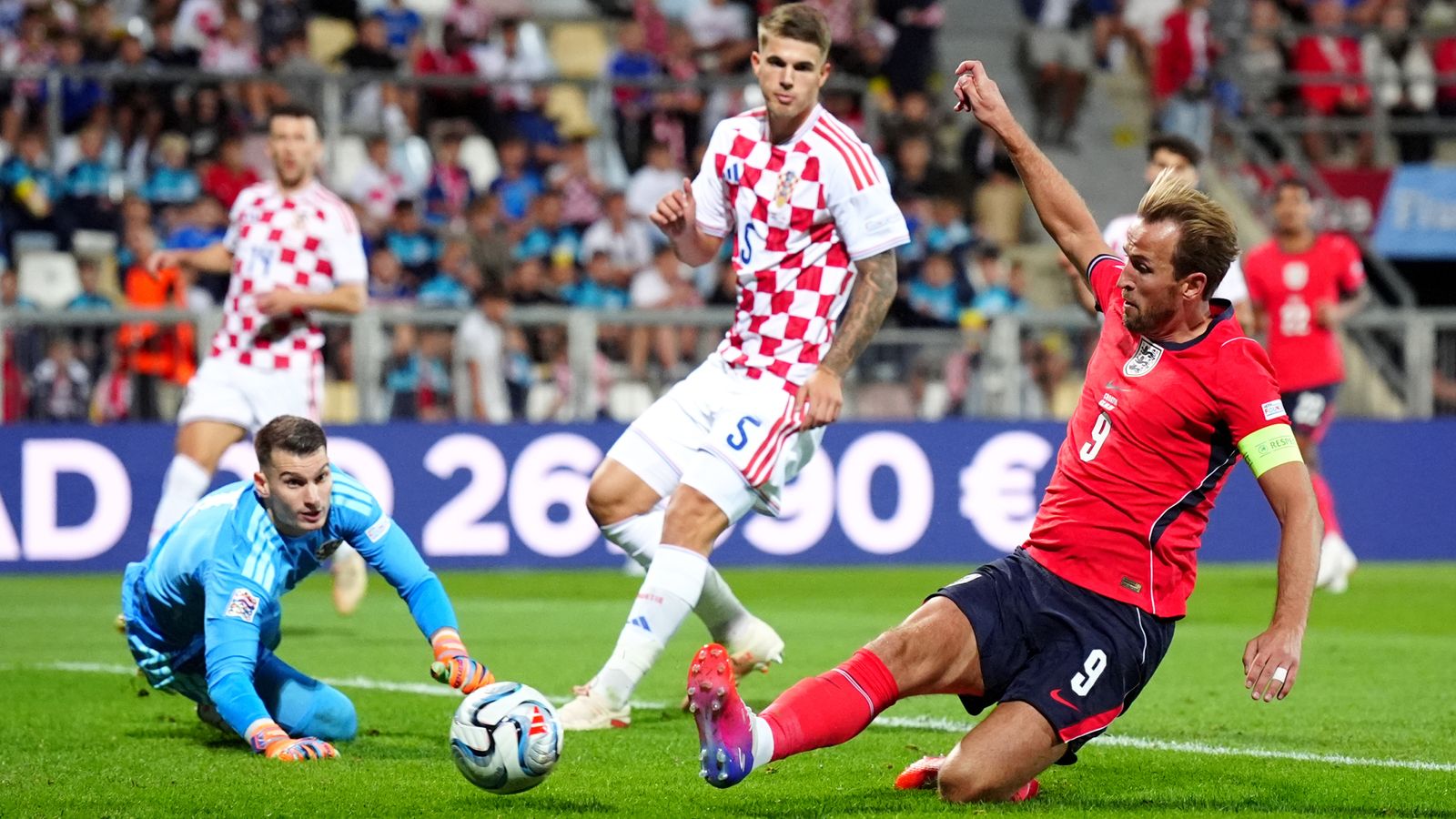
The brutal math of tournament heartbreak
Two minutes and 55 seconds. That was the window of pure, unadulterated belief for England fans before the reality of tournament football came crashing down like a spilled pint in a packed pub. Max Rushden wrote in The Guardian about the shelf life of hope, and honestly, he nailed the collective mood of a nation currently trying to reconcile their feelings with the brutal brevity of the experience.
You see the forums, you see the group chats, and you see the absolute carnage that happens when expectation meets the cold, hard steel of a knockout round exit. It is not just about losing; it is about the specific way in which the air left the room. We spent weeks building momentum, acting like this was the one, only to hit the deck in the dying moments of the match.
The believers versus the tactical cynics
The enthusiasts are currently on the 'at least we were there' copium, which is a classic defensive mechanism used by people who have watched too many penalty shootouts to be truly hurt anymore. One Reddit user noted that they would rather feel the crushing weight of a semi-final exit than never care at all. It is a noble sentiment, assuming you don't mind the psychological equivalent of a recurring migraine.
Then you have the skeptics, the ones who spent the entire tournament pointing out every flawed defensive transition. They are having a field day right now, listing off every missed clearance and every substitution that felt like a gift to the opposition. These folks don't want your optimism; they want a whiteboard and an apology letter from the manager.
Two minutes and 55 seconds. That’s how long I really had hope of reaching the World Cup final. And it didn’t kill me.
That quote captures the bizarre masochism of being an England football fan in the modern era. We are living in a state of perpetual high-stakes disappointment, and frankly, we are getting faster at cycling through the stages of grief. The contrarians, naturally, are busy arguing that this wasn't even a letdown, just an accurate reflection of where the squad sits in the international pecking order.
Why we keep doing this to ourselves
There is a genuine, burning question about why we invest so much emotional capital into these squads. A recurring theme across the socials is that the players don't owe us their life, yet we act like they've personally offended our ancestors by failing to convert a corner kick in the 89th minute. It is absurd, it is messy, and it is exactly why the sport is still the king of the pub conversations.
I’ve looked through the threads, and the consensus seems to be that while the exit was painful, the ride was arguably better than the destination. That sounds like something you write on a Hallmark card, but in the context of football, it makes sense. If you were only chasing the trophy, you would have stopped watching decades ago.
However, let's address the elephant in the dressing room: the tactical rigidity looked like a relic of the mid-2000s in moments that required actual fluidity. You can't keep relying on individual moments of magic to bail out a system that is clearly allergic to change. When the pressure rose to 35 degrees on the pitch, some of the personnel looked more like statues than athletes.
The defensive structure collapsed during that frantic stretch, conceding on set-pieces that looked entirely avoidable. That’s not a lack of hope; that’s a failure of preparation. Fans are rightly pointing out that when you reach this stage of a major competition, your margin for error is essentially zero. We missed that mark, and it wasn't because of fate or bad luck, but because the engine stalled exactly when it needed to shift gears.
So, where does this leave us? We drink. We complain. We delete our social media accounts for forty-eight hours until the next announcement drops. The cycle is as predictable as a Gareth Southgate press conference, yet we return every single time. It is a tragic comedy that plays out on a global stage, and for some reason, we are all glued to the screen for an encore.
We have to stop framing these failures as mystical occurrences. Football is a game of systems and efficiency, and on the biggest day, the team lacked the composure that made them look like world-beaters just a match prior. If the management doesn't address the structural gaps, we’re going to be reading the same types of columns in two years, just with different faces in the squad.
Take heart in this, at least: the agony of being a fan of this team provides a certain amount of character. Not good character, necessarily, but a specific type of grit that only comes from staring at a blank television screen in silence after a devastating whistle. Stay angry, because the only thing worse than caring too much is finally realizing that none of it actually changes your life.
Read Next
- England’s World Cup heartbreak offers a brutal reality check
- Gary Neville is finally speaking some sense about England’s aging core
- England and France meet in a match literally no one asked for
- New York air quality is turning the World Cup final into a disaster
- 🏆 World Cup 2026 — Full Coverage Hub
- 🏴 England World Cup 2026 — Three Lions Hub