The Big Picture: A Tournament of Pure Chaos
The 2026 FIFA World Cup has officially shattered the old international order. Hosted across the United States, Canada, and Mexico from June 11 to July 19, the 48-team expansion proved that more participants equals more volatility.
Tactical conservatism died on the altar of a brutal, high-intensity schedule. These are the moments that defined a month of historic upheaval.
1. Mbappe’s Quarter-Final Masterclass
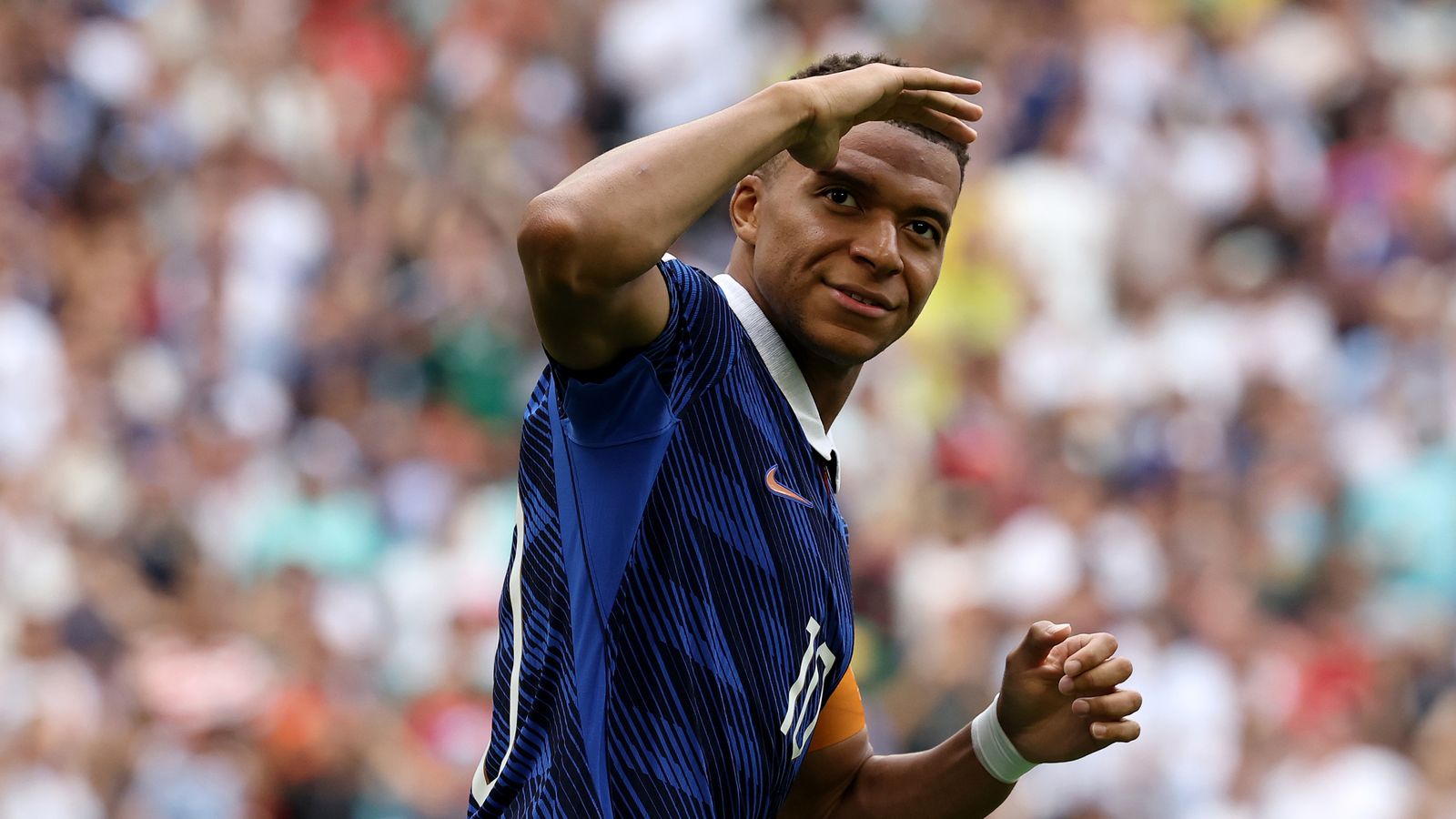
Kylian Mbappe’s solo effort against Brazil in the quarter-finals remains the technical peak of this tournament. Picking up the ball at the halfway line, he evaded two defenders and slotted a low finish past Alisson at 89 minutes. This goal secured his spot at the top of the charts; as Sky Sports noted, he enters the final two goals clear of Lionel Messi.
It stands at number one because of the stakes. Brazil was the favorite until this moment of individual brilliance. Mbappe essentially ended their tournament run with a single lung-bursting sprint.
2. The Canadian Miracle vs. Germany
Canada’s group-stage victory over Germany in Toronto was pure adrenaline. Tajon Buchanan’s tap-in during the 92nd minute sparked a stadium-wide riot of noise that surpassed any other match this summer. It wasn't just a win; it signaled that North American hosts could actually compete with global powers.
Some analysts called it a defensive fluke, but the stats showed Canada dominated the final third. It pushed Germany to the brink and changed the group dynamics permanently.
3. Messi’s Free Kick vs. Spain
Lionel Messi delivered an absolute thunderbolt from 25 yards in the semi-final. It curled into the top corner, leaving the goalkeeper frozen in place during the 44th minute. The technical execution was flawless.
This ranks below Mbappe’s run only because the defensive positioning from Spain was questionable. Still, the narrative weight of a final-pushing free kick makes it instant history.
4. Nigeria’s Group Stage Exit Shock
The Super Eagles were the most technically impressive team in the early rounds. Their 4-1 dismantling of Portugal was supposed to be their coronation. However, a catastrophic loss to Saudi Arabia in their final group game nullified everything.
It highlights the fatal flaw of the new format: teams get complacent after one big win. Nigeria looked unfocused, disjointed, and essentially beat themselves.
5. The Goalkeeper Revolution
Emiliano Martinez and his peers turned penalty shootouts into high-stakes theater. The save percentage across all shootouts was statistically higher than in previous editions. It created a level of tension that drained the energy from stadiums instantly.
Whether you enjoyed the theatrics or not, it became the defining visual of the knockout stages. It changed how coaches now approach their final substitutes.
6. The VAR 'No-Call' in the Quarter-Finals
Tournament organizers faced heat after the Uruguay-Netherlands match. A clear handball in the box during the 78th minute was ignored by both the referee and the VAR booth. It robbed the game of a potentially game-winning penalty.
This was the low point of the tournament officiating. It serves as a reminder that even with advanced tech, human error remains the deciding factor.
7. Japan’s Tactical Overhaul
Japan’s high-press system dismantled Australia and eventually pressed England into submission. Their ability to maintain a suffocating defensive line for 90 minutes broke the traditional rhythm of international play. They proved that fitness now matters more than historical prestige.
It was a masterclass in modern, efficient team building. No single star carried them; it was pure system performance.
8. The Mexico City Pitch Invasion Atmosphere
The atmosphere at Estadio Azteca during the opening match was unparalleled. Seeing 80,000 fans celebrate in unison set the bar for the entire event. It provided a visual spectacle that broadcast cameras struggled to capture fully.
While the game itself was a cagey draw, the scene proved that the 2026 expansion was a commercial and cultural massive success. It was the heart of the tournament.
9. Vinicius Jr.’s Frustration
Watching the Brazilian star unravel following the exit was telling. His post-match interview provided a raw, uncomfortable glimpse into the pressure heaped on one individual. It was a rare moment of vulnerability in an otherwise polished sports landscape.
The lack of support provided by his teammates when Brazil went down defined their campaign. It underscored that a collection of elite players does not equate to a functioning team.
10. The 48-Team Format Controversy
It sounds strange to rank a format as a moment, but the final day of the group stage was pure chaos. Trying to track permutations across four different groups simultaneously turned casual fans into amateur mathematicians. It was confusing, annoying, and undeniably exciting.
Despite the flaws, it created a level of stakes that traditional group stages lacked. It cemented the 48-team era as the new standard.
Honorable Mentions
- The surprise emergence of Morocco’s defensive structure.
- The torrential rain delays that pushed the schedule to the limit.
- The lackluster performance of the defending champions on opening night.
Read Next
- Argentina and Spain are chasing the ultimate tactical prize in Jersey
- Spain and Argentina are forcing a tactical reset in New Jersey
- Spain have already outclassed Argentina in the World Cup final
- The World Cup halftime show was a fever dream for the history books
- 🏆 World Cup 2026 — Full Coverage Hub