
The Big Picture
The 2026 World Cup has evolved into a tactical war between aging legends and high-press speed. We are watching the consolidation of institutional power, where the top teams define success by their ability to control space rather than individual flair.
The Rankings
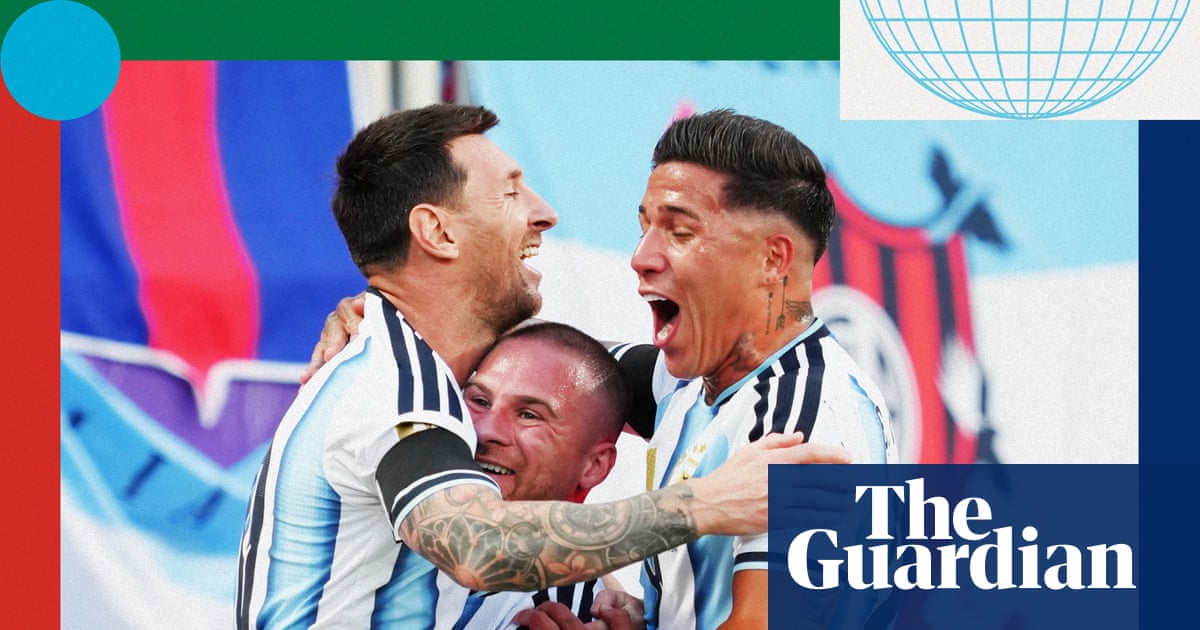
1. The Argentina-Switzerland tactical stalemate in the quarter-final. Argentina struggled to break a low block, revealing a reliance on Lionel Messi that remains dangerous for their semi-final against England. As The Guardian reported, Switzerland's congestion of the middle lane forced Messi into peripheral zones.
2. Thomas Tuchel’s mid-season tactical shift for England. By abandoning the conservative shell in favor of a transition-heavy attack, he turned the Three Lions into the tournament's most efficient scoring machine. This gamble worked against high-pressing teams but remains vulnerable to counter-attacks.
3. The elimination of Italy in the group stages. Their failure to register a single shot on target in their final match against Ghana was an embarrassing exit for a storied program. It was a regression in quality that highlighted a lack of tactical flexibility in the final third.
4. The emergence of the Ghanaian midfield. Their transition play has been the story of the tournament, effectively bypassing traditional European defensive structures. They possess a rhythmic pace that has caught several heavyweights off-guard during the group phases.
5. The VAR intervention in the France-Brazil round of 16 bout. A questionable handball decision led to a 1-0 scoreline that ultimately sent the favorites home. Fans continue to debate the consistency of the officiating standards applied since the opening whistle.
6. Messi's individual brilliance against the Netherlands. Despite physical limitations, his capacity to manipulate defensive gravity is unmatched. He consistently creates space for teammates who have otherwise struggled to find form.
7. The host nation failure in the opening match. High levels of pressure overwhelmed the squad, resulting in a defensive collapse within the first twenty minutes. This moment soured the tournament atmosphere before it truly began.
8. The tactical discipline shown by the Swiss defense. By forcing Argentina into narrow passing lanes, they proved that talent disparities can be mitigated with strict positioning. They set a blueprint that other squads have failed to replicate.
9. The injury to the starting Brazilian playmaker. His withdrawal caused an immediate drop in possession quality, forcing a reliance on long-ball tactics that do not suit their squad profile. It was a failure of depth management.
10. The lack of width provided by the Argentine fullbacks. While their central presence is lethal, their inability to stretch the pitch prevents them from opening gaps against organized back-fours. This tactical limitation invites pressure onto their center-backs in high-stakes matches.
Honorable Mentions
The penalty shoot-out training techniques appearing in every pre-match warm-up sessions suggest a desperation regarding goal-scoring. Additionally, the widespread criticism regarding refereeing velocity has dominated fan discourse, with many feeling the game is being stopped too frequently. These issues represent a significant friction point for the remainder of the competition.





