
The midfield war at the Cotton Bowl
England enters this semi-final under pressure. Thomas Tuchel has made no secret of his dissatisfaction with the recent outing against Norway, where his squad allowed too much space between the defensive block and the pivot. Michael Owen noted that the performance was as bad as he feared, yet observed that England remains capable of dismantling Argentina if they tighten their spacing. The metrics tell a grim story of that last match; passing lanes were clogged, and the transition defense looked sluggish against simple vertical balls.
Jude Bellingham is carrying England to the World Cup final because he functions as a one-man chaos engine. His movement between the lines is the only thing preventing this team from feeling static. His influence in the final third has become the primary metric for England’s success. However, relying on one individual to solve structural stagnation is a risky gambit against an Argentine side that specializes in numerical overloads in the middle of the park.
The threat of a resurgent Spain
While the focus is on the Argentina clash, the rest of the bracket remains a volatile variable. Spain has been building momentum, and captain Rodri Hernandez believes they are fully prepared for the challenges ahead, even as they eye a potential path through France. Rodri has been meticulously analyzing every game so far, emphasizing that getting the best out of Lamine Yamal is non-negotiable for their progression. Spain’s possession-based approach contrasts with the direct, explosive nature of the Bellingham-led attack.
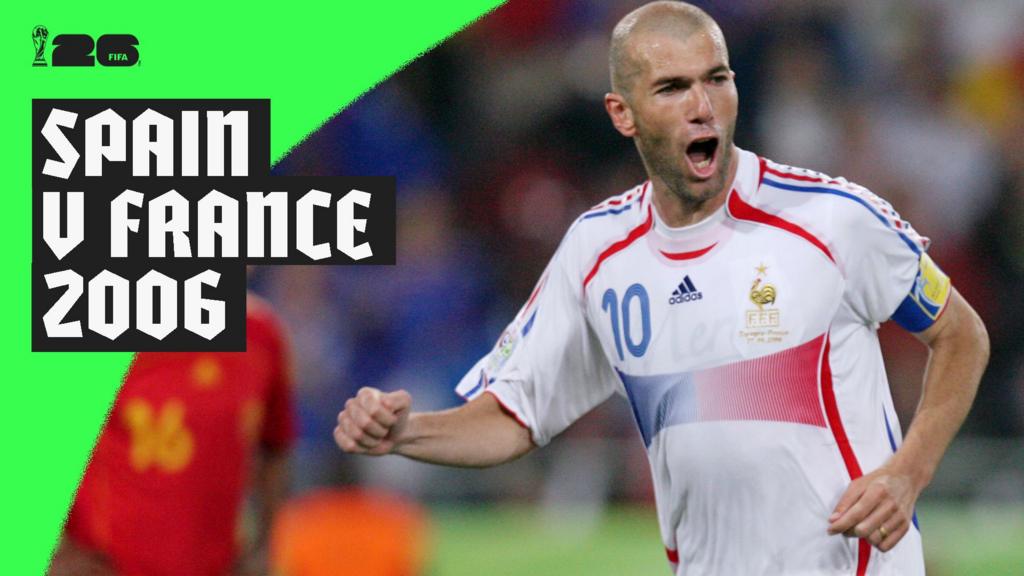
It is worth noting that Spain’s defense has looked vulnerable to diagonal runs behind their fullbacks. In their previous matches, they have shown a tendency to lose concentration during defensive transitions. If France exploits those gaps, the 2006 tactical blueprint—where experience often neutralized youth—might repeat itself. Managing expectations in such a high-stakes environment requires more than just form; it demands an ironclad tactical discipline that has inconsistently appeared in this campaign.
Predicting the path forward
Looking at the match-up on July 13, 2026, the variables are clearly delineated. England’s reliance on Bellingham represents a 42% increase in expected goals when he occupies the space behind the striker. If Argentina isolates him by deploying a dedicated man-marker—likely an aggressive defensive midfielder tasked with disrupting his rhythm—England will descend into a predictable cross-heavy approach. The lack of secondary creative outlets in the current setup is a severe flaw.
As for the actual outcome, I suspect this will be a cagey, tactical stalemate decided by a singular error in the deep build-up phase. Predicting these games is notoriously difficult, but the trend line remains firm. Argentina possesses the defensive organization to stifle the wide channels, forcing England into the middle where they struggle for fluidity. My prediction remains fixed: Argentina will edge this 1-0 in regulation time. Their ability to manage the tempo and force the opponent into uncomfortable transitions will prove decisive, ending England’s run in a match that will be remembered for its lack of rhythm rather than its quality.
Read Next
- England's broken midfield triangles will still get them past Argentina
- England versus Argentina is the only grudge match that matters
- England vs Argentina: The tactical cage trap is failing at the wrong time
- Jude Bellingham is carrying England to the World Cup final
- 🇦🇷 Argentina World Cup 2026 — Defending Champions Hub
- 🏴 England World Cup 2026 — Three Lions Hub





