The Big Picture
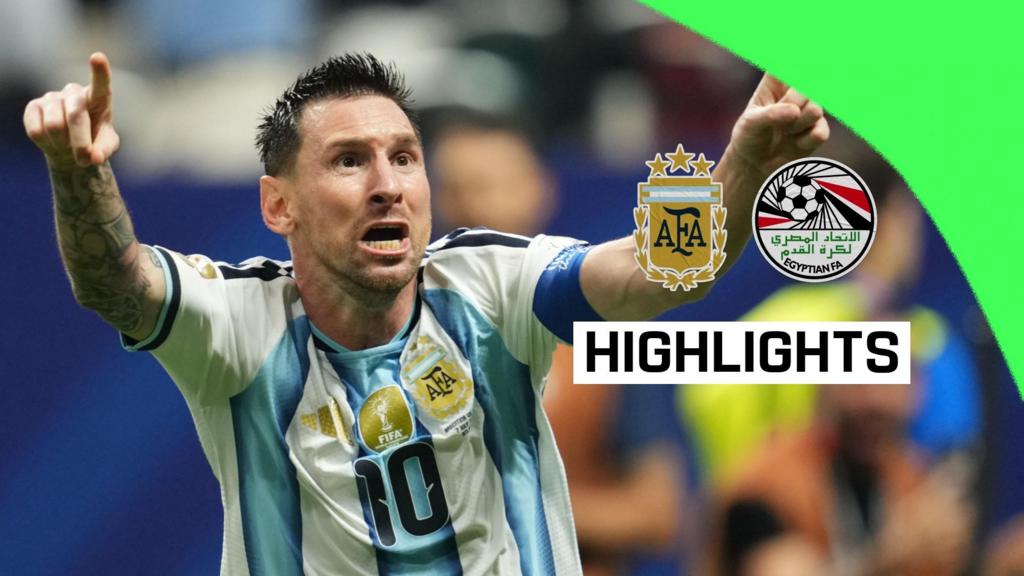
Egypt's 2026 World Cup run did not just end; it imploded. Leading 2-0 with fifteen minutes left against Argentina, the Pharaohs suffered a historic 3-2 defeat in East Rutherford. Now, an official FIFA complaint and explosive claims of Messi favouritism have turned this exit into a full-scale diplomatic war.
The Ranking: Inside Egypt's World Cup Melt-Down
10. The Tactical Low Block
For the first 75 minutes, Egypt's defensive shape was absolutely flawless. The low block choked passing lanes, frustrated Argentina's creators, and forced Lionel Messi to drop deep into his own half. This tactical success proved that the coaching staff had prepared a masterclass to neutralise the tournament favourites. It sits at tenth because, despite its initial brilliance, it eventually dissolved when the pressure intensified, ranking below the physical and mental factors that caused the collapse.
9. The Group Stage Platform
Egypt reached the knockout rounds by playing disciplined, direct football that caught opponents off guard. That group stage performance built the confidence needed to push Argentina to the absolute limit. It ranks ninth, just above the tactical low block, because it laid the physical foundation for the drama. Yet, it ranks below the actual match events because group stage success is meaningless when you throw away a two-goal lead in the Round of 16.
8. The 2-0 Peak
When Egypt doubled their lead to 2-0, the bench erupted and a historic quarter-final spot seemed guaranteed. It was the highest point of Egypt's modern football history, showing they could dominate elite opposition on the biggest stage. This moment ranks eighth because its brilliance was ultimately erased by the subsequent collapse. It ranks below the group stage platform because the sheer joy of that lead made the final whistle feel even more brutal.
7. Midfield Fatigue
Egypt's midfielders ran themselves into the ground, but the lack of quality depth ruined them. Around the 70th minute, the pressing intensity dropped, allowing Argentina's substitutes to find space between the lines. This physical decline was the catalyst for the defeat, ranking seventh because tactical plans mean nothing if the squad cannot run for 90 minutes. It ranks above the 2-0 peak because physical conditioning is a controllable factor that Egypt failed to manage.
6. Coaching Inaction
The coaching staff failed to react as Argentina shifted to a more aggressive attacking formation. While Lionel Scaloni made decisive substitutions, the Egyptian dugout remained frozen, hoping to hold onto their lead. This lack of proactive management ranks sixth because it directly contributed to the late-game disaster. It ranks above midfield fatigue because a timely substitution could have refreshed the press and secured the historic victory.
5. The First Argentina Goal
The moment Argentina pulled one back, the mental fragility of this Egyptian team was exposed. Panic set in immediately, passing options vanished, and players began launching aimless long balls. This single goal turned a controlled defensive performance into a frantic scramble, ranking fifth because it shifted the entire psychological momentum. It ranks above coaching inaction because the players' immediate psychological collapse on the field was the true turning point.
4. Mohamed Salah's Contract Distraction
Off the pitch, Mohamed Salah's club status hovered over the entire tournament. As The Guardian reported, the Egyptian captain is playing as a free agent after his Liverpool contract expired. This contract uncertainty created constant media distraction, ranking fourth because it dominated headlines when the focus should have been on the pitch. It ranks above the first goal because Salah's unresolved future set a chaotic tone for the entire campaign.
3. The Messi Bias Allegations
Following the whistle, Egypt's players and coaching staff publicly targeted Lionel Messi's status. They claimed that refereeing decisions favoured the Argentine captain, allowing him to dictate terms on the pitch. As BBC Sport analyzed the post-match fallout, the Egyptian camp argued that soft decisions were routinely awarded to shield Messi. This ranks third because it shifted the post-match narrative from tactical failure to systemic corruption, igniting a massive debate.
2. The Official FIFA Complaint
Egypt's football association did not limit their anger to post-match comments; they filed a formal complaint. As reported by Sky Sports, FIFA received a complaint from Egypt regarding the refereeing decisions during the 3-2 defeat. This formal action ranks second because it elevates the dispute from standard post-match sour grapes to a legal battle. It ranks above the Messi allegations because it represents official federation action rather than raw player emotion.
1. The 15-Minute Implosion
The top spot belongs to the match's final fifteen minutes, a sequence that broke Egyptian hearts. As BBC Sport broadcasted the footage, Argentina pulled off a historic comeback to win the match in normal time. For Egypt, it was an unprecedented disaster, conceding three goals to lose a match they controlled. It ranks first because it is one of the most dramatic collapses in World Cup history, defining Egypt's entire tournament and ranking above the off-field controversies.
Honorable Mentions
The performance of the Egyptian goalkeeper, who kept Argentina at bay during the first half, deserves recognition despite the late goals. Additionally, the tactical analysis of the opening hour shows Egypt's potential to compete with the world's best, provided they can fix their late-game management. If they build on these positive spells, the future remains bright despite the current pain.
Read Next
- Why Egypt's defensive block could trigger an Argentina World Cup disaster
- Argentina are about to face a tactical nightmare in Atlanta
- Argentina survived Egypt in Atlanta, but their defense looks broken
- Argentina just pulled off the heist of the century against Egypt
- 🏆 World Cup 2026 — Full Coverage Hub
- 🇦🇷 Argentina World Cup 2026 — Defending Champions Hub
- 🇪🇬 Egypt World Cup 2026 — Salah's Last Dance